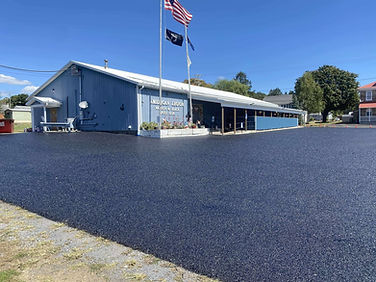
Parking Lot Sealing Blair County That Lasts Longer
A faded parking lot sends a message before a customer reaches the front door. In Blair County, asphalt takes a steady beating from summer sun, heavy rain, freeze-thaw cycles, road salt, vehicle traffic, and occasional fuel drips. Quality parking lot sealing Blair County property owners choose is not just about making pavement look black again. It is preventive maintenance that helps preserve the surface before small signs of aging turn into widespread cracking, water damage, and expensive replacement decisions.
For a business, apartment property, church, office, or private facility, the right sealing material matters as much as the application itself. A thin, ordinary surface coating may darken asphalt temporarily, but premium asphalt preservation is designed to do more. It penetrates aging pavement, helps replenish lost asphalt compounds, and leaves behind the deep black, fresh paved sheen that owners want their property to have.
Why Blair County Parking Lots Age So Quickly
Asphalt is flexible, but it is not maintenance-free. Its binder contains oils and compounds that help hold aggregate together and allow the pavement to move slightly as temperatures change. Over time, sunlight and oxygen pull those compounds from the surface. The result is familiar: pavement fades from black to gray, becomes dry and brittle, and begins to lose its ability to resist water.
Blair County winters make that process harder on neglected parking areas. Water enters small openings in the surface, freezes, expands, and widens those openings. Salt, plowing activity, and repeated thawing can add to the stress. By spring, what looked like a minor surface issue in the fall can become a growing crack pattern or loose aggregate along traffic lanes and parking spaces.
Commercial traffic adds another layer of wear. Turning tires create friction at entrances and tight corners. Vehicles can leave behind oil, fuel, and other fluids that soften or stain vulnerable areas. A sealant cannot correct deep structural failures, but applied at the right time, it can help protect sound or moderately aged asphalt from advancing faster than it should.
That timing is where property owners often lose money. Waiting until asphalt is badly broken apart limits the value of any preservation treatment. Sealing works best as part of a maintenance plan, before water has had years to work below the surface.
Parking Lot Sealing Blair County Businesses Can See
The most visible benefit of professional sealing is immediate curb appeal. A deep black lot with a fresh paved sheen makes entrances, sidewalks, buildings, and landscaping look cleaner and more cared for. For customer-facing properties, appearance is not a minor detail. It influences first impressions and signals that the property is actively maintained.
But finish alone should not drive the decision. Many common water-based sealers sit primarily on top of the pavement. They can leave a dull black appearance and, depending on conditions and product, may show blue, brown, or white hues as they weather. That may be acceptable for a short-term cosmetic update, but it is not the same as using an asphalt-based rejuvenating sealer intended to work with the asphalt itself.
A premium asphalt-based rejuvenating sealer penetrates into the surface rather than simply forming a surface-only layer. It helps restore flexibility to dry, oxidized pavement while creating protection against UV exposure, water intrusion, salt, fuel spills, and surface unraveling. The difference is practical: a property owner receives a richer, more freshly paved look while giving aging asphalt better support against the conditions that cause it to fail.
Cove Asphalt Sealing uses this higher-quality approach because parking lots need more than a quick color change. The goal is to extend useful pavement life, reduce the rate of visible deterioration, and help owners avoid letting a manageable maintenance need become a major capital expense.
What a Good Candidate Looks Like
Not every lot is ready for sealing at the same moment. Pavement in generally sound condition with fading, early oxidation, minor surface dryness, and limited cracking is often an excellent candidate for preservation. The earlier that type of asphalt is protected, the more value owners typically get from the treatment.
A lot with widespread potholes, major alligator cracking, soft areas, or drainage problems needs a more careful evaluation first. Sealer is not a substitute for correcting serious damage. Applying any product over a failed base or badly broken pavement may improve color for a while, but it will not solve the reason the damage occurred.
This is why an honest assessment matters. The right recommendation depends on the pavement's age, traffic level, condition, exposure, and maintenance history. A lightly used professional office lot will not wear like a busy retail entrance, and a shaded lot that holds moisture needs different attention than one that gets full afternoon sun.
The Best Time to Seal a Commercial Lot
The best time is usually before the lot looks urgent. Once fading and oxidation become obvious, the asphalt has already started losing protection. Scheduling maintenance while the surface is still stable gives the rejuvenating material more workable pavement to preserve.
Weather also matters. Sealing needs suitable conditions for preparation, application, and curing. A local specialist should assess the forecast, surface moisture, and temperature rather than treating every day as equal. Rushing an application in poor conditions can compromise the appearance and performance property owners expect.
For many Blair County properties, planning in advance is especially helpful before the colder months arrive. A protected surface is better prepared to face moisture, salt, and freeze-thaw stress. That does not mean every lot must be sealed on the same annual schedule. High-traffic locations may need more frequent attention than low-traffic properties, while newer asphalt should be evaluated based on its curing and current condition.
A professional inspection can help answer the practical question: seal now, monitor the surface, or address repairs first. That kind of guidance is more valuable than applying a generic interval to every parking lot.
Preparation Is Part of the Protection
A premium sealer cannot perform at its best over dirt, loose debris, standing water, or untreated surface contamination. Proper preparation gives the material a clean surface and helps create a consistent finish across the lot.
Before sealing, the pavement should be inspected for problem areas, cleared of debris, and prepared so the material can contact the asphalt properly. Areas affected by vehicle fluids deserve special attention because residue can interfere with adhesion and appearance. Edges, entrances, and high-turn zones also need a careful application approach, since those spots often show wear first.
Owners should also plan around access. Commercial parking lots need a clear schedule for vehicles, employees, tenants, and visitors while the surface is being treated and allowed to cure. A professional crew should communicate what areas will be affected and when the lot can return to normal use. The goal is a high-quality result without creating unnecessary disruption for the property.
Protecting Value Beyond This Season
Replacing a parking lot is one of the larger maintenance expenses a property owner can face. No sealing service can make asphalt last forever, and it cannot reverse serious structural deterioration. What it can do is slow the routine forces that age pavement and give an owner more control over when bigger repair decisions need to happen.
That makes sealing a value decision, not just a visual one. Restoring the black appearance is worthwhile, but the deeper benefit is helping the asphalt resist drying, cracking, moisture exposure, and surface loss for longer. When maintenance is handled early and with the right material, owners are often better positioned to protect the investment already beneath their vehicles.
For Blair County businesses and property managers, the strongest approach is straightforward: look at the pavement while it is still worth preserving, choose a penetrating asphalt-based treatment instead of settling for an ordinary surface-only coating, and work with a local specialist who understands how central Pennsylvania weather affects asphalt. A well-maintained lot will look sharper at the curb, hold up better through changing seasons, and give the property a more dependable foundation for the years ahead.
Comments