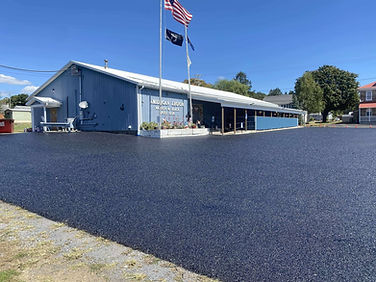
Commercial Pavement Preservation That Pays Off
A parking lot can look worn out long before it has reached the end of its service life. Fading, dry-looking asphalt, early cracking, and loose surface material are all signs that the pavement is losing the oils and flexibility it needs to stand up to Central Pennsylvania weather. Commercial pavement preservation addresses that decline before water, freeze-thaw cycles, road salt, and traffic turn manageable wear into major repair costs.
For property owners and managers, the goal is not simply to make asphalt black again. It is to protect a valuable surface, improve the appearance customers see when they arrive, and delay the expense of extensive asphalt work. The right preservation treatment can do all three when it is applied at the right time.
What Commercial Pavement Preservation Actually Does
Asphalt is not maintenance-free. Sun exposure and oxidation gradually pull essential compounds from the pavement. The surface becomes lighter, drier, and more brittle. Once that happens, it is less able to flex under vehicle traffic or resist moisture entering through small cracks and weak areas.
Commercial pavement preservation is preventive maintenance for asphalt surfaces that are still structurally sound. A premium asphalt-based rejuvenating sealer penetrates into the pavement rather than sitting only on top of it. That penetration helps replenish lost compounds in aging asphalt while protecting the surface against UV exposure, water intrusion, road salt, fuel drips, oxidation, and surface unraveling.
The visible change matters, too. A properly treated lot has a deep black appearance with a fresh paved sheen, helping the property look cared for from the curb to the entrance. That is a stronger result than a dull, flat finish that can sometimes show blue, brown, or white hues.
Preservation Works Best Before Damage Becomes Structural
Timing has a direct effect on cost. When an asphalt lot is faded but generally intact, preservation can be a smart way to slow further deterioration. When cracks have opened, edges are breaking apart, or sections have sunk or failed, surface protection alone cannot correct those underlying conditions.
This is why a careful evaluation comes before any recommendation. Pavement with isolated cracks may need those areas addressed before sealing. Pavement with widespread alligator cracking, soft spots, drainage-related damage, or major base failure may need more than preservation. Applying any sealer over serious structural problems may improve color temporarily, but it will not solve the reason the asphalt is failing.
The practical question is simple: is the pavement still a good candidate for protection? If it is, acting sooner usually gives owners more value than waiting for the lot to become brittle, porous, and expensive to repair.
The Most Common Warning Signs
Commercial property decision-makers should pay attention when asphalt begins to lose its rich black color, develop small surface cracks, or show loose aggregate in traffic areas. Water that lingers after rain can also reveal drainage concerns, while crumbling edges often signal that moisture and weather are beginning to work into the pavement.
Fuel and oil spots deserve attention as well. Vehicle fluids can soften asphalt in localized areas, particularly around parking spaces, delivery areas, and entrances. A quality preservation plan does not make a lot immune to every source of damage, but it gives the surface a better layer of defense against daily exposure.
Why Material Quality Changes the Result
Not all sealers perform the same way. Ordinary surface-only coatings may darken pavement for a time, but they are not designed to provide the same level of asphalt rejuvenation as a premium asphalt-based material. The difference is especially meaningful on older commercial pavement that has already begun to dry out from oxidation.
A penetrating rejuvenating sealer is designed to work with the asphalt surface, not merely cover it. It helps restore the look of aged pavement while helping protect it from the elements that make asphalt brittle and prone to cracking. For a business owner, that means the treatment supports both appearance and long-term maintenance planning.
There is also a finish difference. Commercial properties often need a clean, professional presentation without making the lot look artificially coated. A deep black finish with a fresh paved sheen gives entrances, parking areas, and drive lanes a more polished appearance. It sends a straightforward message: this property is maintained.
A Smarter Maintenance Plan for Commercial Asphalt
The best pavement plan is not based on a fixed calendar alone. Traffic volume, sun exposure, drainage, pavement age, and winter weather all affect how quickly a lot deteriorates. A lightly used office lot may age differently than a busy retail property or a lot with frequent delivery vehicles.
Still, preservation should be treated as an ongoing part of property maintenance, not a last-minute cosmetic project. Periodic inspections make it easier to catch small cracks, drainage problems, and surface wear before they spread. Keeping debris off the pavement and addressing spills promptly also helps reduce unnecessary stress on the asphalt.
A sound commercial maintenance approach usually includes three connected priorities: protect the surface while it is still in good condition, address minor defects before they expand, and monitor areas that receive the most traffic or weather exposure. This approach does not eliminate future maintenance, but it can make maintenance more predictable and help extend the useful life of the pavement.
What Property Managers Should Expect From the Process
Professional preservation begins with a look at the current condition of the asphalt. The surface needs to be evaluated for cracking, contamination, loose material, and areas where water collects. Preparation matters because a quality sealer needs a clean, stable surface to perform as intended.
Scheduling also matters for commercial properties. Work should be planned around business operations, customer access, and the time needed for the material to set properly. A local asphalt preservation specialist can help property managers think through practical details such as which areas should be completed first and how to minimize interruption.
Cove Asphalt Sealing works with commercial property owners throughout central Pennsylvania who want more than a basic black coating. The focus is on premium asphalt-based protection that helps aging pavement look better, resist weather-related wear, and remain serviceable longer.
Commercial Pavement Preservation in Central Pennsylvania
Central Pennsylvania asphalt takes a beating from changing temperatures, winter salt, rain, snow, and summer sun. Those conditions make preventive maintenance especially valuable for parking lots, private access lanes, and other commercial asphalt surfaces across Blair, Bedford, Centre, Cambria, Fulton, Mifflin, Somerset, Huntingdon, and Clearfield counties.
A property that looks fine in early summer can show more cracking after a winter of moisture intrusion and freeze-thaw movement. Protecting the pavement while it is still in serviceable condition gives owners a better chance to avoid watching minor surface wear become a larger repair issue.
The best next step is a no-pressure evaluation of the pavement you have now. If the surface is a good candidate for preservation, a premium penetrating treatment can help protect the investment, strengthen curb appeal, and keep your commercial property looking ready for business.
Comments