Commercial Pavement Care Guide for PA Properties
A commercial parking lot rarely fails all at once. It fades from black to gray, develops small cracks near traffic lanes, and begins holding water after a Pennsylvania winter. By the time the damage looks urgent, moisture, oxidation, salt, and vehicle traffic may already have weakened the surface. This commercial pavement care guide explains how property owners can protect asphalt earlier, preserve curb appeal, and avoid letting manageable maintenance turn into a much larger repair expense.
Start With the Condition of the Asphalt
The right maintenance plan depends on what the pavement needs now. A newer lot with a sound surface has different needs than one with widespread cracking, loose aggregate, or areas where water consistently sits. Protective treatment works best when asphalt is still structurally stable. It helps slow deterioration, but it is not a substitute for repairing failed pavement.
Walk the property regularly, especially after heavy rain, snowmelt, and winter freeze-thaw cycles. Look for fading, fine surface cracks, rough or unraveling areas, standing water, tire wear near entrances, and dark stains from fuel or oil. These signs are not merely cosmetic. Asphalt loses flexibility as it oxidizes, and a brittle surface is more likely to crack under traffic and weather stress.
Small cracks deserve attention before water gets below the surface. Once moisture enters the base, it can worsen during freeze-thaw conditions and create more extensive damage. A practical maintenance plan separates repair needs from preservation needs: repair cracks and damaged areas first, then protect the surrounding asphalt while it is still in serviceable condition.
Control Water Before It Controls the Lot
Water is one of the most expensive long-term threats to commercial pavement. Rain, melting snow, and runoff naturally find low points. If they remain on the asphalt or work into cracks, they can weaken the pavement from the surface down.
Property managers should check that drains, gutters, curbs, and nearby edges are moving water away from the lot as intended. Remove leaves, gravel, and debris that block drainage paths. Pay special attention to entrances, loading areas, and locations where snow is piled during winter. Those areas often receive more water, more salt, and more traffic than the rest of the property.
Not every puddle means the lot needs major work. A shallow puddle that disappears quickly is different from recurring standing water that remains after the rest of the surface has dried. The key is tracking patterns. If the same areas stay wet, show cracking, or soften under traffic, have a pavement professional evaluate the condition before seasonal damage compounds.
Clean Spills and Debris Promptly
Commercial lots deal with more than weather. Fuel, oil, hydraulic fluid, and other automotive spills can soften or stain asphalt if they sit too long. Sweep away gravel, trash, and organic debris as part of routine property care, since loose material can hold moisture and hide early cracking.
For spills, act promptly with an appropriate absorbent material and cleanup process. The goal is to limit how long the contaminant remains in contact with the pavement. Repeated spills in the same location may call for more frequent cleaning and inspection.
Winter maintenance also requires balance. Road salt helps manage ice, but it can contribute to surface wear and moisture exposure over time. Use material thoughtfully, remove slush when conditions allow, and avoid aggressive metal edges that can gouge the asphalt. The objective is safe access without creating avoidable surface damage.
Use the Right Protection, Not Just a Dark Coating
A dark parking lot can look maintained, but appearance alone does not tell you how well the material protects the asphalt. Ordinary water-based sealers generally sit on the surface. They may provide a temporary color change, yet their finish can be dull and sometimes show blue, brown, or white hues as it wears.
A premium asphalt-based rejuvenating sealer takes a different approach. Rather than simply coating the top, it penetrates the asphalt and helps restore compounds lost as the pavement ages. That matters because oxidation gradually dries asphalt out, leaving it more brittle and more prone to cracking and surface unraveling.
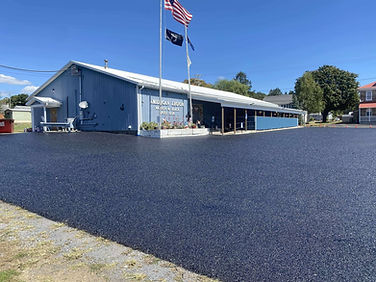
When properly applied to suitable pavement, a penetrating asphalt-based treatment helps defend against UV exposure, water intrusion, road salt, fuel spills, and continued oxidation. It also restores the deep black, fresh-paved sheen that helps a commercial property look cared for from the moment visitors pull in.
There is a trade-off worth understanding. Premium protection is not a cure for deep structural failure, severe alligator cracking, or pavement that has already broken apart. Treating those issues as if they were only surface problems can waste money. But for asphalt that is aging, faded, and still fundamentally sound, preservation is often a smart way to extend useful life and improve its appearance at the same time.
Plan Maintenance Around Use and Weather
Commercial pavement care is easier when it is scheduled rather than rushed. A retail lot with frequent daily traffic may need more frequent inspection than a small office property. A lot shaded by trees may hold moisture longer, while an open lot gets more UV exposure. Truck traffic, turning movements, drainage, and winter salt use all affect the right timing.
In central Pennsylvania, spring is a useful time to assess winter damage. Summer and early fall often provide favorable conditions for repair and protective treatment, depending on pavement condition and weather. The goal is to address cracks and surface aging before cold, wet weather has another chance to push damage further.
A good contractor should discuss surface condition, access needs, traffic timing, and the expected cure period before work begins. For active businesses, coordinating the work around lower-traffic periods can reduce disruption. The cheapest proposal is not always the best value if it relies on a material that offers only a short-lived surface change instead of meaningful asphalt preservation.
Keep a Simple Pavement Record
You do not need a complicated facility-management system to make better pavement decisions. Keep a basic record of when cracks were first noticed, where water collects, when spills occurred, and when repairs or protective treatments were completed. Photos taken from the same locations each season can reveal changes that are easy to miss day to day.
This record helps owners budget more accurately and gives a pavement specialist a clearer picture of recurring trouble spots. It can also prevent the common mistake of waiting until the entire lot looks bad before taking action. Asphalt maintenance is usually more cost-effective when problems are handled in stages.
Choose a Local Specialist Who Explains the Material
Commercial property owners should expect more than a vague promise to "seal the lot." Ask what product will be used, whether it penetrates or only forms a surface film, how cracks and damaged areas will be handled, and what preparation is included. A clear answer says a lot about the quality of the work.
Cove Asphalt Sealing provides commercial asphalt surface protection for properties across central Pennsylvania, including Blair, Bedford, Centre, Cambria, Fulton, Mifflin, Somerset, Huntingdon, and Clearfield counties. The focus is on premium asphalt-based rejuvenating protection that helps preserve sound asphalt while delivering the deep black finish business owners want their customers to see.
A parking lot is part of the customer experience, but it is also a major property asset. Start with a close inspection this season, correct the small issues you can see, and get professional guidance before faded, brittle asphalt becomes a costly replacement conversation.
Comments