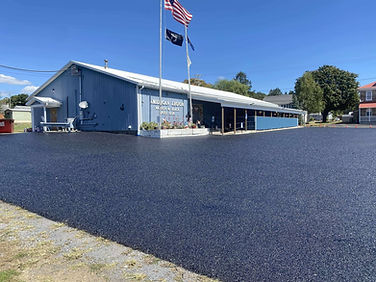
Fresh Paved Driveway Appearance That Lasts
A faded driveway can make an otherwise well-kept property look neglected. The good news is that a fresh paved driveway appearance does not always require replacement. When the asphalt is still structurally sound, the right preservation treatment can restore its deep black color while helping protect the surface from the conditions that cause early aging.
For central Pennsylvania property owners, appearance matters, but protection matters more. Sun, rain, snow, freeze-thaw cycles, road salt, and vehicle fluids all work against asphalt over time. A driveway or parking area can lose its rich black finish long before it reaches the point of needing major repair. Treating it early is often the practical way to improve curb appeal and help extend the life of the pavement underneath.
What Creates a Fresh Paved Driveway Appearance?
New asphalt has a naturally dark, even look because it still contains the oils and binding compounds that keep the surface flexible. As asphalt ages, oxidation gradually dries out those compounds. The pavement turns gray, becomes more brittle, and is more likely to develop small cracks, loose aggregate, and worn areas.
A quality asphalt preservation treatment brings back much of that visual richness. The key difference is the type of material used. Ordinary surface-only coatings can darken a driveway temporarily, but they may sit on top of the pavement rather than working into it. Some water-based sealers can also dry to a dull black finish or show blue, brown, or white hues depending on conditions and the pavement itself.
A premium asphalt-based rejuvenating sealer is designed to penetrate the surface. It helps restore lost compounds in aging asphalt while leaving a deep black finish with the sheen people associate with fresh pavement. That combination is what makes the result look better and serve a real preservation purpose.
Darker Asphalt Is Not Just About Curb Appeal
A driveway that looks freshly paved makes a strong first impression, especially at the front of a home or business. It creates a cleaner contrast around landscaping, exterior paint, walkways, and garage doors. For commercial properties, a well-maintained asphalt surface also signals that the property is cared for before visitors even reach the entrance.
Still, color alone should not be the reason to treat asphalt. Fading is usually a visible sign of oxidation. When the binder in asphalt dries out, the surface has less flexibility to handle temperature changes and everyday traffic. Small openings can allow water to work into the pavement, and water is especially hard on asphalt during Pennsylvania winters.
A penetrating treatment helps address both sides of the problem. It improves the appearance homeowners want while helping shield the surface from UV exposure, moisture, road salt, fuel drips, and ongoing oxidation. It is preventive maintenance with an immediate visual payoff.
Why Penetration Matters More Than a Surface Coating
Not all black driveway finishes perform the same way. A product can look dark on the day it is applied and still provide limited long-term value if it mainly forms a film on top of the asphalt.
Premium asphalt-based rejuvenating sealer works differently. Rather than simply covering the surface, it is intended to penetrate into weathered asphalt. This helps replenish the pavement's aged surface and creates a richer, more natural-looking black finish. The result is less like a painted layer and more like asphalt that has been properly refreshed.
That distinction matters when evaluating driveway maintenance. A low-cost coating may initially seem like the easiest choice, but the finish, durability, and protection can vary widely. Property owners who want more than a quick cosmetic change should ask what material is being used and whether it is designed to penetrate and rejuvenate the asphalt.
Cove Asphalt Sealing uses a premium asphalt-based rejuvenating sealer because homeowners and commercial property owners deserve a finish that looks better while helping protect the pavement from further deterioration. The goal is not to make aging asphalt look artificially black for a short time. It is to preserve a surface that still has useful life left.
The Best Time to Restore Your Driveway's Appearance
The ideal time to treat asphalt is before damage becomes extensive. A driveway does not need to be completely gray or full of cracks before it receives attention. In fact, early maintenance is usually more cost-effective because it helps slow the wear that leads to larger repairs later.
Watch for a faded gray color, a dry or rough texture, minor surface unraveling, and small cracks beginning to appear. These are common signs that the pavement is losing protection. Addressing them promptly can help keep water and weather from accelerating the decline.
Timing also depends on the condition of the driveway. Minor cracks may need to be prepared or repaired before treatment. The surface should be clean and dry enough for the material to perform properly. An experienced asphalt preservation specialist will assess the condition of the pavement instead of treating every driveway as though it needs the same approach.
When Sealcoating Is Not the Right Answer
A rejuvenating treatment is a strong maintenance option, not a substitute for structural repair. If a driveway has deep alligator cracking, major depressions, soft areas, widespread breakup, or drainage problems that are damaging the base, a surface treatment alone will not correct those underlying issues.
That is why an honest assessment matters. Good pavement maintenance starts with identifying whether the asphalt can still be preserved. When it can, treatment helps protect the investment. When the damage is beyond the surface, property owners should understand that before spending money on a cosmetic application.
Preparation Is Part of the Finished Look
The rich black finish gets attention, but the preparation work behind it affects the final result. Loose debris, dirt, vegetation, and oily spots can interfere with adhesion and penetration. Edges, cracks, and worn areas also need to be evaluated so the surface is ready for treatment.
Professional application produces a more consistent appearance across the driveway or parking area. It also helps avoid thin spots, uneven color, and messy edges that can take away from the clean look a property owner expects. The best result is a surface that looks refreshed from the curb and remains protected after the initial sheen settles in.
Freshly treated asphalt should also be given appropriate time to cure before regular vehicle traffic returns. Weather, temperature, shade, and the condition of the existing pavement can all affect drying and curing time. A local professional can provide clear guidance based on the day of service rather than offering a one-size-fits-all answer.
A Smart Choice for Central Pennsylvania Properties
Central Pennsylvania asphalt faces a demanding mix of weather. Summer sun can dry and oxidize the surface, while winter moisture and freeze-thaw cycles can turn small weaknesses into bigger problems. Road salt adds another layer of exposure for driveways and commercial surfaces used throughout the winter.
That makes routine asphalt preservation especially valuable for properties in Blair, Bedford, Centre, Cambria, Fulton, Mifflin, Somerset, Huntingdon, and Clearfield counties. Whether it is a residential driveway that anchors a home's curb appeal or a commercial lot that welcomes customers, a dark, protected surface can help the property look more cared for and reduce the chance of premature wear.
The right maintenance schedule depends on traffic, sun exposure, drainage, prior treatments, and the overall age of the asphalt. A lightly used driveway in a shaded location will age differently than a heavily traveled commercial surface exposed to full sun and winter traffic. The practical question is not whether every surface needs treatment on the same calendar date. It is whether the asphalt is beginning to show signs that preservation would provide value.
Keep the New-Looking Finish Working for You
Once asphalt has been treated, simple habits can help protect the investment. Keep drainage paths clear so water does not sit on the pavement. Remove fuel or oil spills as soon as practical. Avoid allowing heavy vehicles to sit in the same place for extended periods, particularly during hot weather when asphalt can be softer.
Most importantly, do not wait for a once-dark driveway to become brittle, gray, and cracked before considering maintenance. A fresh paved look is appealing, but the real value comes from giving good asphalt the protection it needs while it can still be preserved. A local, no-pressure evaluation can help you decide whether your surface is ready for rejuvenation or needs a different repair plan first.
Comments