Parking Lot Maintenance Checklist for PA
A parking lot rarely fails all at once. It usually starts with a faded traffic lane, a small crack near a catch basin, or a puddle that remains after a central Pennsylvania rainstorm. A consistent parking lot maintenance checklist helps property owners catch those early warnings while repairs are still manageable. The goal is not just a cleaner-looking lot. It is keeping water, salt, sunlight, and vehicle traffic from turning minor surface wear into costly pavement damage.
For commercial properties, the condition of the lot affects curb appeal before a visitor reaches the entrance. For multi-unit properties, offices, retail locations, and other businesses, it also affects how confidently tenants, employees, and customers use the property. Regular inspections give you a practical record of what is changing and where professional attention is needed.
Parking Lot Maintenance Checklist: What to Inspect
Walk the lot at least once each season and again after harsh winter weather, prolonged rain, or periods of heavy traffic. Bring a phone or notepad so you can photograph and date anything that looks different. Comparing photos over time is often more useful than relying on memory.
Your inspection should cover these key areas:
Cracks and open seams: Look for thin surface cracks, widening cracks, and breaks along pavement edges. Water entering even small openings can weaken the base below the asphalt, especially through repeated freeze-thaw cycles.
Potholes and soft areas: Note depressions, loose asphalt, crumbling edges, or sections that flex under traffic. These conditions usually need repair before sealing or rejuvenation is considered.
Drainage and standing water: Watch where water collects after rain. Puddles that linger can accelerate deterioration because asphalt is not meant to stay saturated.
Fading and oxidation: Healthy asphalt has flexibility because of its natural binding compounds. As sun, weather, and age pull those compounds from the surface, pavement becomes gray, dry, and more brittle.
Fuel and oil spots: Vehicle fluids can soften and break down asphalt in localized areas. Mark the location so it can be properly cleaned and evaluated.
Edges, curbs, and transitions: Check where asphalt meets curbs, sidewalks, loading areas, utility covers, and building entrances. These transition points often develop cracks first.
A useful rule is simple: if a problem is growing, holding water, or shedding material, it should move from your observation list to your repair plan.
Start With Water Management
Water is one of the most expensive threats to a parking lot because it does not stay on the surface. Once it enters cracks or unprotected, oxidized asphalt, it can work down toward the pavement base. In Pennsylvania, freezing temperatures can make that cycle worse as trapped water expands and pushes pavement apart.
During each inspection, look beyond the asphalt itself. Clear leaves, gravel, trash, and sediment from drains and low spots so water has a path off the lot. Check for clogged drainage areas after storms. If water consistently pools in the same location, do not assume it is only a cleaning issue. Persistent ponding can point to a grading, drainage, or pavement condition that deserves a closer professional evaluation.
This is also why crack repair matters before surface protection. Applying a quality asphalt treatment over active, open cracks without addressing them first does not stop water from entering below the surface.
Repair Damage Before It Spreads
Not every crack calls for the same response. Fine, early cracks may be manageable with timely maintenance, while wider cracks, broken areas, and potholes require more direct repair. The right approach depends on the condition of the asphalt beneath the surface, not just how the lot looks from a distance.
Avoid waiting until a pothole becomes large enough to disrupt traffic. By that stage, the damaged area may involve more than the surface layer. Early repairs typically preserve more of the existing pavement and help create a sound surface for future protection.
Keep in mind that sealing is preservation, not a substitute for structural repair. A professional should assess areas that are severely alligatored, deeply depressed, soft, or breaking apart. Treating those conditions as cosmetic issues can lead to disappointing results and more repair work later.
Protect Asphalt Before It Turns Gray and Brittle
Once needed repairs are complete, surface protection becomes a major part of long-term parking lot care. Asphalt naturally oxidizes over time. UV exposure, rain, road salt, fuel drips, and temperature swings all contribute to fading and loss of flexibility.
This is where the material choice matters. Many standard water-based sealers sit mainly on the surface and can leave a dull black appearance, sometimes with blue, brown, or white hues as they weather. They may improve color temporarily, but they are not the same as a premium asphalt-based rejuvenating sealer designed to penetrate the pavement.
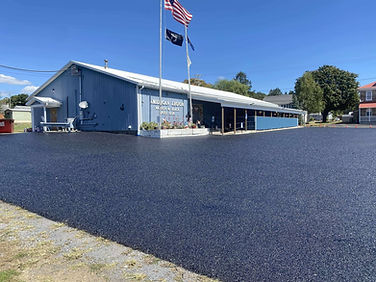
A high-quality asphalt-based rejuvenating sealer helps restore lost compounds in aging asphalt while protecting the surface from weather exposure and water intrusion. The result is more than a dark coating. Properly prepared asphalt receives a deeper black finish with a fresh paved sheen, along with meaningful protection for pavement that is still in maintainable condition.
Timing depends on pavement age, traffic, drainage, and exposure. A lot with constant sun, heavy vehicle use, or winter salt exposure may need attention sooner than a sheltered, lightly used lot. The best time to protect asphalt is generally before it becomes severely dry, cracked, and brittle.
Build Seasonal Checks Into Your Maintenance Plan
A parking lot maintenance plan works best when it follows the weather. Spring is the time to assess winter damage, clear drainage areas, and identify cracks that opened during freeze-thaw cycles. Summer provides favorable conditions for many asphalt maintenance projects and makes fading or oxidized areas easy to see.
In fall, remove debris before it blocks drains and holds moisture against the pavement. This is also a smart time to address cracks before snow, ice, and road salt arrive. During winter, focus on careful snow and ice management. Avoid allowing snow piles to block drainage routes, and inspect the lot again once the thaw reveals what happened below the snow cover.
Documenting each seasonal inspection makes budgeting easier. Instead of reacting to emergencies, you can prioritize repairs, schedule protection at the right time, and plan around business operations.
Keep the Surface Clean and the Edges Protected
Routine cleaning is not cosmetic busywork. Sand, leaves, salt residue, and standing debris hold moisture against asphalt and can conceal early damage. Sweep high-traffic areas and remove debris from pavement edges, drains, and low points. Address fluid spills as soon as practical, especially in parking spaces or drive lanes where leaks repeatedly occur.
Pay close attention to the perimeter of the lot. Asphalt edges without support can crack and unravel under vehicle weight, particularly where drivers cut corners or park too close to the edge. Keeping vehicles off weak edges and monitoring areas near landscaping or gravel helps reduce unnecessary breakage.
Know When to Call an Asphalt Specialist
A property manager can spot changes, but a trained asphalt maintenance professional can help distinguish surface aging from deeper pavement trouble. Call for an evaluation when cracks are widening, water remains after a normal rainfall, potholes return, edges are breaking apart, or the lot has lost its dark, flexible appearance.
For property owners across Blair, Bedford, Centre, Cambria, Fulton, Mifflin, Somerset, Huntingdon, and Clearfield counties, Cove Asphalt Sealing provides a practical preservation-focused option for asphalt that is ready for protection. The company uses premium asphalt-based rejuvenating sealer rather than treating every lot with an ordinary surface-only coating.
A well-maintained parking lot does not need to look brand new every day. It does need regular attention before small openings become water problems, faded asphalt becomes brittle, and preventive maintenance becomes replacement planning. Start with one walk-through, document what you find, and address the areas that will cost the most if they are left through another season.
Comments