How to Resurface Asphalt the Right Way
A driveway that looks gray, dry, and worn out does not always need to be torn up and replaced. In many cases, when people search for how to resurface asphalt, what they really need is to restore and protect aging pavement before cracks spread, water gets in, and repair costs climb.
That distinction matters. True asphalt resurfacing usually means adding a new layer of asphalt over an existing surface. It is a bigger process, a bigger expense, and not always the right first move for a residential driveway or a commercial lot that still has a sound base. If the asphalt is structurally solid but showing age, surface wear, fading, and early cracking, preservation work often makes more sense.
What resurfacing asphalt actually means
When contractors talk about resurfacing, they usually mean applying a fresh asphalt overlay on top of existing pavement. That can improve appearance and renew the driving surface, but it only works when the underlying base and lower asphalt layers are still in decent condition. If the pavement has widespread failure, deep alligator cracking, drainage issues, or soft spots, resurfacing may not last because the problems underneath keep pushing back through.
For many property owners, the real question is not simply how to resurface asphalt. It is how to make aging asphalt last longer without paying for more work than the surface actually needs.
That is where proper maintenance comes in. Crack repair, edge attention, and a premium asphalt-based rejuvenating sealer can restore flexibility, replace lost oils at the surface, and protect against oxidation, water intrusion, UV exposure, road salt, and fuel drips. On the right pavement, that can be a smarter move than jumping straight to an overlay.
Start by judging the condition, not just the color
Blacktop naturally fades as it ages. Sun, weather, traffic, and winter salt all pull valuable compounds out of the asphalt over time. The surface becomes dull, then brittle, then more likely to crack. A lot of homeowners see that faded look and assume resurfacing is the next step, but appearance alone does not tell the whole story.
If the driveway is mostly flat, has minor to moderate cracking, and does not have major base failure, it may be a strong candidate for repair and preservation instead of resurfacing. If there are potholes, widespread breakup, deep rutting, standing water, or large failed sections, resurfacing or even replacement may be the better path. It depends on the structure underneath.
This is why a professional evaluation matters. A good asphalt specialist looks beyond surface color and checks whether the pavement still has enough strength to justify preservation.
How to resurface asphalt - and when not to
If you are trying to understand the process, resurfacing asphalt generally follows a straightforward sequence. The surface is cleaned, problem areas are repaired, edges may be addressed, and a new asphalt layer is applied and compacted. Done properly, it creates a renewed wearing surface.
But there are trade-offs. Resurfacing costs more than maintenance, requires the existing pavement to be in the right condition, and does not solve major base problems. It can also be unnecessary if the asphalt is aging but not failing.
That is why many central Pennsylvania property owners are better served by a preservation approach first. When asphalt is still fundamentally sound, treating cracks early and using a penetrating asphalt-based rejuvenating sealer can help extend life, slow deterioration, and restore the rich black appearance people want. It also avoids the common issue seen with ordinary water-based products that leave a flatter, duller finish and can show blue, brown, or white hues.
The steps that matter before any surface treatment
Whether a property ends up needing resurfacing or a preservation-focused service, prep work decides a lot of the result. Dirt, loose debris, and vegetation along the edges need to be removed. Cracks should be evaluated and, when appropriate, filled so water cannot keep working down into the pavement. Oil spots and contaminated areas need special attention because asphalt treatments do not bond the same way on dirty or damaged sections.
Timing matters too. Asphalt work needs suitable weather and a dry surface. Applying any treatment at the wrong time can reduce performance and shorten the life of the job. That is one reason experienced local contractors tend to produce more consistent results than one-size-fits-all crews.
For homeowners and property managers, the key is not just getting the surface black again. It is making sure the pavement is properly prepared so the work actually protects what is underneath.
Why preservation often beats full resurfacing
A lot of pavement does not fail all at once. It dries out first. It loses flexibility. Small cracks appear. Water gets in. Freeze-thaw cycles widen the damage. Then the surface starts unraveling and the repair bill gets a lot bigger.
Preservation interrupts that cycle earlier. A premium asphalt-based rejuvenating sealer does more than sit on top. It penetrates the asphalt surface, helps restore lost compounds, and adds meaningful protection against the conditions that wear pavement down in Pennsylvania. That makes a practical difference on driveways and parking areas exposed to sun, rain, snow, salt, and daily use.
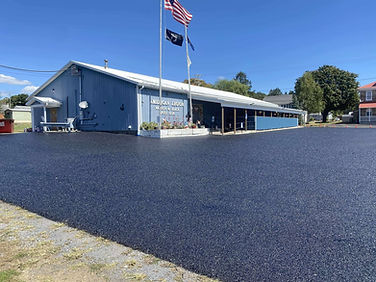
It also makes a visual difference. Property owners want protection, but they also want the surface to look cared for. A deep black finish with a fresh paved sheen gives asphalt a noticeably better appearance than a basic coating that looks flat or washed out a short time later.
When asphalt resurfacing is the right call
There are situations where resurfacing is the right answer. If the top layer is badly worn but the lower structure remains stable, an overlay can renew the surface and provide more years of use. This is more common when the pavement has moved beyond simple maintenance but has not reached the point of complete reconstruction.
Still, resurfacing should not be treated as routine. It makes sense only when the pavement condition supports it. If the base is compromised, resurfacing can cover problems for a while without truly fixing them. If the asphalt is only showing age and oxidation, resurfacing may be more than the property needs.
That middle ground is where honest guidance matters. A trustworthy contractor should tell you when preservation is enough and when it is not.
What central Pennsylvania weather does to asphalt
In this part of the state, asphalt takes a beating. Cold winters, freeze-thaw cycles, road salt, summer heat, UV exposure, and regular moisture all work against it. That is why waiting until major damage appears is usually the expensive route.
For properties in Blair County, Bedford County, and Centre County, regular asphalt maintenance is often the difference between manageable upkeep and premature replacement. Local conditions make preventive work especially valuable because once water gets into cracks and temperatures swing, deterioration tends to speed up.
That is also why local property owners often look for a specialist who understands regional wear patterns instead of applying the same basic approach everywhere.
Choosing the right contractor for asphalt restoration
If you are comparing options, ask simple questions. Are they evaluating the condition of the asphalt before recommending a service? Do they explain the difference between resurfacing and preservation? Are they using a premium asphalt-based material designed to penetrate and rejuvenate, or a standard surface-only product?
Those details affect both the finish and the long-term value. A cheaper coating can make pavement look darker for a while, but appearance and protection are not the same thing. Better materials and better prep usually mean better performance.
For homeowners and businesses across central Pennsylvania, that often means working with a company focused on asphalt preservation rather than treating every aging surface as a quick spray-and-go job. Cove Asphalt Sealing serves residential and commercial customers throughout Blair County, Bedford County, and Centre County with a premium approach built around longer pavement life, stronger protection, and a better-looking finish.
If your asphalt is fading, drying out, or starting to crack, the next step is not always a new layer of asphalt. Sometimes the smarter move is to protect what you already have while it is still worth saving. The earlier you address aging pavement, the more options you usually have.
Comments