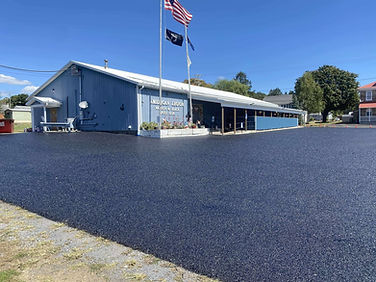
Driveway Sealing Process That Protects Asphalt
A faded driveway usually tells the story before cracks get serious. The rich black color turns gray, the surface dries out, and small flaws start showing up after winters, rain, sun, and road salt take their toll. That is why the driveway sealing process matters. Done correctly, it is not just about making asphalt look darker again. It is about helping protect the pavement from the damage that slowly shortens its life.
For homeowners and property owners in central Pennsylvania, that difference matters. Asphalt deals with freeze-thaw cycles, moisture, UV exposure, and traffic stress year after year. If sealing is treated like a quick cosmetic coating, the results may look decent at first but fall short where it counts most - long-term protection. A better approach uses a premium asphalt-based rejuvenating sealer that penetrates the surface, helps restore lost compounds in aging asphalt, and leaves behind a deeper black finish with a fresh paved sheen.
What the driveway sealing process should actually do
A lot of people think sealing is simple. Put black material on the driveway, let it dry, and call it done. In reality, the best results come from matching the material and the preparation to the condition of the asphalt.
The real goal is preservation. Asphalt naturally oxidizes as it ages. It loses flexibility, becomes more brittle, and is more likely to crack and allow water intrusion. Once water gets in and temperatures swing, deterioration tends to move faster. A quality sealing process helps slow that cycle while also improving appearance.
This is one of the biggest differences between ordinary surface-only products and a premium asphalt-based rejuvenating sealer. A basic water-based coating mostly sits on top and often dries to a flatter, duller black. In some cases, it can even leave off-color undertones. A penetrating asphalt-based product is designed to do more than cover the surface. It conditions and protects the pavement while delivering a richer finish that looks closer to freshly paved asphalt.
Step 1: Evaluating the asphalt before sealing
A proper driveway sealing process starts with the surface itself. Not every driveway is ready to be sealed on the same timeline, and not every aging driveway needs the same level of prep.
The first question is condition. If the asphalt is structurally sound and mainly showing signs of oxidation, fading, light surface wear, or minor cracking, sealing can be a smart preventive step. If there are major failures, widespread breakup, or severe damage, sealing alone is not the answer. That is where experience matters. A specialist should be honest about whether the surface is a good candidate for preservation work.
Timing also matters. New asphalt usually needs time to cure before being sealed. Older asphalt, on the other hand, often benefits from treatment before cracking and water damage become more advanced. There is a sweet spot where preservation gives the best value. Waiting too long often means more repairs and a shorter return on the service.
Step 2: Cleaning and surface preparation
Preparation is where many sealing jobs are won or lost. If dirt, loose debris, dust, vegetation, or surface contaminants are left in place, the sealer cannot bond and perform the way it should.
A professional surface prep process typically includes removing loose material, cleaning the pavement thoroughly, and making sure the driveway is dry enough for application. Oil spots and fuel drips matter too, because petroleum contamination can interfere with the sealer and signal areas where the asphalt has been under extra stress.
This stage may not be the part homeowners notice first, but it directly affects durability and appearance. A clean, properly prepared surface gives the sealer a far better chance to penetrate and protect consistently across the driveway.
Step 3: Treating cracks and problem areas
Cracks should never be ignored just because the driveway is being sealed. Sealer is not a substitute for crack treatment. If visible cracks are left open, water can still work its way into the pavement system and continue causing damage below the surface.
The right approach depends on the size and severity of the cracking. Minor cracks may need routine crack filling as part of the preparation process. Larger or more active cracks may need more attention. The point is simple - sealing works best when the surface has already been addressed where water intrusion is most likely.
This is another area where one-size-fits-all service falls short. A driveway with a few early cracks is different from one with broader aging and weather stress. The process should reflect that, not rush past it.
Step 4: Applying the sealer the right way
Once the surface is prepared and any necessary crack work is handled, the sealer can be applied. This is the part most people picture, but the material being used matters just as much as the application itself.
A premium asphalt-based rejuvenating sealer is designed to penetrate the asphalt rather than simply sit on top like paint. That penetrating action helps replenish some of what aging asphalt has lost over time while adding a protective barrier against oxidation, UV exposure, moisture, road salt, fuel drips, and surface unraveling.
That difference shows up both in performance and appearance. The finish is typically a deeper, richer black with a fresh paved sheen, not the flatter look often associated with ordinary water-based products. For homeowners, that means better curb appeal. For commercial properties, it means a surface that presents well while also supporting a longer-term maintenance strategy.
Application conditions matter too. Temperature, surface dryness, weather outlook, and cure time all affect the final result. If the material is applied in poor conditions or rushed before the pavement is ready, the quality of the job can suffer. Good sealing is part material, part timing, and part workmanship.
Why the driveway sealing process is not just cosmetic
The visual improvement gets attention first, and that is understandable. A freshly sealed asphalt driveway can make an entire property look cleaner and better maintained. But the real value is what happens after the finish cures.
Protection is the point. Asphalt is constantly exposed to forces that dry it out and weaken it. Sunlight oxidizes it. Water gets into small openings. Winter conditions expand minor flaws. Salt and vehicle fluids add more stress. A quality sealing process helps reduce how quickly that damage builds.
That does not mean sealing makes asphalt indestructible. It does mean regular maintenance can help delay larger repair costs and extend the useful life of the surface. For many property owners, that is the practical reason to stay ahead of deterioration instead of reacting once the driveway is already in rough shape.
When homeowners should schedule sealing
There is no single calendar date that works for every property. The right timing depends on the age of the driveway, how much sun and traffic it gets, existing wear, and how well it has been maintained.
In central Pennsylvania, weather exposure makes routine evaluation especially important. A driveway that still looks mostly intact can already be drying out and losing flexibility. Gray color, light raveling, early cracking, and a rougher surface texture are often signs that it is time to think about preservation.
For homeowners in areas throughout Blair County, Bedford County, and Centre County, local weather patterns and winter conditions can be hard on asphalt surfaces. That is one reason working with a local specialist matters. Someone familiar with the region can better judge when a driveway is ready for sealing and what type of protection makes sense for the condition of the pavement.
Choosing a better process over a cheaper one
Not all sealing jobs are equal, even when they look similar on day one. A lower-grade product may seem fine at first, but appearance alone does not tell you how well the asphalt is being protected.
The better question is what the material is doing for the pavement. Is it simply coating the surface, or is it helping rejuvenate aging asphalt while defending it against the conditions that cause breakdown? Is the finish going to look rich and clean, or flat and temporary? Is the job being treated like real pavement preservation, or just a fast pass to darken the driveway?
That is where a premium process stands apart. It is built around longer-term results, stronger protection, and a noticeably better finish. For property owners who want to protect their investment instead of repeating a short-lived cosmetic fix, that difference is worth paying attention to.
If your asphalt is fading, drying out, or starting to show early signs of wear, the best time to act is usually before those issues turn into larger repairs. A well-executed driveway sealing process gives asphalt a better chance to hold up, look better, and stay serviceable longer.
Comments