Asphalt Rejuvenation vs Sealcoating
If your driveway or parking lot is starting to turn gray, dry out, or show early cracking, the choice between asphalt rejuvenation vs sealcoating matters more than most property owners realize. These two services are often talked about like they do the same job, but they do not. One is mainly a surface coating. The other is designed to penetrate the asphalt, restore lost oils, and help slow the aging process.
That difference affects how your pavement looks, how it holds up through central Pennsylvania weather, and how long you can realistically delay major repairs. If you are trying to protect asphalt before it becomes brittle and expensive to fix, this is where the details matter.
Asphalt rejuvenation vs sealcoating: what is the actual difference?
Traditional sealcoating is generally a surface treatment. It sits on top of the pavement and creates a darkened layer that can improve appearance for a time. In many cases, that coating is mostly cosmetic with limited penetration into the asphalt itself.
Asphalt rejuvenation is different in purpose and performance. A premium asphalt-based rejuvenating sealer is designed to soak into the pavement surface, replenish some of the compounds asphalt loses as it ages, and provide protection from oxidation, water intrusion, UV exposure, road salt, fuel drips, and surface wear. Instead of just covering the problem, it addresses the drying and hardening that happen as asphalt gets older.
For homeowners, the easiest way to think about it is this: ordinary sealcoating is more like painting the surface, while rejuvenation is aimed at conditioning and protecting the pavement itself.
Why asphalt dries out in the first place
Asphalt does not stay flexible forever. Sun exposure, oxygen, rain, freeze-thaw cycles, and winter salt gradually pull out the lighter oils that help keep pavement resilient. Over time, that leaves the surface faded, dry, and more likely to crack.
That is why an older driveway often changes from a rich black finish to a dull gray. It is not just losing color. It is losing some of the qualities that help it resist damage.
This is also why timing matters. If you maintain asphalt while it is still structurally sound, you have a much better chance of extending its life. If you wait until cracks multiply, edges unravel, and water is already getting deeper into the surface, maintenance becomes less effective and repairs become more expensive.
When sealcoating makes sense and where it falls short
There is a reason sealcoating became common. It can darken the surface, provide a basic barrier, and offer a lower-cost option upfront. For some property owners, that is enough to make it appealing.
The trade-off is that not all sealers protect the same way. Standard water-based products often create more of a film on top of the pavement than a treatment within it. They may leave a flatter, duller black appearance and can sometimes show blue, brown, or whitish tones as they weather. If your main goal is simply a temporary cosmetic improvement, that may seem acceptable.
But if your goal is longer pavement life, reduced oxidation, and better preservation of the asphalt itself, surface-only coating has limits. It does not offer the same depth of restoration as a penetrating asphalt-based rejuvenating sealer.
Why many property owners choose rejuvenation instead
When asphalt is still in maintainable condition, rejuvenation is often the smarter long-term move. Rather than just changing the color, it helps feed the pavement with asphalt-based material that penetrates the surface. That helps restore flexibility, reduce further drying, and strengthen resistance against the weather and traffic exposure that wear asphalt down.
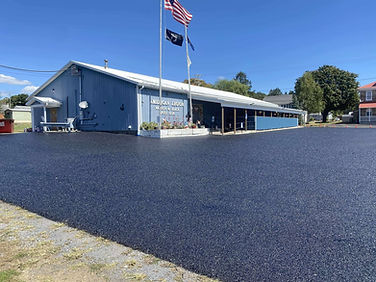
It also produces a better-looking result. A quality rejuvenating treatment gives asphalt a deep black finish with a fresh paved sheen. For homeowners, that improves curb appeal in a way that looks richer and more natural than a flat surface coating. For commercial properties, it helps create a cleaner, more cared-for appearance without looking chalky or washed out.
That visual difference matters, but the bigger reason people choose rejuvenation is value. Preserving asphalt before major deterioration sets in is far less expensive than dealing with widespread cracking or early replacement.
Asphalt rejuvenation vs sealcoating for driveways
Residential driveways are where the difference is easiest to see. A driveway takes daily exposure from sun, rain, snow, vehicle weight, and salt tracked in through winter. Once the surface starts oxidizing, small cracks can turn into larger problems faster than many homeowners expect.
If the driveway is still in decent condition and has not broken down beyond maintenance, rejuvenation offers a stronger preservation strategy. It helps protect against moisture getting into the surface, slows oxidation, and leaves the driveway with the dark, fresh-paved look many homeowners want.
Traditional sealcoating may still improve appearance for a while, but if the asphalt is already drying out, a surface film is not the same as a penetrating treatment. That is the key distinction.
For homeowners in places like Blair County, Bedford County, and Centre County, where weather swings and winter conditions can be hard on asphalt, preventive maintenance is not just about looks. It is about reducing the chance that seasonal stress turns a manageable surface into a costly project.
What about commercial parking lots?
Commercial properties face similar issues, just on a larger scale. Parking lots deal with more traffic, more turning movement, more exposure to fuel drips, and more pressure to keep the property looking professional.
In that setting, the choice between asphalt rejuvenation vs sealcoating comes down to more than appearance. A better-preserved surface can help delay deterioration, improve how the property presents to customers and tenants, and support a more responsible maintenance plan.
A premium rejuvenating sealer is especially valuable when a property owner wants both protection and presentation. The lot looks darker and cleaner, but the treatment is also working below the surface instead of acting only as a top layer.
The finish matters more than many people think
Most property owners notice the finish first. That is fair. You want the driveway or parking lot to look better after service, not just technically be protected.
This is another area where product choice matters. Lower-grade or ordinary water-based sealers can leave a dull black finish and, over time, may show uneven color tones. A premium asphalt-based rejuvenating sealer leaves a deeper black appearance with a fresh paved sheen that looks closer to new asphalt.
That is not just a cosmetic upgrade. It reflects the difference in material quality and the way the product interacts with the pavement.
It depends on the condition of the asphalt
Not every surface is a candidate for the same treatment. If asphalt is severely cracked, crumbling, or structurally failing, maintenance alone may not solve the problem. Rejuvenation is best used as a preservation service, not as a substitute for fixing pavement that has already moved too far past that stage.
But for asphalt that is aging, fading, and starting to dry out without major failure, rejuvenation can be a very effective way to extend service life and improve appearance at the same time.
That is why a straightforward evaluation matters. The right recommendation depends on the pavement's current condition, not just on what sounds cheapest or most familiar.
Choosing the better long-term value
If you are comparing prices alone, ordinary sealcoating may look attractive at first glance. But asphalt maintenance should be judged by value over time, not just the lowest short-term cost.
A treatment that penetrates, restores, and protects the surface more effectively can help you get more life out of your pavement. That means fewer problems from oxidation, less chance of early brittleness, and a better-looking surface between maintenance cycles. For many property owners, that is the better investment.
For customers across central Pennsylvania, including those looking for service in Blair County, Bedford County, or Centre County, working with a local asphalt preservation specialist matters too. Local weather patterns, winter salt exposure, and seasonal temperature swings all affect how asphalt ages and what kind of protection makes the most sense.
Cove Asphalt Sealing focuses on that higher standard of protection by using a premium asphalt-based rejuvenating sealer rather than treating all sealers as equal.
If your asphalt still has good bones but is starting to look tired, now is the time to act. Protecting it early usually costs a lot less than waiting until the cracks spread and the surface starts coming apart. A fresh black finish is nice to see when you pull in the driveway, but the real value is knowing your asphalt is getting the kind of protection that helps it last.
Comments