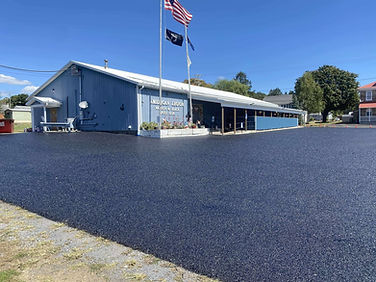
What Is Asphalt Resurfacing, Really?
A driveway can look tired long before it is truly worn out. That is where a lot of property owners get stuck. They start asking, what is asphalt resurfacing, and is it the right fix for fading, shallow cracks, and a rough-looking surface - or is there a better way to protect what they already have?
The answer depends on the condition of the pavement. Resurfacing is a repair method that adds a new layer of asphalt over an existing surface. It can improve appearance and address certain surface-level issues, but it is not the same as preserving healthy asphalt before major deterioration sets in. For many driveways and parking lots in central Pennsylvania, the better investment is often earlier maintenance that protects the surface from oxidation, water intrusion, road salt, and gradual breakdown.
What Is Asphalt Resurfacing?
Asphalt resurfacing is the process of applying a new asphalt overlay on top of existing pavement. In simple terms, the old asphalt stays in place as the base, and a fresh top layer is installed over it. This gives the surface a newer look and can smooth out minor imperfections.
Resurfacing is usually considered when asphalt has visible wear but still has a stable foundation underneath. If the base has failed, or if the pavement has widespread deep cracking, sinking, or drainage problems, resurfacing may not hold up the way owners expect. In those cases, more extensive repair or replacement may be needed.
That is why resurfacing is not a cure-all. It can make sense in the right situation, but only when the underlying pavement is still structurally sound.
How asphalt resurfacing works
The basic idea is straightforward. The existing surface is cleaned, damaged areas may be repaired, and a new layer of hot asphalt is placed over the top. The result is a smoother, darker, more uniform surface that can improve both function and curb appeal.
What matters most is preparation. If surface defects are ignored or moisture issues are still active, the new overlay can reflect those problems sooner than expected. A fresh top layer can only perform as well as the surface below it allows.
For homeowners, this often becomes a timing question. If a driveway has already moved past routine maintenance and into more advanced wear, resurfacing may be one of the options on the table. But if the asphalt is simply faded, dry, and beginning to age, preservation is usually the smarter place to start.
When resurfacing makes sense
Resurfacing tends to fit pavement that looks worn but still has good bones. The surface may have minor cracking, weathering, or a generally rough appearance, yet the underlying structure is still intact.
For example, a driveway that has lost its rich black color, shows early wear, and has some isolated surface issues may be evaluated for resurfacing if deterioration has moved beyond basic maintenance. The same can apply to commercial asphalt that sees steady traffic and has reached the point where appearance and surface condition are both slipping.
Still, resurfacing is not always the first or best answer. Many property owners assume they need a new top layer when the asphalt really needs protection, not partial replacement.
When resurfacing is not the best choice
If the asphalt is still fundamentally solid, resurfacing can be more repair than you actually need. That is especially true for driveways and lots that are dealing with oxidation, fading, and early-stage aging rather than major structural failure.
Asphalt does not deteriorate all at once. It dries out over time. Sun exposure, rain, freeze-thaw cycles, road salt, and fuel or chemical exposure slowly strip away the compounds that help keep pavement flexible. Once asphalt becomes brittle, cracks form more easily, water gets in, and damage starts to accelerate.
That stage is where preservation matters most. If you wait until the pavement looks far gone, your options get more expensive. If you protect it earlier, you can often extend its life and keep it looking much better without jumping straight to resurfacing.
Resurfacing vs. sealcoating vs. asphalt rejuvenation
This is where a lot of confusion comes from. Property owners often hear these terms used interchangeably, but they are not the same service.
Resurfacing adds a new layer of asphalt. It is a corrective step for pavement that has already moved into more visible wear.
Traditional sealcoating is usually a surface coating. It can darken the pavement temporarily, but lower-grade materials often sit on top rather than penetrating into the asphalt itself. That means the appearance may improve for a time while the deeper condition of the pavement gets less attention.
Asphalt rejuvenation is different. A premium asphalt-based rejuvenating sealer is designed to penetrate the surface, help restore lost compounds in aging asphalt, and protect against the causes of breakdown. That includes oxidation, water intrusion, UV exposure, road salt, fuel drips, and surface unraveling. It also restores a deep black finish with more of a fresh paved sheen rather than the dull, flat look commonly associated with ordinary water-based products.
For property owners who want long-term value, this distinction matters. If the asphalt still has life left in it, preserving and rejuvenating that surface can be a far better investment than waiting for conditions to worsen and then paying for resurfacing.
Why early asphalt preservation usually saves money
The most expensive asphalt is the asphalt you let deteriorate too far. Once cracking spreads, water gets below the surface, and freeze-thaw cycles start working on the base, costs go up quickly.
That is why smart pavement care starts before the surface looks beyond help. Protecting asphalt early helps slow drying, reduce brittleness, limit moisture penetration, and maintain a better-looking surface year after year. For homeowners, that often means fewer repairs and better curb appeal. For commercial properties, it means a more professional-looking lot and a lower risk of accelerated wear.
In a climate like central Pennsylvania, this is not a small detail. Seasonal swings, snow, road salt, and moisture are hard on asphalt. A preservation-focused approach is often the practical move because it addresses the conditions that cause pavement to age in the first place.
What is asphalt resurfacing compared to preservation?
If you are comparing options, the simplest way to think about it is this: resurfacing is a later-stage correction, while preservation is an earlier-stage protection strategy.
Resurfacing covers the top with new asphalt once the surface has already deteriorated. Preservation aims to help the existing asphalt last longer before that level of repair becomes necessary. One is more reactive. The other is more proactive.
That does not make resurfacing wrong. It just means timing matters. If your driveway or parking lot is still in a condition where rejuvenation and protective sealing can do the job, acting now can help delay much more expensive work later.
How to tell which option your asphalt needs
A surface-level glance only tells part of the story. Pavement that looks old is not always failing, and pavement that looks dark is not always well protected.
If your asphalt is mostly solid but faded, drying out, or starting to show minor aging, preservation is likely worth serious consideration. If the surface has deeper issues, widespread damage, or signs that the underlying structure is compromised, resurfacing may be part of the conversation.
The key is getting an honest assessment based on condition, not guesswork. A good contractor should explain what they are seeing, what stage of wear the asphalt is in, and whether protection or more involved repair makes better financial sense.
For property owners in Blair County, Bedford County, or Centre County, local conditions matter too. Weather exposure, winter treatment, and drainage patterns all affect how asphalt ages. That is one reason many local customers look for driveway sealcoating in Blair County, asphalt sealing in Bedford County, or asphalt protection in Centre County from a company that understands regional wear patterns and uses materials built for real surface protection.
The better question to ask
Sometimes the better question is not just what is asphalt resurfacing. It is whether your asphalt has reached the point where resurfacing is necessary at all.
If your driveway or lot still has a sound foundation, protecting it with a premium asphalt-based rejuvenating sealer can help preserve flexibility, slow deterioration, improve appearance, and extend service life. That approach is especially appealing for property owners who want visible results now and fewer headaches later.
Cove Asphalt Sealing works with homeowners and commercial properties across central Pennsylvania that want more than a basic surface coating. The goal is simple - help asphalt last longer, look better, and hold up better against the conditions that cause early aging.
A good asphalt surface does not stay that way by accident. The best time to protect it is usually before resurfacing becomes the next bill.
Comments