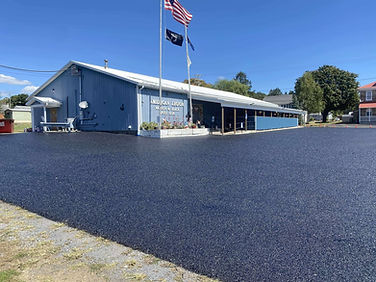
Salt Resistant Asphalt Sealer for Winter Protection
- 4 days ago
- 5 min read
A salt resistant asphalt sealer matters most when winter leaves behind more than a plowed driveway. In central Pennsylvania, road salt, deicing products, slush, and repeated freeze-thaw cycles can work together to speed up the aging of an already dry or worn asphalt surface. The right treatment helps protect the pavement before those seasonal stresses turn into cracking, raveling, and expensive repairs.
For homeowners, that means a driveway that holds its deep black, freshly paved appearance longer. For commercial properties, it means a cleaner-looking parking area with better surface protection through a demanding winter. The key is choosing more than an ordinary surface coating.
Why Winter Salt Is Hard on Asphalt
Salt does not usually cause a sound asphalt driveway to fail overnight. The real problem is how winter conditions compound existing wear. As asphalt ages, sunlight and oxygen pull away the oils and binders that give the pavement flexibility. The surface becomes lighter in color, drier, and more brittle.
Once that happens, small openings become easier for water to enter. Snowmelt and saltwater can settle into those openings, then freeze and expand when temperatures drop. The cycle repeats throughout the season, placing pressure on the pavement from within. A hairline crack can grow, loose aggregate can begin to appear, and the surface may start to unravel at the edges or in high-traffic areas.
Brine is especially worth considering. Unlike dry rock salt, liquid brine can spread across the pavement and stay in contact with the surface as traffic carries it around. That does not mean property owners should avoid safe winter deicing practices. It means the asphalt should be maintained so it is less vulnerable when those materials are necessary.
What a Salt Resistant Asphalt Sealer Should Do
The term salt resistant asphalt sealer can describe products with very different levels of protection. A quality sealer is not a force field, and no treatment can erase damage that is already deep in the pavement. It should, however, help limit the conditions that let saltwater and winter moisture do more harm.
A higher-quality asphalt-based rejuvenating sealer does this by penetrating the asphalt surface rather than simply sitting on top of it. It helps restore some of the lost compounds in aging pavement while creating added protection from water intrusion, oxidation, UV exposure, and surface wear. That matters because flexible, conditioned asphalt is better prepared to handle changing temperatures than pavement that has become dry and brittle.
The visible benefit is part of the value, too. A premium asphalt-based treatment restores a rich black color with a fresh paved sheen. That appearance is not just cosmetic. Fading is often one of the clearest signs that asphalt has oxidized and needs attention.
Ordinary water-based sealers can provide a temporary darkened surface, but they are generally surface-only coatings. Their finish can also look dull black and may show blue, brown, or white hues depending on the material and conditions. For property owners who want deeper conditioning along with a cleaner finish, an asphalt-based rejuvenating sealer is a meaningful step up.
Penetrating Protection vs. a Surface-Only Coating
The difference between penetration and coating is practical. A surface-only product is designed primarily to cover the top of the pavement. It can improve appearance for a time, but it does not necessarily replenish the surface that has lost flexibility through age and weather exposure.
A penetrating asphalt treatment is intended to work into the top layer of the asphalt. By conditioning the pavement rather than just masking it, it supports long-term preservation. This approach is particularly valuable in Pennsylvania, where a driveway may face hot summer sun, heavy rain, snow, road salt, and sudden temperature swings in the same year.
That does not mean every driveway needs the same service on the same schedule. Pavement age, drainage, traffic, shade, prior maintenance, and the amount of cracking all affect the right plan. A newer driveway may need time to cure before sealing. A severely deteriorated surface with extensive alligator cracking or structural failure may need repair beyond routine preservation. The best time to seal is before the surface reaches that point.
When to Apply Sealer for Winter Protection
For most properties, sealing is best handled during suitable dry-weather conditions, before winter weather arrives. The pavement needs to be clean and dry, and temperatures must support proper application and curing. Applying a treatment at the right time gives it an opportunity to penetrate and set before snow, salt, and standing water become regular visitors.
Waiting until winter damage is obvious can limit the benefit. If a driveway is already gray, rough, and showing open cracks, the surface has likely been exposed to oxidation and moisture for some time. Preventive sealing protects the investment while the asphalt is still in maintainable condition.
Spring can also be an appropriate time to assess a driveway or parking area. Winter often reveals weak spots, especially where water collects near low areas, garage entrances, drains, or pavement edges. Addressing those concerns early helps prepare the surface for the next season instead of allowing another year of weathering.
Maintenance Steps That Support a Salt-Resistant Finish
Sealer works best as part of a sensible maintenance routine. Keep the surface clear of leaves, dirt, and debris that can trap moisture. Watch for puddles that remain after rain, since standing water can weaken asphalt over time. If cracks begin to open, have them evaluated before water has repeated opportunities to enter them.
Fuel and oil spills should also be cleaned promptly when possible. Petroleum products can soften asphalt binders, and saltwater can then find an easier path into a weakened area. In parking lots, pay close attention to entrances, travel lanes, and areas where vehicles idle, because those locations often see more wear and chemical exposure.
During winter, use deicing materials responsibly and avoid aggressive metal shovels or blades that can scrape an already worn surface. The goal is not to eliminate winter maintenance. It is to avoid adding unnecessary surface damage while keeping the property usable.
A Better Choice for Central Pennsylvania Pavement
Central Pennsylvania asphalt has to stand up to more than one kind of weather. A driveway in Blair, Bedford, or Centre County can look fine in early fall, then face months of salt tracking, snowmelt, freezing nights, and bright winter sun. A parking surface sees the same weather with the added stress of regular vehicle traffic.
Cove Asphalt Sealing uses a premium asphalt-based rejuvenating sealer for homeowners and commercial property owners who want stronger preservation than an ordinary coating can provide. The focus is straightforward: help protect aging asphalt, improve its condition and appearance, and delay the much higher cost of premature replacement.
A professional evaluation can determine whether your pavement is a good candidate for sealing now or whether cracks and drainage concerns should be addressed first. That honest timing matters. Applying a quality treatment to asphalt that is still maintainable delivers far more value than waiting for surface deterioration to become a larger problem.
Before the next winter season puts more salt and moisture on your pavement, take a close look at its color, texture, cracks, and drainage. A driveway or parking area that receives protection at the right stage can stay stronger, look better, and serve the property longer.
Comments