Sealcoating vs Asphalt Rejuvenation
A faded driveway can fool you. From a distance, it may just look gray and tired. Up close, that same asphalt is often drying out, losing flexibility, and becoming more vulnerable to cracking, water intrusion, UV exposure, and winter salt. That is why the question of sealcoating vs asphalt rejuvenation matters so much for property owners who want to protect pavement before small issues turn into expensive repairs.
For many homeowners and commercial property managers, these two services sound similar. Both improve appearance. Both are used as preventive maintenance. Both are meant to help asphalt last longer. But they are not the same type of treatment, and the difference matters if you care about how well your pavement is actually protected.
Sealcoating vs asphalt rejuvenation: what is the real difference?
Traditional sealcoating is usually a surface coating. It sits on top of the asphalt and creates a barrier layer that can improve color and provide some short-term protection from the elements. In many cases, ordinary sealers are water-based and designed mainly to cover the surface rather than restore what aging asphalt has lost.
Asphalt rejuvenation is different in purpose and performance. A premium asphalt-based rejuvenating sealer is designed to penetrate the pavement surface, helping restore lost compounds as asphalt ages and oxidizes. Instead of acting only like a topcoat, it works into the pavement while still adding protection and delivering a darker, richer finish.
That difference is why many property owners move away from ordinary sealcoating once they understand what asphalt deterioration actually looks like. Asphalt does not fail just because the color fades. It fails because the material dries out, becomes brittle, and starts breaking down under weather, moisture, traffic, and time.
Why ordinary surface sealers often fall short
A standard surface sealer can make asphalt look darker for a while, and that visual improvement is part of why it remains common. But appearance and preservation are not always the same thing.
When a product mainly coats the top, it may not do much to address the underlying drying and oxidation happening within the pavement surface. That becomes a problem in central Pennsylvania, where asphalt takes a beating from freeze-thaw cycles, rain, snow, road salt, sunlight, and regular vehicle use. A driveway or parking lot needs more than a cosmetic cover-up if the goal is longer service life.
Another point homeowners notice is finish quality. Some ordinary water-based sealers can leave a flatter, duller black appearance, and in certain lighting conditions they may show blue, brown, or whitish hues. If you want a surface that looks closer to fresh asphalt, that result can be disappointing.
What asphalt rejuvenation does better
A premium rejuvenating sealer is built around preservation. It is meant to help replenish the pavement surface as it ages, while also defending against the conditions that cause breakdown in the first place.
That means better protection against oxidation, which is one of the biggest reasons asphalt turns gray and brittle. It also means stronger resistance to water intrusion, UV exposure, fuel drips, road salt, and surface unraveling. For a homeowner, the practical benefit is simple: fewer problems developing as quickly. For a commercial property owner, it can mean a better-looking surface that holds up more effectively under regular use.
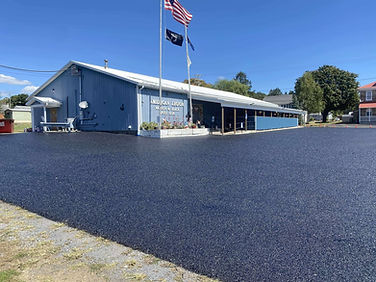
The visual result matters too. A quality asphalt-based rejuvenating sealer leaves a deep black finish with a fresh paved sheen. That is a very different impression than a coating that simply darkens the surface for a short period and then fades back unevenly.
When sealcoating still comes up in the conversation
It would be inaccurate to say every property owner asking about sealcoating is making the wrong choice. In many cases, people use the word sealcoating as a catch-all term for any asphalt protection service. They are not necessarily asking for a basic water-based coating. They are asking for a way to protect and improve their driveway or lot.
That is where the conversation needs to become more specific. The real question is not just, "Do I want my asphalt sealed?" It is, "What kind of material is going on my asphalt, and what is that material actually designed to do?"
If your goal is simply a short-term surface darkening at the lowest possible price, an ordinary coating may sound appealing. If your goal is stronger protection, better restoration, longer-term value, and a richer finish, asphalt rejuvenation is usually the better fit.
Sealcoating vs asphalt rejuvenation for driveways
Homeowners tend to notice two things first: curb appeal and cracking. A gray driveway makes the whole front of the property look older. Early cracking, on the other hand, raises the fear of much bigger repair bills later.
For residential asphalt, rejuvenation makes sense because it addresses both concerns at once. It improves appearance in a noticeable way, but it also helps preserve the driveway against the kind of deterioration that often starts quietly. Oxidation does not announce itself with one dramatic failure. It shows up as fading, dryness, stiffness, and gradual surface wear until cracks and breakdown become much more obvious.
That is why timing matters. Asphalt preservation works best before the pavement is too far gone. If a driveway is already badly broken apart, no maintenance treatment will replace major repair needs. But when the asphalt is structurally sound and beginning to age, rejuvenation can be one of the smartest ways to extend its life and keep it looking sharp.
What commercial property owners should consider
For parking areas and commercial asphalt surfaces, the decision is not just about looks. It is also about presentation, durability, and maintenance planning.
A well-protected lot gives customers, tenants, and visitors a better first impression. It also helps reduce the pace of surface deterioration caused by traffic, weather, and contamination from vehicle fluids. If a property manager chooses a cheaper surface coating that looks acceptable at first but offers less meaningful preservation, the savings can disappear quickly when cracking and wear accelerate.
That is why many businesses are better served by a premium treatment that works beyond the surface. The right material supports both appearance and asset protection, which is exactly what commercial maintenance should do.
The local factor matters in central Pennsylvania
Asphalt maintenance is never one-size-fits-all, and central Pennsylvania conditions make that especially clear. Cold winters, snow, road salt, wet weather, and summer sun create a rough cycle for both driveways and parking lots. Materials that only sit on top of the pavement may not offer the level of protection many owners assume they do.
Property owners in areas such as Blair County, Bedford County, and Centre County often benefit most from a preservation-focused approach because weather exposure is so consistent year after year. If you are comparing options for a home or commercial property in those areas, local experience matters just as much as the material itself.
How to choose the right option for your asphalt
Start by looking past the label and focusing on the product type. Ask whether the material is a basic surface coating or an asphalt-based rejuvenating sealer designed to penetrate and restore. Then consider the condition of your pavement. If the asphalt is still in maintainable shape, a premium rejuvenation treatment is typically a stronger long-term decision than an ordinary coating.
It also helps to think about what you want the finished result to look like. Many owners want more than a temporary darkening effect. They want the deep black appearance that gives asphalt a clean, freshly paved look. That finish is part of the value, especially for homeowners who care about curb appeal and businesses that want their property to look professionally maintained.
Cove Asphalt Sealing focuses on that higher standard of asphalt preservation rather than ordinary surface-only coating. For property owners across central Pennsylvania, including Blair County, Bedford County, and Centre County, the difference is not just what the pavement looks like after service. It is how well it is protected moving forward.
If your asphalt is fading, drying out, or starting to show its age, this is usually the right time to act. The best maintenance results come before damage gets expensive, when the surface can still be preserved, protected, and brought back to a richer black finish that looks as good as it performs.
Comments