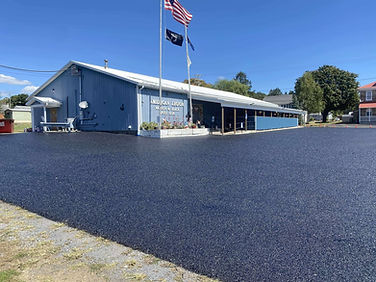
7 Asphalt Sealing Benefits That Matter
A driveway usually does not fail all at once. First it loses that rich black color. Then the surface turns dry and gray. Small cracks show up, water starts getting in, and before long the pavement looks older than it should. That is why asphalt sealing benefits matter so much for homeowners and property owners who want to protect their investment before damage gets expensive.
In central Pennsylvania, asphalt takes a beating. Sun, rain, freeze-thaw cycles, road salt, fuel drips, and daily traffic all work against it. Sealing is not just about making pavement look better for a season. Done with the right material, it helps preserve the asphalt itself, slow down deterioration, and keep a driveway or parking lot in better condition longer.
Why asphalt sealing benefits go beyond appearance
A lot of people think sealing is mainly cosmetic. The fresh black finish is part of the appeal, and it absolutely improves curb appeal. But the bigger value is protection.
Asphalt contains oils and binding compounds that help keep it flexible and durable. Over time, oxidation and weather exposure dry those compounds out. When that happens, the surface becomes more brittle. Brittle asphalt is more likely to crack, unravel, and wear down faster than it should.
This is where the type of sealer matters. Ordinary surface coatings can darken pavement for a while, but not all sealers perform the same way. A premium asphalt-based rejuvenating sealer is designed to penetrate the surface and help restore lost compounds in aging asphalt while also adding a protective barrier. That difference matters if your goal is longer pavement life rather than a quick cosmetic change.
1. Longer asphalt life
One of the biggest asphalt sealing benefits is extending the life of the pavement. Replacement is expensive. Repairs add up too. Preserving a driveway or lot before serious deterioration starts is usually the smarter investment.
Sealing helps slow the aging process by protecting asphalt from the things that break it down over time. UV exposure dries it out. Water seeps into weak spots. Winter weather makes those weak spots worse. When the surface is protected and nourished with a better-quality asphalt-based treatment, the pavement can stay serviceable longer.
That does not mean sealing can fix severely failed asphalt. If a surface is already crumbling, badly cracked, or structurally compromised, sealing is not a substitute for major repair. But for asphalt that is still in maintainable condition, preservation can add meaningful life and delay bigger costs.
2. Fewer cracks from oxidation and weather
Cracking rarely comes out of nowhere. In many cases, it starts with oxidation. As asphalt loses flexibility, it becomes stiffer and more vulnerable to surface stress. Add central Pennsylvania winters to the mix, and those small weaknesses can open up quickly.
Sealing helps reduce that exposure. It creates a layer of defense against sunlight, moisture, and seasonal wear while helping support the condition of the asphalt underneath. A rejuvenating sealer is especially valuable here because it does more than sit on top. It works into the surface rather than acting like a thin skin that only changes the color.
For homeowners, that can mean fewer early cracks in the driveway. For commercial properties, it can mean better-looking pavement and less surface breakdown from regular traffic. It depends on the age and condition of the asphalt, but preventive sealing is almost always more affordable than waiting for deterioration to spread.
3. Better protection from water intrusion
Water is one of asphalt's biggest enemies. Once moisture gets into cracks and surface voids, it can weaken the pavement from within. In freeze-thaw conditions, that problem gets worse fast. Water enters, freezes, expands, and puts more pressure on the surrounding asphalt.
That cycle is common across areas like Blair County, Bedford County, and Centre County, where pavement has to stand up to changing temperatures and winter weather. Sealing helps by reducing water penetration and giving the surface a stronger line of defense before those weather shifts do damage.
This is one reason many property owners treat sealing as maintenance instead of waiting until the driveway looks rough. If the goal is to keep water out, timing matters. A well-timed application protects more effectively than waiting until cracking is already widespread.
4. Resistance to salt, fuel, and everyday wear
Driveways and parking lots deal with more than weather. Road salt, vehicle fluids, and repeated traffic all wear on the surface. Salt can accelerate breakdown during winter months, especially when combined with moisture. Fuel and oil drips can also soften or stain certain areas.
One of the practical asphalt sealing benefits is improved resistance to those everyday threats. A quality asphalt-based sealer helps shield the pavement from exposure that can shorten its lifespan. That matters for residential driveways, but it is especially useful for commercial properties where vehicles turn, idle, and park all day.
There is also a visual difference. Some lower-grade water-based sealers can leave a flatter, duller finish and may even show off-color hues. A premium asphalt-based product gives pavement a deeper black appearance with more of a fresh paved sheen, which many property owners prefer when they want both protection and visible results.
5. Stronger curb appeal
Protection is the main reason to seal asphalt, but appearance still counts. A faded gray driveway can make the whole front of a home look older. The same goes for a worn parking lot in front of a business. When asphalt is dark, clean-looking, and well maintained, the property simply presents better.
This is one of the most noticeable asphalt sealing benefits because people can see it right away. The surface looks refreshed, cared for, and more consistent. For homeowners, that adds pride of ownership and can improve overall curb appeal. For businesses, it helps create a better first impression for customers, tenants, and visitors.
The key is getting a finish that looks like an upgrade, not just a coating. A richer black surface with a freshly paved look tends to stand apart from ordinary applications that dry to a more muted appearance.
6. Better long-term value than waiting on repairs
Many property owners put off sealing because the asphalt still seems usable. That is understandable. If the driveway is drivable, maintenance may not feel urgent. But the economics usually change once cracks spread, edges start breaking down, or sections need patching.
Sealing is most valuable before major damage appears. It is a preventive service, not a rescue service. When applied at the right stage, it helps reduce the speed of deterioration and can lower the chances of needing costly repairs sooner than expected.
That is where working with a specialist matters. The right recommendation depends on pavement age, current condition, and the kind of wear the surface sees. Some driveways need preservation now. Others may need crack treatment first. The point is to protect asphalt while it is still worth protecting.
7. A better fit for homeowners and commercial properties
The best maintenance services work in the real world, not just on paper. Sealing makes sense because it addresses the issues property owners actually care about - cracking, fading, water damage, appearance, and replacement cost.
For a homeowner, that often means keeping the driveway looking sharp and avoiding premature wear. For a commercial property manager, it may mean protecting a larger asphalt surface while maintaining a cleaner, more professional look. In both cases, the benefit is the same: preserve what you already have and get more life out of it.
That is why many local customers across central Pennsylvania look for a higher-quality approach rather than a bargain coating. In places like Blair County, Bedford County, and Centre County, weather and seasonal exposure make surface protection a practical decision, not an extra. A premium treatment that penetrates and rejuvenates the asphalt gives property owners a better chance of holding onto both appearance and performance.
If you are comparing options, this is the question worth asking: are you getting a product that simply colors the surface, or one that helps preserve the asphalt itself? That answer says a lot about the results you can expect.
For property owners who want longer-lasting pavement, fewer surface issues, and a deep black finish that looks freshly paved, sealing is not just about appearance. It is about protecting the asphalt you already paid for while it is still in a condition worth preserving.
Comments