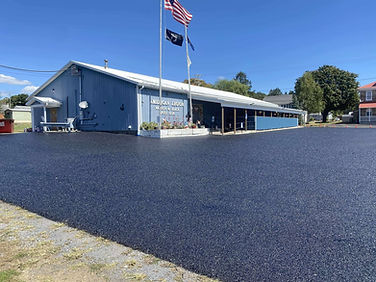

Commercial Asphalt Sealing That Lasts
A parking lot starts talking long before it fails. The color fades. Fine cracks spread. Edges begin to dry out and loosen. Customers may not know the technical reason, but they notice the difference right away. Commercial asphalt sealing helps slow that gradual decline before a lot turns into a much more expensive repair problem.
For property owners and facility managers, the real question is not whether asphalt changes over time. It does. The better question is how you want to respond to that aging process. If you wait until the surface is badly cracked, brittle, and letting water work deep into the pavement, your options get expensive fast. If you protect it earlier with the right material, you can extend the life of the surface, improve appearance, and reduce how quickly normal wear turns into structural damage.
What commercial asphalt sealing is really supposed to do
A lot of people hear the word sealing and think of a simple topcoat that changes the color for a while. That is part of the picture, but it should not be the whole story. Good commercial asphalt sealing is about preservation. It is meant to slow oxidation, help limit water intrusion, reduce damage from UV exposure, road salt, and fuel drips, and keep the surface from drying out and becoming more fragile.
That matters even more in central Pennsylvania, where parking lots deal with freeze-thaw cycles, winter salt, rain, summer heat, and steady traffic. Those conditions wear on asphalt year after year. Once the surface loses flexibility and protective oils, it becomes more vulnerable to cracking and surface unraveling.
This is where material quality makes a real difference. Ordinary water-based products often sit on top of the pavement and leave a flatter, duller finish. In some cases, they can even dry with off-tones that look brownish, bluish, or chalky instead of clean black. A premium asphalt-based rejuvenating sealer is different. It penetrates the pavement, helps restore compounds that asphalt loses with age, and protects the surface while bringing back a deeper black look with more of a fresh-paved sheen.
Why commercial asphalt sealing matters for business properties
A commercial lot has two jobs. It has to hold up, and it has to look cared for. If it falls short on either one, the property feels neglected.
From a performance standpoint, sealing is preventive maintenance. It helps reduce the rate of oxidation and slows down the surface aging that leads to cracking. It also gives the pavement added defense against water, which is one of asphalt’s biggest enemies. When water gets into small surface openings and temperatures drop, expansion can make minor issues worse in a hurry.
From an appearance standpoint, a dark, even lot simply presents better. It gives customers, tenants, and visitors a cleaner first impression. For retail sites, office properties, apartment communities, churches, and other commercial locations, curb appeal is not just cosmetic. It affects how the entire property is perceived.
That said, sealing is not a cure-all. If a lot already has major structural failure, widespread base issues, or severe breakup, sealing alone is not the answer. The best results come when the asphalt still has good underlying integrity and the goal is to preserve it before deterioration gets too far along.
When a parking lot is a good candidate for commercial asphalt sealing
Timing matters. Seal too late, and you are trying to protect pavement that has already lost too much ground. Seal too early, and the surface may not need it yet. The right window depends on the age of the asphalt, traffic volume, weather exposure, and current condition.
In general, a lot is often a strong candidate when the surface is faded, dry-looking, lightly cracked, or starting to show the early signs of oxidation. If the pavement still has sound structure but is clearly losing its rich black appearance and becoming more vulnerable to weathering, that is usually the point where preservation makes the most sense.
Property managers should also pay attention to areas that take extra abuse, such as entrances, drive lanes, and spots where water tends to sit. Those sections may age faster than the rest of the lot. A professional assessment helps determine whether the surface is in the ideal range for treatment or whether repairs should come first.
Not all sealers protect asphalt the same way
This is where many commercial property owners get frustrated. They pay for a lot to be sealed, it looks darker for a short time, and then the finish fades quickly or never looks quite right to begin with. The problem is often not the idea of sealing. It is the product choice.
Basic sealers are commonly chosen because they are cheaper upfront. But lower cost per application does not always mean better value. If the material mostly coats the surface without helping rejuvenate aging asphalt, you may get a temporary visual change without the same level of long-term protection.
A premium asphalt-based rejuvenating sealer is designed for more than appearance. Because it penetrates the surface, it supports asphalt preservation in a more meaningful way. It helps the pavement resist damage from oxidation, UV rays, water intrusion, road salt, fuel exposure, and surface wear. At the same time, it restores a richer black finish that looks closer to fresh pavement rather than a flat painted layer.
For commercial properties, that difference shows up in two ways. First, the lot can hold its condition better over time. Second, the finished appearance is more professional, which matters for customer-facing businesses and any property where image matters.
What business owners should expect from the process
Commercial asphalt sealing should be organized, efficient, and suited to the property’s traffic needs. For some sites, that means planning around customer hours or splitting the work into sections so access is managed properly. The process should protect the asphalt without creating unnecessary disruption.
Surface preparation is a big part of the result. Dirt, debris, and surface contaminants need to be addressed so the material can bond and perform the way it should. Condition also matters. If there are cracks or problem areas, those need to be evaluated as part of the larger preservation plan. A quality result is never just about what gets applied at the end.
For commercial clients, it also helps to think beyond a one-time visit. Asphalt maintenance works best when it is treated like a long-term asset strategy rather than a reaction to visible decline. That does not mean overdoing service. It means paying attention to condition and protecting the pavement before replacement becomes the only option left.
Commercial asphalt sealing in central Pennsylvania
Properties across Blair County, Bedford County, and Centre County deal with the same basic challenge: weather and traffic steadily wear down asphalt. Add winter salt, standing water, and temperature swings, and parking lots age faster than many owners expect. The same pattern also shows up across Cambria, Fulton, Mifflin, Somerset, Huntingdon, and Clearfield counties, even though those county pages are not live yet.
That is why commercial asphalt sealing makes practical sense for local businesses that want to protect their pavement and avoid premature deterioration. Whether you manage property in Altoona, maintain a commercial site near Everett, or oversee pavement in Bellefonte, the goal is the same: preserve asphalt while it still has strong underlying structure.
For central Pennsylvania property owners, the best fit is a local specialist who understands how these conditions affect asphalt and uses a material built for real preservation, not just a quick color change. Cove Asphalt Sealing focuses on that higher standard, using a premium asphalt-based rejuvenating sealer that penetrates, protects, and delivers a cleaner black finish with a fresh-paved sheen.
The long-term value is in preservation, not just appearance
A freshly darkened lot gets attention, but the bigger value is what happens after the job is done. Better protection can help slow cracking, reduce weather-related wear, and keep the asphalt in serviceable condition longer. That changes the math for a commercial property owner.
Replacement is expensive. Extensive repairs are expensive. Even minor deterioration becomes costly when it spreads across a large parking area. Preservation helps you manage those costs earlier and more predictably.
Still, every property is different. A lightly used office lot and a busy retail parking area will not age at the same pace. Sun exposure, drainage, traffic patterns, and current condition all affect what makes sense. That is why honest evaluation matters more than blanket promises.
If your parking lot is fading, drying out, or beginning to show early wear, now is the time to look at it closely. Protecting asphalt before major deterioration sets in is usually the smartest move, and the right material makes that investment worth a lot more.
Comments