Why Does Asphalt Turn Gray? Causes and Fixes
A driveway can look nearly black when it is first installed, then gradually fade to charcoal and eventually a flat, dusty gray. If you have wondered, why does asphalt turn gray, the answer is not simply dirt. Gray asphalt is usually a visible sign that the pavement has lost some of the oils and binders that once helped hold the surface together.
For homeowners and property managers in central Pennsylvania, that change matters. A faded driveway or parking area may still be usable, but its protection is weakening. Sun, rain, snow, road salt, and seasonal temperature swings all work on the pavement over time. Addressing that aging process early can help preserve the asphalt, improve curb appeal, and postpone more costly repairs.
Why Does Asphalt Turn Gray Over Time?
Asphalt is a blend of stone, sand, and asphalt binder. The binder is the dark, petroleum-based material that coats the aggregate and gives new pavement its rich black appearance. It also provides flexibility, helping the surface handle traffic and changing temperatures.
That binder does not stay unchanged forever. Exposure to oxygen causes it to oxidize, while sunlight breaks it down further. As the binder dries and loses its natural compounds, the lighter-colored stone beneath becomes more visible. The pavement begins to look gray, then more worn and uneven in color.
A gray surface does not automatically mean the asphalt has failed. It does mean the material is aging and becoming more vulnerable. The longer oxidation continues without protection, the more likely the pavement is to become brittle, crack, or begin losing small pieces of aggregate from the surface.
UV Exposure Dries Out the Binder
Sunlight is one of the biggest reasons asphalt fades. Ultraviolet rays gradually break down the binder at the top of the pavement. Central Pennsylvania driveways and lots experience plenty of sun in every season, including cold, bright winter days when the surface may look dry but still receives significant UV exposure.
The result is similar to leaving a dark rubber item outdoors for years. It fades, dries, and loses flexibility. Asphalt does not change overnight, but the effect builds with each season. Areas that get the most direct sunlight often turn gray faster than shaded sections.
Oxygen Causes Oxidation
Oxidation is the slow chemical aging of asphalt when it reacts with oxygen in the air. As the binder oxidizes, it becomes less elastic. That loss of flexibility is a concern because pavement needs to expand and contract as temperatures rise and fall.
When asphalt becomes stiff, it is less able to move with the ground and weather changes. Small cracks can develop, and those cracks give water a path below the surface. Fading is often the early visual warning. Cracking and deterioration can follow if the asphalt is left unprotected.
Water, Freeze-Thaw Cycles, and Road Salt Add Stress
Water does not cause every gray driveway, but it can accelerate the damage behind the fading. Rain and melting snow can work into small surface openings and cracks. When that water freezes, it expands. Repeated freeze-thaw cycles put pressure on the pavement and can widen existing damage.
Road salt is another factor for Pennsylvania properties. Salt helps keep driveways and parking areas safer in winter, but it can contribute to surface wear and expose aging asphalt to more moisture. Once the surface has become dry and gray, it is generally less equipped to resist these seasonal stresses.
Traffic and Fuel Spills Can Change the Surface
Traffic wears down asphalt, especially at vehicle turning points, garage entrances, and parking stalls. Tires can slowly abrade an already oxidized surface, making the aggregate more noticeable. On commercial properties, areas near entrances and high-use lanes may fade and wear sooner than the rest of the lot.
Fuel and oil spills are different problems, but they can also affect the binder. Petroleum products may soften or damage asphalt in concentrated spots. Cleaning spills promptly helps, but an older gray surface may still need preservation work to restore more consistent protection and appearance.
Is Gray Asphalt Only a Cosmetic Problem?
No. The color change is cosmetic at first, but it often reflects a real loss of surface condition. Black asphalt contains binder that helps shield and hold the aggregate together. As that binder wears away, the pavement can become rougher, drier, and more prone to cracking.
There is a trade-off here. Not every faded surface needs the same response. A driveway with sound asphalt and mild fading may be a strong candidate for rejuvenating sealant. A surface with widespread alligator cracking, deep depressions, or failed areas may need repairs before any protective treatment makes sense. Sealing over structural damage does not correct the underlying problem.
The best time to act is usually before the driveway looks severely worn. Waiting until gray asphalt has become cracked, unraveling, or uneven limits what surface protection can accomplish. Preventive maintenance costs less than allowing water and oxidation to turn a manageable aging issue into major pavement damage.
How Asphalt Rejuvenation Helps Restore a Dark Finish
Many property owners assume every sealer works the same way. It does not. Ordinary water-based coatings largely sit on the surface. They can provide a temporary color change, but the finish may be a dull black and can sometimes show blue, brown, or white hues as it wears.
A premium asphalt-based rejuvenating sealer is designed to do more than cover up gray pavement. It penetrates into the asphalt surface, helping replenish compounds lost through oxidation while protecting against UV exposure, moisture, salt, and surface wear. The goal is preservation as well as appearance.
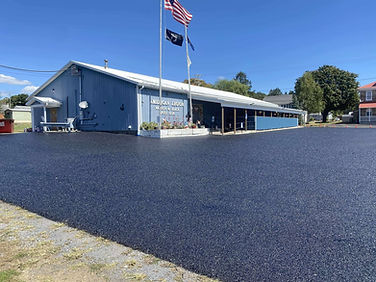
That difference is easy to see after the material cures. Rather than a flat painted look, a quality asphalt-based treatment can restore a deep black, fresh-paved sheen. More importantly, it helps the asphalt maintain the flexibility and protection it needs to resist the conditions that caused the fading in the first place.
Cove Asphalt Sealing uses a premium asphalt-based rejuvenating sealer for homeowners and commercial property owners who want a better finish and meaningful asphalt protection, not just a surface-only coating.
When Should You Seal or Rejuvenate Gray Asphalt?
The right timing depends on the pavement's condition, age, drainage, traffic, and repair history. In general, asphalt should be evaluated once its deep black color begins noticeably fading, rather than waiting for widespread cracks. An inspection can identify whether the surface is still a good candidate for rejuvenation or whether crack repair should come first.
For a residential driveway, look closely at the areas near the garage, the end of the drive, and places where water tends to sit. For commercial pavement, focus on entrances, turning areas, and sections receiving frequent vehicle traffic. These high-stress zones often show oxidation and surface wear first.
Fresh asphalt also needs time to cure before it receives a treatment. Applying any sealer too soon can interfere with that process. On the other hand, pavement that has aged for years without protection may be too dry or damaged for a simple maintenance application alone. A local asphalt preservation specialist can recommend the practical next step based on what the surface actually needs.
Keep Gray Asphalt From Becoming a Bigger Repair
The most effective approach is simple: keep water off and out of the pavement, repair cracks before they grow, and protect the surface before oxidation becomes severe. Clear leaves and debris so moisture does not sit on the asphalt. Watch for drainage issues, especially along edges and low spots. Clean fuel spills when they happen.
Then use a quality rejuvenating treatment on a maintenance schedule suited to the pavement's exposure and condition. A driveway in full sun with regular winter salt exposure may need attention sooner than a shaded, lightly used surface. Commercial areas with frequent traffic also require closer monitoring.
A gray driveway is not merely an eyesore. It is the pavement telling you that its protective binder is aging. Taking action while the surface is still fundamentally sound can bring back the deep black appearance homeowners want while helping the asphalt stand up better to the next Pennsylvania winter.
Comments