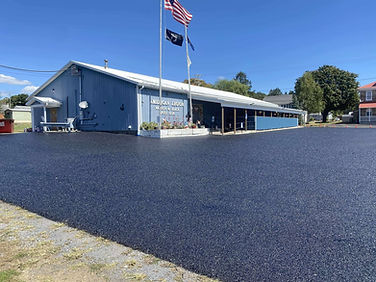
Parking Lot Sealcoating That Lasts Longer
A faded parking lot does more than look tired. It tells customers, tenants, and visitors that the surface has been baking in the sun, drying out, and slowly losing the oils that help asphalt stay flexible. That is why parking lot sealcoating matters. Done well, it helps protect your investment, slow surface aging, and restore the deep black appearance people associate with newer pavement.
For commercial properties in central Pennsylvania, that protection matters even more. Parking lots take constant traffic, seasonal temperature swings, rain, snow, road salt, and the occasional fuel drip. If the asphalt is left exposed year after year, oxidation speeds up, the surface gets brittle, and small problems become expensive ones. A quality preservation approach helps you stay ahead of that curve.
What parking lot sealcoating is really supposed to do
A lot of property owners think sealcoating is mostly cosmetic. Appearance is part of it, but the real job is protection. Asphalt contains oils and binding compounds that help it stay durable. As those compounds break down over time, the pavement dries out, fades from black to gray, and becomes more vulnerable to cracking, raveling, and water intrusion.
Good parking lot sealcoating helps shield the surface from UV exposure, moisture, salt, and everyday wear. The better systems do more than sit on top. They work into the pavement and help restore what aging asphalt has lost, which is a very different result from a basic surface-only coating.
That distinction matters because not all sealers perform the same way. Some products leave behind a flat, dull finish and act more like a short-term skin on the surface. A premium asphalt-based rejuvenating sealer is designed to penetrate, condition, and protect the asphalt itself while giving the lot a rich, freshly paved sheen.
Why ordinary sealers often fall short
This is where many commercial property owners get frustrated. They pay to have a lot sealed, it looks darker for a while, and then it starts wearing unevenly or losing its appearance faster than expected. In many cases, the issue is the material, not the idea of sealcoating itself.
Ordinary water-based sealers can create a more painted-on look. The finish is often duller, and depending on the product, it can even show off-color undertones such as blue, brown, or white hues as it ages. More importantly, surface-only coatings do not offer the same level of rejuvenation as an asphalt-based product that penetrates the pavement.
For a commercial lot, that difference shows up in both performance and curb appeal. You want protection against water intrusion, oxidation, road salt, fuel drips, and surface wear, but you also want the property to look maintained and professional. A premium material helps with both.
The best time for parking lot sealcoating
There is a simple rule here. Seal asphalt before deterioration gets ahead of you.
If your parking lot is turning gray, looking dry, or showing the early signs of surface aging, that is the right time to start thinking about treatment. You do not want to wait until widespread cracking, edge breakdown, or deeper structural problems are already in motion. Sealcoating is a preservation service, not a fix for severely failed pavement.
That said, timing always depends on the condition of the lot. A newer surface may be ready for protection before obvious wear sets in. An older lot may still be a good candidate if the asphalt is intact and the goal is to slow further aging. If the lot already has significant damage, repairs may need to happen first. That is why honest evaluation matters.
How weather and traffic affect commercial asphalt
Central Pennsylvania is tough on asphalt. Summer sun drives oxidation. Winter brings freeze-thaw cycles, snow, and salt. Water works its way into small openings, temperatures drop, and that trapped moisture expands. Add vehicle traffic and turning tires, and the surface wears down faster than many owners expect.
Parking lots also face a different pattern of stress than residential driveways. There is more stopping, more turning, more repeated loading, and often more exposure to oil and fuel spots. Areas near entrances, drive lanes, and parking stalls tend to show wear first. That is one reason commercial asphalt benefits from a proactive maintenance plan rather than a wait-and-see approach.
What a better finish says about your property
Appearance is not the whole reason to sealcoat, but it should not be minimized either. A dark, even parking lot makes a property look cared for. For retail spaces, office buildings, apartment communities, churches, medical offices, and other commercial sites, first impressions start before someone ever walks through the door.
The finish matters here. A premium asphalt-based rejuvenating sealer gives pavement a deeper black color with a fresh paved sheen. That looks more natural than the flatter appearance many property owners associate with lower-grade coatings. The result is cleaner, sharper, and more in line with the look of well-maintained asphalt.
When a lot looks newer, the whole property presents better. That helps with curb appeal, but it also signals attention to maintenance and long-term care.
Choosing the right contractor matters as much as the product
Even the best material will not deliver the right result if the application is rushed or the lot condition is not evaluated properly. Commercial property owners should look for a specialist who understands asphalt preservation, not just a contractor selling the cheapest coating option.
That means asking better questions. What type of sealer is being used? Is it a true asphalt-based rejuvenating material or a basic surface coating? Is the goal just to darken the lot, or to help protect and preserve the pavement? A knowledgeable contractor should be able to explain the difference in plain language.
For property owners in this region, local experience also matters. Asphalt in Pennsylvania deals with weather extremes, road salt, and seasonal moisture that affect product performance and scheduling. A local company that regularly works with commercial and residential asphalt across Blair County, Bedford County, and Centre County will understand those conditions and what they mean for long-term results.
Parking lot sealcoating in central Pennsylvania
Commercial property owners across central Pennsylvania usually want the same thing. They want the lot to look better now and hold up better over time. They do not want unnecessary sales pressure. They want clear recommendations, quality materials, and work that makes financial sense compared to the rising cost of major asphalt repair or replacement.
That is exactly why a premium preservation approach stands apart. Instead of treating sealcoating like a quick cosmetic upgrade, it treats it as part of a smarter asphalt maintenance strategy. When the right material penetrates and rejuvenates the surface, the value is not just in the color. It is in the added protection against oxidation, moisture, salt, and everyday wear.
If you manage or own a property in Blair County, Bedford County, or Centre County, that kind of preventive care can make a noticeable difference in how your lot looks and how it ages. Cove Asphalt Sealing works with property owners who want stronger protection and a better-looking finish than ordinary sealers typically provide.
When a parking lot is a good candidate
Not every lot is in the same stage of life, so the best answer is always based on condition. In general, a good candidate for sealcoating is structurally sound asphalt that is starting to fade, dry out, or show early wear. If the surface is still solid, protecting it sooner usually offers better value than waiting for visible deterioration to spread.
If your lot already has isolated cracks or minor trouble spots, those issues can often be addressed as part of the maintenance conversation. But when pavement has widespread failure, heavy breakup, or major base problems, sealcoating alone is not the answer. A trustworthy contractor should tell you that.
That honesty matters because good asphalt maintenance is about matching the right service to the right condition. Sometimes the best move is immediate preservation. Sometimes it is repair first, then protection.
A parking lot does not need to be falling apart to justify attention. In fact, the smartest time to act is usually before the damage becomes obvious from the street. When asphalt is protected early with a better material, you are not just improving appearance for the moment. You are giving the surface a better chance to stay stronger, longer, and look like a property that is taken seriously.
Comments