Asphalt Based Driveway Sealer Review for Homeowners
A driveway can look faded long before it has reached the end of its useful life. That is exactly why an asphalt based driveway sealer review should look beyond the color of the finished surface. The right material should help protect aging asphalt from the weather that causes it to dry out, become brittle, crack, and gradually unravel - while also bringing back the deep black appearance homeowners expect.
For central Pennsylvania driveways, the difference between a premium asphalt-based rejuvenating sealer and an ordinary surface coating matters. Our winters, road salt, rain, summer sun, and freeze-thaw cycles put steady pressure on pavement. A sealer that merely sits on top can improve appearance for a time, but a penetrating asphalt-based product is designed to do more for pavement that is still structurally sound enough to maintain.
Asphalt Based Driveway Sealer Review: What Matters Most
Not all black driveway sealers work the same way. Many homeowners understandably judge a sealer by how dark the driveway looks on application day. Appearance matters, but the more useful question is what happens after the material dries and the driveway faces another season of moisture, UV exposure, salt, and traffic.
Premium asphalt-based rejuvenating sealers are formulated to penetrate the upper surface of the pavement. As asphalt ages, it loses some of the compounds that help keep it flexible and water-resistant. The surface turns gray, feels dry, and becomes more vulnerable to small cracks and loose aggregate. A rejuvenating sealer helps restore and protect that weathered top layer rather than acting only as a film over it.
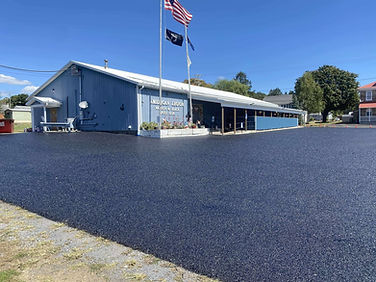
That approach comes with a visible benefit as well. Properly applied asphalt-based sealer leaves a rich black finish with a fresh-paved sheen. It looks like asphalt should look: dark, even, and well cared for without the flat, painted appearance that some property owners associate with basic coatings.
The finish is more than a cosmetic detail
Water-based sealers can be an option in certain situations, but they are generally surface coatings. Their finish is often a duller black and may develop blue, brown, or white hues as it dries or wears. That does not automatically make every water-based product poor, but it is a real trade-off for homeowners who want a true fresh-asphalt look.
An asphalt-based rejuvenating sealer typically delivers a deeper, more natural black. More importantly, its value is tied to its ability to work into the surface. When the goal is long-term asphalt preservation rather than a quick color change, that distinction deserves more weight than the initial price alone.
How a Penetrating Sealer Protects Aging Asphalt
Asphalt pavement is not maintenance-free. The binder within the asphalt gradually oxidizes from sunlight and air exposure. Water works into small openings, freezes during winter, and can widen weak spots. Road salt, vehicle fluids, and repeated traffic add to the wear.
A quality asphalt-based sealer helps limit the impact of those conditions by conditioning and protecting the pavement surface. It can reduce the dry, chalky look of oxidation, help slow moisture intrusion, and create a more resilient surface against everyday exposure. It is preventive maintenance, not a magic repair for pavement that has already failed.
That last point is important. Sealing will not permanently solve major alligator cracking, deep depressions, broad areas of crumbling, or a driveway with a failing base. Those conditions call for an honest assessment before any sealer is applied. But on a driveway with minor cracks, fading, and early signs of weathering, timely sealing can help delay more costly deterioration.
Cracks still need attention first
A professional application starts with preparation. The surface needs to be cleaned so the material can bond and penetrate properly. Oil spots, loose debris, and vegetation along the edges should be addressed. Cracks should be evaluated and treated as needed before sealing, because a topcoat alone cannot keep an active crack from becoming larger.
Preparation is one reason professional results often hold up better than a rushed weekend application. The material matters, but so do surface condition, weather, application rate, and allowing adequate cure time. A premium sealer applied to a poorly prepared driveway will not perform as it should.
Where Asphalt-Based Sealer Has the Advantage
For homeowners deciding between products, asphalt-based rejuvenating sealer is often the stronger choice when the driveway is faded, dry-looking, and still in maintainable condition. It is especially well suited to asphalt that has lost its rich black color but has not yet suffered widespread structural breakdown.
The major advantages are practical. It helps revive the pavement's appearance, supports protection against UV exposure and water, and produces a deep black finish that improves curb appeal. For a home listed for sale, that improved appearance can make the entire property look more cared for. For a homeowner staying put, it is a sensible way to protect an expensive driveway before replacement becomes the conversation.
Commercial properties can benefit for the same reason. Entrances, private lanes, and smaller parking surfaces often create a first impression before a customer reaches the door. A dark, consistent asphalt surface signals upkeep, while faded pavement with visible wear can make an otherwise well-maintained property look neglected.
The Trade-Offs to Consider Before Sealing
A fair asphalt based driveway sealer review should not suggest that one product fits every pavement or every budget. Asphalt-based materials are premium products, and the upfront investment can be higher than an ordinary water-based coating. The payoff is in the quality of protection, finish, and preservation value when the pavement is a good candidate.
There are also timing considerations. Asphalt should be dry, and application conditions need to be appropriate for the material to cure properly. Homeowners should plan around vehicle access and follow guidance on when it is safe to walk or drive on the surface. Cutting corners on timing can affect the final appearance.
Fresh asphalt is another case where timing matters. New pavement needs time to cure before sealing so the asphalt can release oils and stabilize. Sealing too soon is not better maintenance. An experienced asphalt preservation contractor can evaluate the driveway's age and condition and recommend the right schedule.
Finally, sealing is most effective as part of regular maintenance. Waiting until the surface is severely cracked and breaking apart limits what any sealer can accomplish. Addressing early cracks, keeping drainage away from pavement edges, and sealing on an appropriate maintenance cycle give the driveway a better chance to last.
What Professional Application Should Look Like
Homeowners should expect more than a crew arriving with black material and a squeegee. A quality service begins with an assessment of the pavement. The contractor should be able to explain whether the driveway is a suitable candidate for rejuvenating sealer, point out problem areas, and set realistic expectations.
The application itself should be even and controlled, with attention to edges, transitions, and areas that receive repeated tire traffic. The goal is not simply to make the surface black. It is to apply enough material for consistent coverage and penetration without leaving heavy buildup or sloppy borders.
Cove Asphalt Sealing uses a premium asphalt-based rejuvenating sealer for homeowners and commercial property owners who want that higher standard of protection and appearance. The focus is on preserving asphalt that can still be maintained, helping it resist the effects of central Pennsylvania weather while restoring a finish with a fresh-paved sheen.
Is an Asphalt-Based Rejuvenating Sealer Worth It?
For a driveway that is faded and weathered but still fundamentally sound, the answer is often yes. The added value comes from treating the pavement as an asset worth preserving, not just a surface that needs to look black for a few months. A quality asphalt-based product can help the driveway look better now while supporting a longer maintenance life.
The best time to evaluate sealing is when you first notice fading, minor cracking, or a dry, brittle surface - not after water has had years to work into the pavement. A local, no-pressure estimate can clarify whether your driveway is ready for sealing, needs crack attention first, or has reached a point where preservation alone is no longer the right answer.
A well-maintained driveway does more than improve curb appeal. It gives you a better chance to spend wisely on prevention today instead of facing avoidable pavement repairs later.
Comments