How Often Should You Sealcoat a Driveway?
A driveway rarely fails all at once. First it loses that rich black color. Then it starts looking dry, gray, and tired. After that, small cracks begin to show up, water gets in, and the surface starts aging faster than most homeowners expect. That is why one of the most common questions homeowners ask is how often should you sealcoat a driveway.
The short answer is this: most asphalt driveways should be professionally sealed about every 2 to 5 years. But that is not a one-size-fits-all rule. The right schedule depends on the age of the asphalt, how much sun and weather it takes, the amount of traffic it sees, and whether the product being applied actually protects and rejuvenates the pavement or simply leaves a temporary surface film.
For property owners looking into driveway sealcoating, the real goal is not just keeping asphalt dark. It is keeping good asphalt from drying out, cracking, and becoming much more expensive to repair later.
How often should you sealcoat a driveway in Pennsylvania?
In central Pennsylvania, every 2 to 5 years is a strong general guideline for most residential asphalt driveways. This region puts pavement through a lot. Freeze-thaw cycles, rain, snow, road salt, UV exposure, and temperature swings all work against asphalt. If you wait too long, the surface dries out, becomes more brittle, and is more likely to crack and unravel.
That does not mean every driveway should be treated on the exact same calendar. A newer driveway in a shaded location may hold up longer than one sitting in full sun with daily traffic. A long rural driveway may also wear differently than a shorter suburban one with lighter use. What matters most is protecting the asphalt before visible deterioration turns into costly repair work.
Why timing matters more than people think
Sealcoating is not just about making a driveway look darker. Done at the right time, it helps slow oxidation, limit water intrusion, reduce damage from road salt and fuel drips, and preserve the flexibility of the asphalt surface. That is the real value. Appearance is part of it, but protection is the bigger reason to stay on schedule.
If you seal too late, the surface may already be losing material and developing cracks that could have been minimized with earlier maintenance. If you seal too often with the wrong product, you may spend money without getting better long-term results. Good asphalt maintenance is really about timing and material quality working together.
The biggest factors that affect sealcoating frequency
Age of the driveway
A newly installed asphalt driveway should usually be allowed to cure before it is sealed. Fresh asphalt needs time to harden and release oils before protective treatment is applied. After that initial curing period, regular maintenance becomes much more important. Older driveways usually need closer attention because they have already lost some of the compounds that help asphalt stay resilient.
Sun exposure and weather
Driveways in full sun tend to oxidize faster. UV rays dry out the asphalt binder, which is what gives pavement its flexibility. Once that flexibility starts fading, cracking becomes more likely. In Pennsylvania, weather adds another layer of stress. Moisture, winter conditions, and freeze-thaw movement all make an unprotected driveway age faster.
Traffic and use
A driveway used by multiple vehicles every day will usually wear faster than one with lighter traffic. Turning tires in the same spots, parked vehicles, and regular use all create additional stress. Commercial asphalt surfaces and parking areas often need a more deliberate maintenance schedule because of heavier wear and greater exposure.
The type of sealer used
This is where a lot of property owners get mixed information. Not all sealcoating products perform the same way. Some ordinary sealers mainly sit on top of the pavement and provide more of a cosmetic, surface-level coating. They can darken the driveway for a while, but they do not offer the same kind of penetration or restoration.
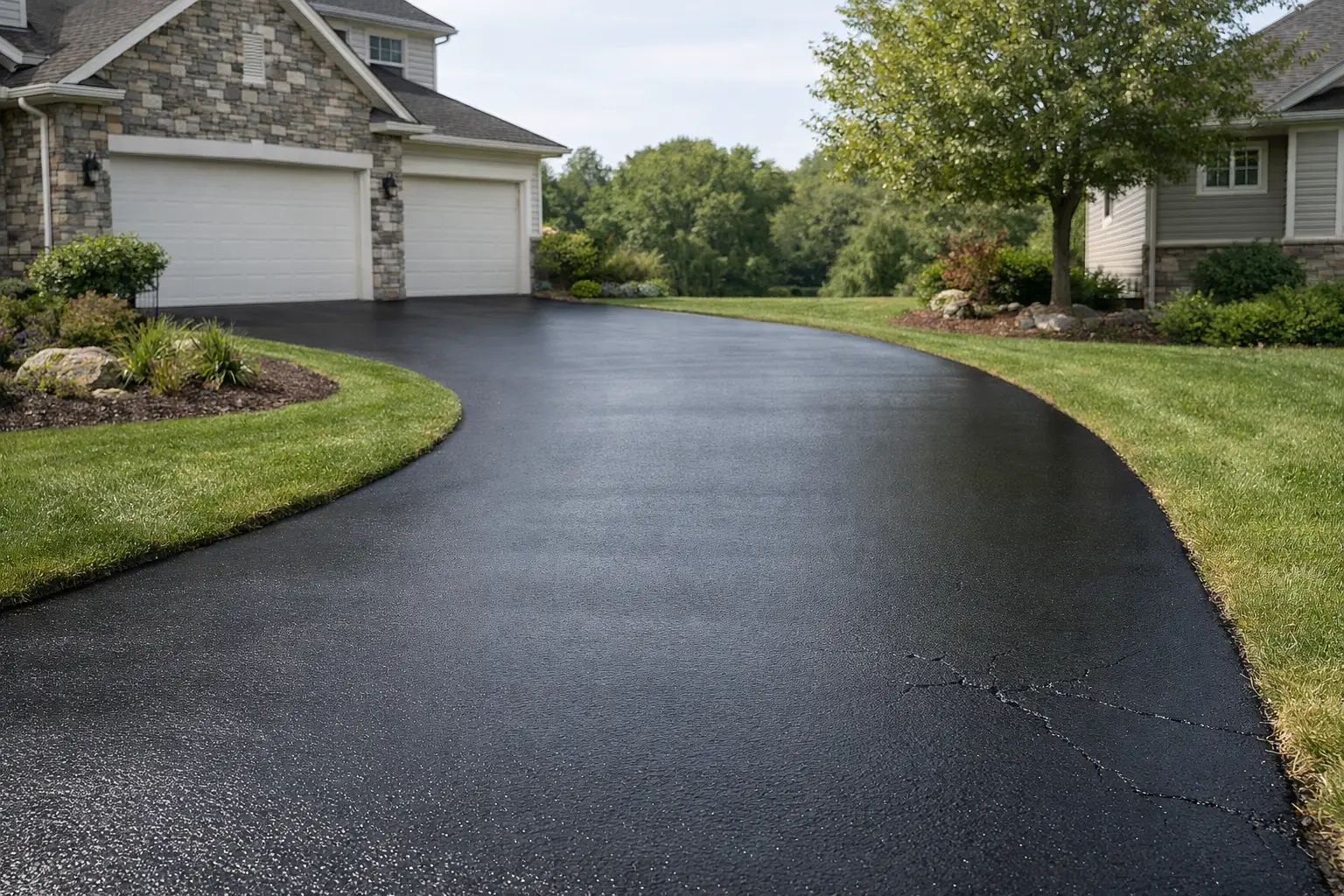
A premium asphalt-based rejuvenating sealer is different. It penetrates the pavement, helps replenish lost compounds in aging asphalt, and protects the surface in a more meaningful way. It also delivers a deeper black finish with more of a fresh-paved sheen instead of the flatter, duller look many water-based products leave behind.
Signs your driveway is ready to be sealed
The calendar matters, but your driveway itself tells the story. If the surface has faded from black to gray, that is one of the clearest signs oxidation is taking hold. If the asphalt looks dry or chalky, that is another sign the surface is losing protection.
Small cracks are also an early warning. Once water gets into those openings, especially during a Pennsylvania winter, damage can accelerate. Another clue is surface wear in traffic areas or places where the texture looks rougher than it used to. The best time to seal is before those issues grow into larger repairs.
When should you not sealcoat a driveway?
Not every driveway is ready for sealcoating at every moment. Fresh asphalt should not be sealed too soon. A driveway with widespread cracking, structural failure, or major surface breakdown may also need repair before sealing makes sense. Sealcoating is preventive maintenance, not a way to hide major pavement problems.
Weather matters too. Application conditions need to be right for the material to cure properly and perform the way it should. That is one reason professional scheduling matters more than simply picking a random weekend and hoping for the best.
How often should you sealcoat a driveway if you want it to last longer?
If your goal is maximum driveway life, the answer is usually not to wait until it looks bad. The better strategy is to seal on a proactive cycle, typically every 2 to 5 years, while also watching for signs of oxidation and early cracking. That approach helps you stay ahead of deterioration instead of reacting after the surface has already taken damage.
For homeowners, that means better curb appeal and fewer surprises. For commercial properties, it means protecting the look and performance of asphalt surfaces that tenants, customers, and visitors see every day. In both cases, early protection is almost always less expensive than delayed repair.
Why the product matters as much as the schedule
A lot of people think sealcoating is basically the same no matter who does it. It is not. If the product only adds temporary color, you may still be left with asphalt that continues drying out underneath. That is why the material itself deserves just as much attention as the maintenance interval.
For property owners who want longer-lasting value, a penetrating asphalt-based rejuvenating sealer makes more sense than an ordinary surface coating. It helps preserve the pavement, improves resistance to weather and water, and restores a richer appearance that looks more like fresh asphalt. That difference is especially important on aging driveways that need more than a cosmetic darkening.
What this means for homeowners in central Pennsylvania
In this part of the state, driveway maintenance should be planned, not postponed. The climate is simply too hard on unprotected asphalt. Homeowners across Blair County, Bedford County, and Centre County often see the same pattern: fading first, then brittleness, then cracking. The same wear pattern also shows up across Cambria, Fulton, Mifflin, Somerset, Huntingdon, and Clearfield counties, even though those county pages are not live yet.
Staying on a 2 to 3 year sealcoating cycle is a practical way to slow that process and protect your investment. That matters whether you are maintaining a driveway in Duncansville, trying to preserve asphalt in Schellsburg, or keeping ahead of surface wear in Boalsburg.
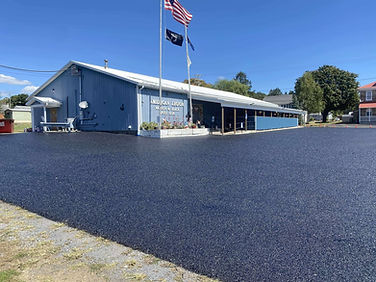
For commercial properties, regular protection matters just as much. Parking areas and access lanes deal with more traffic, more turning movement, and more opportunities for surface wear. A consistent maintenance plan helps those asphalt surfaces look better and last longer.
Cove Asphalt Sealing focuses on this kind of asphalt preservation because it gives property owners a better result than ordinary sealers that mostly sit on top. The goal is not just a darker driveway for a season. The goal is stronger protection, better long-term performance, and a finish that brings back that fresh-paved look.
The right answer is proactive, not excessive
So how often should you sealcoat a driveway? For most properties, every 2 to 5 years is the right range. Some driveways may need attention a little sooner, while others can stretch a little longer depending on age, exposure, and wear. The key is not chasing an arbitrary schedule or waiting until the surface is obviously deteriorating.
The best time to protect asphalt is when it is still in good enough shape to benefit from preservation. That is how you keep small issues small, maintain a cleaner appearance, and get more life out of the driveway you already have. If your asphalt is fading, drying out, or starting to show early cracks, that is usually the driveway telling you it is time to act.
Comments