Best Asphalt Resurfacing Products for Protection
If your driveway or parking lot is turning gray, drying out, or starting to show small cracks, the search for the best asphalt resurfacing products usually starts too late. By the time asphalt looks rough, oxidation has already been working on it for years. The right product can slow that damage down, improve appearance, and help the surface last longer. The wrong one may make it look darker for a while without doing much to protect what is underneath.
That is where a lot of property owners get tripped up. "Resurfacing" gets used as a catch-all term, but not every product sold for asphalt actually renews the surface in the same way. Some products are mainly cosmetic. Some create a surface film. Others are designed to penetrate the pavement and restore some of the compounds asphalt loses as it ages. If you want long-term value, that difference matters.
What people mean by the best asphalt resurfacing products
Most homeowners are not comparing lab data. They are looking at a faded driveway and asking a practical question: what will make this surface look better and hold up better? For commercial properties, the question is similar, just on a larger scale. You want curb appeal, protection from weather, and a sensible way to delay bigger repair costs.
In real-world terms, the best asphalt resurfacing products are the ones that match the condition of the pavement. A badly failed surface with deep cracking or structural issues is not a candidate for a coating product alone. But if the asphalt is still basically sound and the main problems are fading, dryness, minor surface wear, and early cracking, a quality preservation product can make a noticeable difference.
That is why product type matters more than label language. A bucket that says sealer or resurfacer does not tell you enough. You need to know whether it simply sits on top or whether it is made to work into the asphalt itself.
The main types of asphalt surface products
Water-based surface sealers
These are common because they are widely available and often cheaper upfront. They coat the top of the pavement and can temporarily darken the surface. For some property owners, that lower entry cost is appealing.
The trade-off is performance and finish. A surface-only coating does not do much to address dried-out asphalt below the top layer. It can also leave a flatter, duller black appearance, and some products can dry with blue, brown, or whitish tones that do not resemble fresh pavement. If your goal is simply short-term color change, these products may seem fine. If your goal is deeper protection and a richer finished look, they often fall short.
Asphalt-based rejuvenating sealers
This is the category that tends to offer more value when the asphalt is aging but still serviceable. Instead of acting like paint on top of the pavement, an asphalt-based rejuvenating sealer is designed to penetrate the surface and help replace some of what time, sun, and weather have taken out.
That matters because asphalt does not fail all at once. It dries out gradually. As it oxidizes, it becomes more brittle and more vulnerable to cracking, water intrusion, salt exposure, UV damage, fuel drips, and surface unraveling. A penetrating asphalt-based product addresses that problem more directly than a basic film-forming coating. It also tends to deliver the deep black look most property owners actually want - a fresh paved sheen rather than a flat, painted appearance.
Thick patch-style or filler-heavy coatings
Some products are marketed as resurfacing materials because they appear to build up the surface more heavily. These can have a place in certain repair situations, but they are not always the best fit for broad driveway or parking lot preservation.
The issue is that thicker is not automatically better. If a product mainly masks texture without improving the condition of the asphalt below, the visual improvement may not translate into better long-term protection. On pavement with active cracking or movement, a thick coating can still fail if the underlying issues are not handled properly.
How to judge asphalt products beyond the sales pitch
The best way to evaluate asphalt resurfacing products is to ignore the marketing buzzwords and look at three things: what the product is made to do, what kind of finish it leaves, and whether it fits the current condition of your pavement.
A good product should protect against the problems that actually shorten asphalt life in central Pennsylvania - water intrusion, oxidation, winter salt, freeze-thaw cycles, UV exposure, and everyday wear. It should also improve appearance in a way that looks natural. A deep black finish with a fresh paved sheen usually signals a more premium result than a chalky or uneven surface color.
It also helps to be honest about timing. Preservation products work best before a surface is too far gone. If asphalt has widespread deep cracks, crumbling edges, or major base failure, no coating product is going to turn that into new pavement. A specialist should tell you that plainly rather than oversell what a sealer can do.
Best asphalt resurfacing products for driveways and parking lots
For most residential driveways and many commercial lots that are weathered but still structurally sound, asphalt-based rejuvenating sealers stand out among the best asphalt resurfacing products. They are a better fit for property owners who care about both protection and appearance.
The reason is simple. Asphalt ages from exposure. It loses flexibility and valuable oils over time, then starts to crack and break down faster. A penetrating rejuvenating product works with that reality instead of just hiding it. You get a more meaningful layer of protection and a better-looking surface at the same time.
That is especially relevant in places like Blair County, Bedford County, and Centre County, where seasonal weather swings can be hard on pavement. Property owners in those areas often need more than a basic cosmetic coating. They need a product that helps their asphalt stand up to moisture, sun, winter treatment materials, and ongoing wear.
Why the finish matters more than people think
A lot of people focus on protection and treat appearance as a bonus. In practice, the finish tells you a lot about the product and the result. Fresh asphalt has a rich, dark appearance. When a treated driveway or lot ends up looking dull, washed out, or oddly tinted, it does not inspire much confidence.
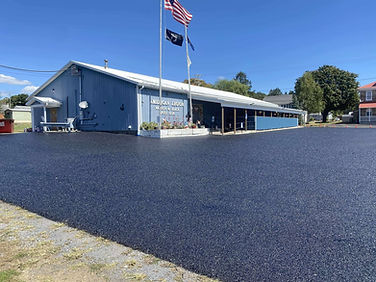
A premium asphalt-based treatment tends to produce a more natural black finish with the kind of sheen people associate with newer pavement. That is not just about looks. For homeowners, it boosts curb appeal. For commercial properties, it helps present a cleaner, better-maintained image. And because the visual result is one of the first things customers notice, it has real value.
Choosing the right contractor matters as much as the product
Even the best material can disappoint if it is applied without proper prep or used on the wrong surface. Cracks need attention. The pavement needs to be evaluated honestly. And the contractor should be clear about whether the surface is a good candidate for preservation or whether larger repairs are needed first.
That is one reason local experience counts. Conditions in central Pennsylvania are not the same as conditions in warmer or drier regions. A company that regularly works on driveways and parking lots in places such as Blair County, Bedford County, and Centre County will understand what local asphalt is up against and what kind of treatment makes the most sense.
For property owners comparing options, the biggest mistake is choosing only on price. Cheap surface coatings can look attractive on an estimate, but if they do little more than sit on top and fade out, they are not a bargain. Better material usually costs more because it does more.
A better question than “what is the cheapest option?”
The smarter question is this: which product gives your asphalt the best chance to last longer and keep looking good? That shifts the decision from short-term spending to long-term value.
For many properties, the answer will be a penetrating asphalt-based rejuvenating sealer rather than an ordinary water-based coating. That is the difference between a treatment focused mostly on surface color and one focused on preservation. Homeowners notice it in the finish. Property managers notice it in how the pavement holds up. Over time, that gap matters.
At Cove Asphalt Sealing, that preservation-first approach is what sets the service apart for customers across central Pennsylvania, including properties in Blair County, Bedford County, and Centre County. When the material penetrates, protects, and restores a richer black appearance, the result is more than a temporary darkening - it is a smarter way to care for asphalt before bigger problems take hold.
If your pavement is fading, drying out, or showing the early signs of wear, the best product is usually the one that treats the cause of aging, not just the color of it.
Comments