Top Causes of Asphalt Fading and What to Do
A driveway can look almost new one season and noticeably gray the next. That change is more than a curb-appeal issue. The top causes of asphalt fading also make pavement drier, more brittle, and more likely to crack when central Pennsylvania weather puts it under stress. Understanding why asphalt loses its rich black color helps homeowners and property managers act before a faded surface turns into a repair problem.
Top Causes of Asphalt Fading
Sun exposure and UV oxidation
Sunlight is one of the biggest reasons asphalt loses color. Asphalt contains oils and binders that hold the aggregate together and give a new driveway or parking lot its dark appearance. Ultraviolet rays gradually break down those binders, especially on open surfaces that receive direct sun for much of the day.
As the binder oxidizes, the asphalt shifts from black to charcoal gray and eventually a lighter, washed-out gray. More importantly, it becomes less flexible. Pavement needs some flexibility to handle temperature changes, vehicle weight, and normal movement in the ground. When oxidation dries it out, small cracks can form more easily and spread faster.
A sunny driveway may fade sooner than one shaded by trees, but shade brings its own concerns. Damp areas can stay wet longer, encouraging water intrusion and surface wear. The right protection depends on the surface condition, drainage, tree cover, and how much traffic the pavement handles.
Rain, snow, and water intrusion
Water does not have to be standing in a pothole to damage asphalt. It can enter through small cracks, worn surface areas, and edges where the pavement meets soil or another surface. Once moisture reaches below the top layer, it can weaken the base that supports the asphalt.
Central Pennsylvania freeze-thaw cycles make this worse. Water expands when it freezes, pushing existing cracks wider. When temperatures rise, the water can move deeper into the pavement. Repeated cycles lead to more cracking, loose aggregate, and areas that begin to unravel.
Fading often appears before severe water damage because the same oxidation that changes asphalt color also leaves the surface less protected. A faded driveway is not always structurally failing, but it is a clear signal that the pavement has lost some of its natural defenses.
Road salt and winter deicing materials
Pennsylvania winters are hard on driveways and commercial lots. Road salt and deicing products help improve traction, but they can also contribute to asphalt wear when combined with moisture, freezing temperatures, and traffic. Salt-laden slush can remain on the pavement for days, working into fine cracks and porous, oxidized areas.
Salt is rarely the only cause of fading. Instead, it accelerates deterioration in pavement that is already dry or worn. The result may be a duller appearance, more visible aggregate, and cracking along high-traffic paths or near garage entrances.
Keeping a surface clean after winter weather helps, particularly where salt residue builds up. Still, cleaning alone cannot replace the protective compounds lost from aging asphalt. Preservation works best before winter exposure has a chance to exploit every small weakness in the surface.
Vehicle fluids and fuel spills
Gasoline, motor oil, transmission fluid, and other vehicle fluids can soften asphalt binders. A small, quickly cleaned spill may not cause noticeable damage, but repeated drips in the same parking space or a larger fuel spill can leave a dark stain surrounded by softened, weakened pavement.
Over time, these spots may look different from the surrounding asphalt. They can become tacky, rough, or more prone to crumbling under tire pressure. Commercial properties with regular vehicle traffic and homeowners with older vehicles should watch for these areas, since early attention is much easier than waiting for the surface to break apart.
Not every protective treatment responds to fluids the same way. Ordinary surface-only coatings can improve color temporarily, but the quality of the material and proper preparation matter when the goal is lasting protection rather than a short-lived cosmetic change.
Traffic, turning tires, and surface abrasion
Vehicles slowly wear away at asphalt, especially where tires turn, stop, or repeatedly travel over the same path. Driveway entrances, garage approaches, loading areas, and parking-lot travel lanes usually show fading earlier than low-traffic sections.
Tight turning movements are particularly tough on warm asphalt. Tires can scuff the surface and pull at the binder near the top layer. Snowplow blades, gravel tracked in from unpaved areas, and sharp objects can create additional abrasion. As the upper surface wears, the lighter stone aggregate becomes more visible, giving the pavement a faded, rough appearance.
This is why a driveway and a parking lot should not be treated exactly the same. A low-traffic residential driveway may need a different maintenance schedule than a busy commercial surface. Condition, traffic patterns, drainage, and exposure should guide the recommendation.
Age and loss of natural asphalt oils
All asphalt ages. From the day it is installed, oxygen, sunlight, water, and seasonal temperature swings gradually reduce the flexible oils in the pavement. Fading is often the most visible evidence of that natural aging process.
Newer asphalt should be allowed to cure before any preservation treatment is applied. Once pavement has cured and begins showing early signs of oxidation, maintenance can help slow the loss of essential compounds. Waiting until cracks are widespread or the surface is unraveling limits what any sealer can do. Preservation can protect sound pavement and improve aging surfaces, but it is not a substitute for repairing major structural failure.
Why Fading Is More Than a Color Problem
A gray driveway may still feel solid underfoot, which is why it is easy to put off maintenance. But color loss often tells a larger story. As asphalt becomes lighter and drier, the binder is no longer holding the aggregate as effectively. That can lead to a rough texture, loose stones, shallow depressions, and cracks that invite water below the surface.
There is also the practical issue of appearance. A faded driveway can make an otherwise well-kept home look neglected. On a commercial property, worn pavement affects the first impression customers, tenants, and visitors form before they walk through the door. A deep black surface with a fresh paved sheen makes the entire property look better maintained.
How to Slow Asphalt Fading Before It Spreads
The most effective approach is preventive maintenance. Keep the surface clear of leaves, dirt, gravel, and lingering fluid spills. Address cracks while they are still narrow enough to manage. Make sure downspouts and grading do not direct water onto or under the pavement, especially along driveway edges.
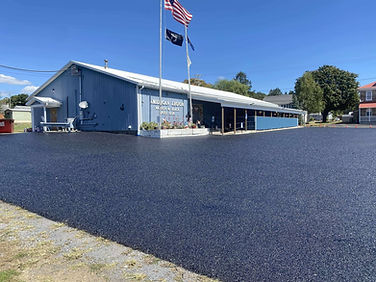
When asphalt has begun to fade, choose a treatment designed to do more than place a temporary film on top. Cove Asphalt Sealing uses a premium asphalt-based rejuvenating sealer that penetrates the pavement and helps restore compounds lost through aging and oxidation. The goal is not simply a darker color. It is improved protection from UV exposure, water, road salt, fuel spills, and surface unraveling, along with a deep black finish that has a fresh paved sheen.
That distinction matters. Some water-based sealers can leave a dull black appearance and may show blue, brown, or white hues as they weather. A premium asphalt-based material is selected for homeowners and property managers who want a richer finish and meaningful surface preservation. Results will still depend on pavement age, preparation, weather, existing cracks, and the condition of the underlying base.
When to Call a Pavement Preservation Specialist
A faded surface is a good reason to schedule an evaluation, especially if it also has visible cracking, rough aggregate, soft spots, drainage concerns, or edges that are breaking down. The best time to protect asphalt is usually before the damage becomes extensive enough to require larger repairs.
For property owners across central Pennsylvania, a no-pressure estimate can clarify whether the pavement is ready for rejuvenating sealer or needs crack repair and other attention first. Protecting asphalt while it is still serviceable is one of the most practical ways to preserve curb appeal, avoid premature deterioration, and get more years from the surface you already own.
Comments