
7 Signs Your Driveway Is Drying Out
A driveway rarely fails all at once. In most cases, the damage starts quietly, and one of the first warning signs is that the asphalt is drying out. If you know what to look for, you can catch the problem early and protect the surface before small issues turn into cracking, water intrusion, and expensive repairs.
Asphalt contains oils and binding compounds that help it stay flexible and strong. Over time, sun exposure, rain, road salt, traffic, and Pennsylvania freeze-thaw cycles pull those compounds out of the pavement. Once that happens, the surface starts to lose color, lose flexibility, and lose its ability to resist wear.
Common signs your driveway is drying out
The most obvious change is fading. Fresh, healthy asphalt has a rich black appearance. When a driveway starts drying out, that deep color gives way to a lighter gray, dull charcoal, or washed-out look. It often starts gradually, so many property owners do not notice it until the whole surface looks tired.
Texture is another clue. Asphalt that is drying out often feels rougher and looks less uniform. Instead of a tighter, smoother surface, you may notice the top beginning to look dry, dusty, or slightly coarse. That change matters because it usually means the pavement is losing the oils that help hold the surface together.
Small cracking is also an early red flag. These may begin as short hairline cracks or fine surface lines that do not seem serious at first. But dry asphalt becomes brittle, and brittle asphalt cracks more easily under weather changes and vehicle weight. If those cracks are ignored, water can work its way in and make the damage spread faster.
Another sign is surface raveling, which means the top layer begins to loosen and break down. You might see tiny stones coming free or notice a gritty feel along the driveway. That is not just cosmetic wear. It is a sign the asphalt binder is weakening and the surface is starting to unravel.
Why dry asphalt gets worse fast
Once asphalt loses flexibility, it becomes much more vulnerable. Water can enter through small openings, then expand during freezing weather and widen the damage. UV exposure keeps drying the pavement further. Oil drips, fuel spills, and road salt add more stress to a surface that is already compromised.
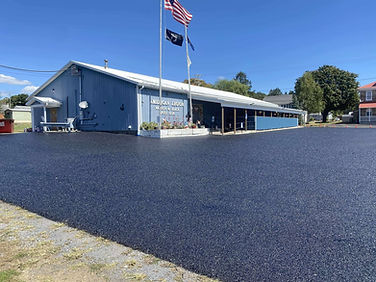
This is why faded pavement should not be treated as just an appearance issue. The color change often reflects oxidation, and oxidation is one of the main reasons asphalt ages prematurely. A driveway that looks dry is often a driveway that is becoming less protected.
Signs your driveway is drying out versus normal aging
Some aging is expected. Asphalt does not stay jet black forever, and a few minor visual changes over time are normal. The concern starts when fading is paired with brittleness, rough texture, early cracking, or loose aggregate. That combination usually means the surface needs attention, not just patience.
A good rule of thumb is this: if your driveway no longer looks dark and uniform, and it is starting to show cracks or a dried, chalky appearance, it is probably past the point of simple cosmetic wear. That is when protective maintenance becomes much more valuable.
What helps restore and protect drying asphalt
Not all sealers work the same way. Many standard products sit mostly on the surface and provide a flatter, duller look. A premium asphalt-based rejuvenating sealer does more. It penetrates the pavement, helps restore lost compounds, and protects against oxidation, moisture, UV exposure, salt, and surface wear.
That difference matters when a driveway is drying out. A penetrating asphalt-based treatment is designed to preserve the pavement itself, not just darken the top for a short time. It also gives asphalt a deeper black finish with more of a fresh paved sheen rather than the dull appearance often seen with ordinary water-based coatings.
For homeowners and property owners in central Pennsylvania, preventive treatment is usually far more cost-effective than waiting until cracking and breakdown become widespread. If your asphalt is starting to fade or feel brittle, it is a good time to act while the surface is still worth preserving.
When to have your driveway looked at
If you are seeing two or more of these signs your driveway is drying out, it makes sense to get a professional opinion. Early treatment can help extend the life of the asphalt and improve curb appeal at the same time. Waiting too long can leave you with deeper cracks, more water damage, and higher repair costs.
Cove Asphalt Sealing works with homeowners and commercial property owners across central Pennsylvania who want better protection than ordinary sealcoating provides. If you are in Blair County, Bedford County, or Centre County and your driveway is looking faded, dry, or brittle, a local asphalt preservation specialist can help you understand what condition the pavement is really in and whether sealing now can help you avoid bigger problems later.
A dry driveway usually gives you warning before it starts failing. The key is noticing those warnings while there is still time to protect the surface and keep it looking sharp.
Comments