Road Salt Asphalt Protection That Lasts
By late winter, you can usually see the difference. One driveway still has a rich, dark surface and tight edges. The next one looks gray, dry, and a little more broken down than it did in the fall. That is why road salt asphalt protection matters in central Pennsylvania. Salt does not just sit on the surface for a few snowy weeks. It works along with water, freeze-thaw cycles, and aging to speed up wear that already wants to happen.
For homeowners and property managers, the real issue is not whether asphalt will age. It will. The question is how fast. If your driveway or parking lot is already losing flexibility from oxidation, winter salt can make a bad situation worse by helping moisture move into weak spots and by increasing the stress on an already brittle surface.
Why road salt asphalt protection matters
Salt is not the only winter threat to asphalt, but it is part of a damaging chain reaction. Snow and ice treatments leave residue behind. Melted snow carries that residue into small surface voids and hairline cracks. When temperatures drop again, that trapped moisture freezes, expands, and puts pressure on the pavement from the inside.
On its own, asphalt is not ruined by one season of salt. The bigger problem is cumulative exposure. Year after year, oxidation dries out the pavement and removes the oils that help it stay flexible. Once the surface becomes more brittle, it is easier for water intrusion, surface raveling, and cracking to take hold. Salt then contributes to a cycle that is harder on neglected pavement than on asphalt that has been properly maintained.
This is where many property owners get misled. They think any black coating equals protection. It does not. Some sealers mainly sit on top and change the color for a while, but they do not do much to replenish what aging asphalt has lost. If the goal is real road salt asphalt protection, the material and how it interacts with the pavement matter.
Salt damage rarely happens alone
Most winter pavement damage is not caused by salt in isolation. It is the combination of salt, water, temperature swings, and existing asphalt age. That is why two driveways in the same neighborhood can come out of winter looking very different.
A newer or properly maintained surface has a better chance of resisting intrusion. An older driveway that has faded to gray, feels dry, or shows early cracking is much more vulnerable. Once water gets below the surface, freeze-thaw expansion starts opening those weak areas wider. By spring, what looked minor in November can turn into visible cracking, edge breakdown, and a rougher texture.
For commercial properties, the stakes are often higher because traffic volume increases wear. Parking areas deal with salt, plowing, repeated vehicle movement, and in some cases fuel drips or other contaminants. A surface that already has lost flexibility can break down faster under those conditions.
The difference between coating asphalt and protecting it
This is where a lot of sealcoating conversations go off track. Not every sealer works the same way, and not every finish gives the same level of protection.
Ordinary water-based products are often chosen because they are common and familiar. The problem is that many of them act more like a surface film. They can darken the pavement for a time, but the finish is often flatter and can even take on dull black tones with brown, blue, or whitish hues as it wears. More importantly, they do not offer the same penetrating, restorative benefit as a premium asphalt-based rejuvenating sealer.
A better approach is to use a material that penetrates the pavement and helps restore lost compounds in aging asphalt. That matters because winter does not attack only the topmost color of the driveway. It exploits dryness, brittleness, and surface weakness. A rejuvenating treatment addresses those issues more effectively than a product designed mainly to sit on top.
For property owners who want stronger long-term value, this is the key distinction. A fresh look is great, but appearance alone is not the job. Real protection means helping asphalt stay more resilient against cracking, oxidation, water intrusion, UV exposure, and the effects of road salt.
What better winter protection looks like
The best time to think about winter damage is before winter starts. Once moisture has worked into open cracks and the pavement has gone through repeated freeze-thaw cycles, you are no longer in pure prevention mode. You are trying to limit further deterioration.
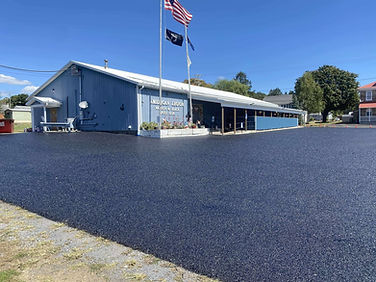
A properly maintained asphalt surface should have a sealed, well-protected finish that reduces exposure and helps preserve flexibility. With a premium asphalt-based rejuvenating sealer, the goal is not just to make the surface black again. The goal is to protect and preserve the asphalt itself while restoring a deep black appearance that looks closer to fresh pavement.
That richer finish is not just cosmetic. It reflects the fact that the material is doing more than laying a thin color layer on top. For homeowners, that can mean less drying, slower aging, and fewer opportunities for small problems to become expensive repairs. For commercial properties, it can mean a better-looking lot and a better shot at extending surface life before major repair costs enter the picture.
Road salt asphalt protection for Pennsylvania driveways and lots
Central Pennsylvania winters are hard on pavement because conditions change constantly. A week of freezing temperatures can be followed by melting, rain, and another cold snap. That repeated movement of moisture is what makes neglected asphalt so vulnerable.
If you own property in areas like Blair County, Bedford County, or Centre County, you have probably seen how quickly winter can expose weak pavement. Surfaces that looked acceptable in the fall can come out of the season noticeably more faded, cracked, or rough. That is one reason local asphalt maintenance should be based on real regional conditions, not a one-size-fits-all approach.
For homeowners looking into driveway preservation in Blair County, Bedford County, or Centre County, working with a local specialist matters because the timing, product choice, and condition of the pavement all affect results. A surface with light wear may respond well to proactive treatment. One with more advanced cracking may need a different plan before sealing makes sense. It depends on the actual condition of the asphalt, not just the calendar.
When to protect asphalt from salt damage
The best time to protect asphalt is before winter exposure ramps up, while the pavement is still structurally sound enough to benefit from preventive maintenance. That said, spring and summer are often when property owners notice the damage and finally decide to address it. Both approaches can work, but prevention is almost always cheaper than waiting for visible deterioration.
If your asphalt is turning gray, losing its rich black color, or starting to show fine cracks, those are signs that the surface is drying out and becoming more vulnerable. Waiting until the cracking becomes widespread usually means fewer preservation options and more repair costs.
For many residential driveways, a regular maintenance schedule does more for long-term performance than sporadic treatment after damage is obvious. The same goes for parking lots that need to maintain both appearance and surface integrity. Good asphalt maintenance is not about doing something once and forgetting it. It is about staying ahead of avoidable deterioration.
Why quality matters more than the cheapest sealer
Every property owner wants value, but value is not the same as the lowest upfront price. A cheaper product that gives a short-lived color change and limited protection can cost more over time if the asphalt continues drying out, cracking, and wearing down underneath.
That is why companies like Cove Asphalt Sealing focus on a premium asphalt-based rejuvenating sealer rather than ordinary surface-only products. The difference shows up in both protection and appearance. You get a deep black finish with a fresh paved sheen, but more importantly, you are investing in preservation that helps the pavement last longer.
That matters for homeowners who want curb appeal and for commercial properties that need a surface that looks professional and holds up better under use. It also matters for anyone comparing the cost of maintenance to the far higher cost of asphalt replacement.
In places where winter road salt is simply part of life, asphalt protection is not something to put off until the surface is clearly failing. If your driveway or lot is starting to fade, dry out, or show early signs of wear, now is the right time to look at what kind of protection it is really getting and whether it is enough for another Pennsylvania winter.
Comments