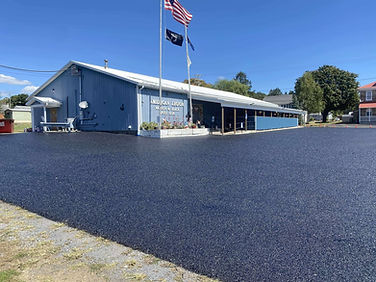
How to Protect Aging Asphalt the Right Way
That faded gray driveway is telling you something. Asphalt does not usually fail all at once. It dries out, loses flexibility, turns brittle, and slowly starts opening the door to cracks, water intrusion, and surface breakdown. If you are wondering how to protect aging asphalt, the best time to act is before those small signs turn into expensive repairs.
For homeowners and property managers across central Pennsylvania, the goal is simple: keep asphalt in service longer, keep it looking clean and dark, and avoid premature replacement. That takes more than putting a cheap coating over the top. Aging asphalt needs protection that helps address oxidation, weather exposure, road salt, and moisture before the surface starts unraveling.
Why aging asphalt starts to fail
Asphalt contains oils and binding compounds that help it stay flexible and durable. Over time, sun exposure, air, rain, freeze-thaw cycles, and traffic wear those compounds down. The surface begins to fade from black to gray, and that color change is more than cosmetic. It is often a sign that the pavement is oxidizing and drying out.
Once asphalt gets brittle, it becomes much more vulnerable to cracking. In Pennsylvania, that problem moves fast because water can enter small openings, freeze, expand, and make the damage worse. Add road salt, vehicle fluids, and regular wear, and an older driveway or parking lot can go from tired-looking to structurally compromised sooner than many owners expect.
This is why timing matters. Waiting until asphalt is badly cracked limits your options. Protecting it while the surface is still largely intact usually delivers far better value.
How to protect aging asphalt before damage spreads
The first step is understanding what protection should actually do. A good asphalt treatment should not just make the surface look darker for a short time. It should help defend against the main causes of deterioration, especially oxidation, UV exposure, water penetration, and chemical exposure.
That is where many property owners get disappointed with ordinary sealers. Some products sit on the surface and create a temporary visual change, but they do not do much to restore what aging asphalt has lost. They can leave a flatter, duller appearance and may not provide the same level of long-term preservation.
A premium asphalt-based rejuvenating sealer works differently. Instead of acting like a simple topcoat, it penetrates the pavement and helps replenish lost compounds in the asphalt. That matters because older asphalt does not just need to be covered - it needs to be conditioned and protected. When the right material is used, you get a deeper black finish with more of a freshly paved sheen, along with meaningful surface protection.
The biggest threats to older asphalt
If you want to know how to protect aging asphalt effectively, it helps to focus on the threats doing the most damage. In this region, water is one of the biggest. Once water gets into cracks or weakened surface areas, it can start a cycle of erosion and expansion that accelerates failure.
Sunlight is another major factor. UV exposure speeds up oxidation, which is why asphalt that sits unprotected gradually loses its rich black color and starts looking dry and chalky. Road salt also takes a toll during winter, especially on residential driveways and commercial lots that see repeated snow and ice treatment.
Fuel drips, oil spots, and regular traffic wear can compound the issue. No treatment can make neglected asphalt brand new again, and severely damaged pavement may need repairs before sealing. But if the surface is still in maintainable condition, proper preservation can slow further deterioration in a big way.
Protection works best when asphalt is still salvageable
This is an important point many contractors gloss over. If your asphalt already has widespread cracking, potholes, base failure, or crumbling edges, sealing alone is not a cure. Surface protection is most effective when it is part of a proactive maintenance plan, not a last-minute attempt to hide major damage.
That does not mean older asphalt is too far gone just because it looks faded. Many driveways and parking areas still have solid life left in them if they are treated at the right stage. A professional evaluation can help determine whether the surface is a good candidate for rejuvenating protection or whether repairs should come first.
Why the type of sealer matters
Not all asphalt sealers perform the same, and that difference shows up in both appearance and longevity. A lower-grade or water-based product may provide a short-term darkening effect, but it often lacks the same penetrating and rejuvenating qualities of a premium asphalt-based material. The finish can also look flatter or less natural.
For owners who care about curb appeal, this matters. A driveway or lot should not just look coated. It should look renewed. A better asphalt-based rejuvenating sealer gives aging pavement a rich, deep black appearance that resembles fresh pavement more closely while also helping protect against future wear.
For owners who care about value, the difference matters even more. If you are investing in asphalt maintenance, you want a treatment that helps extend pavement life, reduces the pace of drying and cracking, and supports long-term preservation. The cheapest option upfront is not always the best value over time.
How to protect aging asphalt with a smart maintenance schedule
There is no single timeline that fits every property. A lightly used residential driveway in a shaded area may age differently than a busy commercial lot exposed to full sun and regular traffic. The condition of the asphalt, drainage, prior maintenance, and local weather all play a role.
Still, the main principle is straightforward: do not wait for visible deterioration to become severe. If the surface is fading, drying out, or beginning to show minor cracking, that is often the window when protective treatment makes the most sense. Acting earlier usually costs less than waiting until repairs become more extensive.
Routine cleaning also helps. Leaves, debris, standing dirt, and fluid residue can all contribute to staining and surface wear over time. Keeping water from pooling and addressing small issues early can support the results of professional sealing and preservation.
Residential and commercial asphalt have different demands
Homeowners usually care about two things right away - preventing cracks and improving curb appeal. That makes sense, because a worn-out driveway can drag down the whole look of a property. A quality rejuvenating sealer addresses both by helping protect the asphalt while restoring a fresh, dark finish.
Commercial properties often have a broader maintenance concern. The surface needs to hold up under more traffic, look presentable to customers or tenants, and avoid the cost and disruption of premature deterioration. In both cases, the basic strategy is the same: preserve what you have before damage spreads.
Local conditions in central Pennsylvania make protection more important
Asphalt in this part of the state deals with a lot. Freeze-thaw cycles, snow, road salt, summer sun, and steady moisture swings all put stress on aging pavement. That is one reason property owners in places like Blair County, Bedford County, and Centre County often see older asphalt break down faster when maintenance is delayed.
For that reason, local experience matters. A company that understands how central Pennsylvania weather affects asphalt can make better recommendations about timing, condition, and product choice. Cove Asphalt Sealing serves homeowners and businesses across the region and focuses specifically on preserving asphalt with a premium asphalt-based rejuvenating sealer rather than relying on ordinary surface-only coatings.
When to call a professional
If your asphalt has turned noticeably gray, feels dry and worn, or has started showing hairline cracks, it is worth getting it looked at. The right treatment at the right time can help slow oxidation, reduce moisture intrusion, improve appearance, and protect the surface from further wear.
That is especially true if you want to avoid the higher cost of letting a manageable problem become a major one. Property owners looking for driveway or parking lot protection in Blair County, Bedford County, or Centre County should work with a local asphalt preservation specialist who uses materials designed to penetrate and rejuvenate, not just cover over the surface.
Aging asphalt does not always need replacement. Often, it needs attention sooner than most people think and better protection than most products provide. If your pavement is fading, drying out, or starting to show its age, a timely maintenance plan can help it stay stronger, look better, and last longer.
Comments