
Is Sealcoating Driveway Worth It?
A driveway does not usually fade and break down all at once. Asphalt dries out gradually, loses flexibility, starts to look rough, and then the small cracks begin to show. That is why so many homeowners ask whether sealcoating a driveway is really worth it or if it is just a cosmetic upgrade.
The honest answer is that it depends on the condition of the asphalt, the material being used, and whether the goal is real preservation or just a darker surface for a short time.
For many asphalt driveways in central Pennsylvania, professional sealing or rejuvenation is absolutely worth it. Not because it magically fixes every problem, but because asphalt does not stay healthy on its own. Sun, rain, snow, road salt, freeze-thaw cycles, and vehicle fluids all work against it year after year. If you wait until the driveway is badly cracked, crumbling, or structurally failing, sealing is no longer the answer. But if the pavement is still sound and simply beginning to age, the right treatment can help protect it, improve its appearance, and buy you more time before major repair costs show up.
When sealcoating a driveway is worth it
Sealcoating makes the most sense as preventive maintenance. Asphalt contains oils and binders that help it stay flexible. Over time, oxidation and weather exposure dry those compounds out. Once that happens, the surface gets brittle, and cracking becomes much more likely.
A quality treatment helps slow that process. It creates protection against water intrusion, UV rays, road salt, fuel drips, and everyday wear. In the best cases, especially with a premium asphalt-based rejuvenating sealer, the treatment does more than just sit on top. It helps restore some of what aging pavement has lost while also improving the look of the surface.
That matters in Pennsylvania because the weather is hard on asphalt. Water finds its way into tiny openings, temperatures swing, and freeze-thaw movement widens weak spots. If your driveway is beginning to fade but still has a solid base, sealing can be one of the smartest maintenance decisions you make.
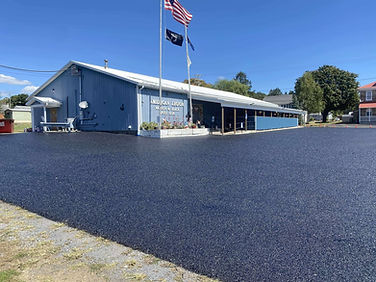
It is also worth it when curb appeal matters. A rich black finish can make the whole front of a property look cleaner and better maintained. That visual improvement is real, but it should come with real protection too. A driveway should not just look freshly paved for a few weeks. It should be better shielded from the damage that ages asphalt.
When sealcoating is not worth it
There are situations where sealing is the wrong move. If a driveway has widespread alligator cracking, major sinking, crumbling edges, potholes, or drainage problems, a sealer is not going to solve the underlying issue. In those cases, the better investment is usually repair, resurfacing, or replacement.
It is also not worth it if the product being applied is low quality or mostly cosmetic. Some sealers give a quick black appearance but offer limited long-term benefit. Homeowners often assume all sealcoating is the same, but it is not. There is a big difference between a basic surface coating and a premium asphalt-based treatment designed to penetrate, condition, and protect the pavement.
Timing matters too. A brand-new driveway usually needs time to cure before being sealed. On the other hand, a driveway that has already been neglected for too long may be past the point where sealing will deliver meaningful value. The sweet spot is maintenance before serious deterioration sets in.
Is sealcoating a driveway worth it compared to doing nothing?
Doing nothing is usually the most expensive option, just not right away. That is why people put it off. The driveway still works, so maintenance gets pushed to next year. Then the surface dries out more, cracks spread, water works deeper into the pavement, and what could have been preserved starts moving toward repair territory.
A professional sealing treatment costs far less than major asphalt work. It will not stop time, but it can slow down the kind of wear that leads to expensive damage. If your driveway is still in decent shape, preservation almost always beats waiting for visible failure.
Think of it this way: sealcoating is not really about making an old driveway new again. It is about helping a good driveway stay good longer. That is where the value is.
The difference between basic sealcoating and true asphalt preservation
This is where a lot of homeowners get mixed information. They hear the word sealcoating and picture a thin black layer brushed or sprayed over the top. Sometimes that is exactly what they get. It may look good at first, but it may not do much to help the dried-out asphalt below the surface.
Better treatments go further than appearance. A premium asphalt-based rejuvenating sealer is designed to penetrate the pavement, help replace lost oils, restore flexibility, and create a protective wear layer on top. That is a very different approach from a simple surface dressing.
For a homeowner, the practical difference is simple: one option mainly changes how the driveway looks, while the other aims to improve how it holds up. Both can darken the surface, but only one is really focused on preservation.
That is why the question is not just whether sealcoating is worth it. It is whether the treatment being applied is actually built to protect and revive asphalt instead of only darkening it for a short time.
What homeowners in central Pennsylvania should expect
Driveways in central Pennsylvania take a beating from the seasons. Summer sun dries out the surface. Winter moisture and salt work their way into weak spots. Spring and fall bring the kind of temperature changes that stress aging pavement. That is true whether you are in Blair County, Bedford County, or Centre County.
Because of that, regular maintenance is not overkill. It is practical. A driveway that looks faded, feels dry, or has a few light cracks is often a strong candidate for sealing or rejuvenation. A driveway with severe structural breakdown is not.
Homeowners should also expect honest limits. No reputable contractor should tell you a sealer will repair major damage. What it can do is help protect a sound driveway from getting there too fast.
And yes, appearance still matters. When a driveway gets that deep black, fresh-paved look, it lifts the whole property. But the real payoff comes when that finish is paired with protection against oxidation, water intrusion, UV exposure, salt, fuel spots, and surface unraveling.
How to tell if your driveway is a good candidate
A good candidate usually has solid structure with surface aging. The color has likely faded from black to gray. The texture may feel dry or rough. You may see light cracking, but not widespread breakup. The edges are still holding together, and drainage is not causing major failure.
A poor candidate usually shows deeper problems. Large connected crack patterns, loose aggregate, potholes, soft spots, or sinking sections are signs that sealing alone will not be enough.
This is where a professional evaluation helps. An experienced asphalt contractor can tell the difference between a driveway that needs preservation and one that has already moved into repair territory. If you are in central Pennsylvania and want a straightforward opinion without pressure, getting that kind of estimate before another season of weather does more damage is usually a smart move.
So, is sealcoating a driveway worth it?
If your asphalt driveway is still in decent condition, yes, sealcoating is usually worth it. It protects your investment, improves curb appeal, and can extend the life of the pavement when the right material is used at the right time. If the driveway is already badly deteriorated, no, sealing is not the best use of your money.
The bigger question is not just whether to sealcoat. It is whether you are choosing a treatment that actually preserves asphalt instead of only darkening it. That is the difference between spending money on maintenance and spending money on appearance alone.
At Cove Asphalt Sealing, that distinction matters. Homeowners want more than a quick color change. They want a driveway that looks sharp, resists damage, and holds up longer.
If your driveway is fading, drying out, or starting to show its age, that is usually the best time to act. Waiting tends to make the answer more expensive later.
Comments