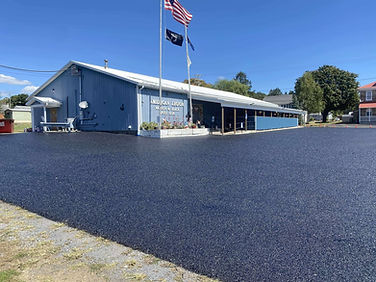
Best Sealer for Oxidized Asphalt
If your driveway or parking lot has turned gray, feels dry, and seems to be losing its rich black color year after year, oxidation is already at work. Finding the best sealer for oxidized asphalt is less about picking the cheapest coating and more about choosing a treatment that actually helps aging pavement hold up longer.
What oxidation does to asphalt
Oxidized asphalt does not just look faded. As the surface loses essential oils and binding compounds, it becomes drier and more brittle. That is when small cracks start showing up more easily, surface texture begins to wear away, and water has a better chance of getting into the pavement.
In central Pennsylvania, that process tends to speed up because asphalt deals with sun, rain, freeze-thaw cycles, road salt, and regular traffic. A driveway can go from looking slightly dull to looking tired and vulnerable faster than many property owners expect. By the time it is pale gray and rough to the touch, appearance is only part of the issue.
The best sealer for oxidized asphalt is not always the most common one
A lot of property owners assume any black sealer will solve the problem. That is where the real difference starts. Some sealers mostly sit on top of the pavement and create a surface film. They can darken the asphalt for a while, but that does not mean they are doing much to help restore what oxidation has taken away.
The best sealer for oxidized asphalt is usually a penetrating, asphalt-based rejuvenating sealer. Instead of acting like a simple paint layer, it is designed to soak into the pavement, replenish lost compounds, and improve protection from the inside out. That matters because oxidized asphalt needs more than color. It needs preservation.
This is also where trade-offs come in. A lower-grade or ordinary water-based sealer may cost less upfront, but it often leaves a flatter, duller black finish and can even show off-color hues like blue, brown, or white as it ages. A premium asphalt-based rejuvenating sealer typically delivers a deeper black appearance with more of a fresh paved sheen while also offering more meaningful long-term protection.
Why penetrating rejuvenation makes more sense
When asphalt starts drying out, the problem is not limited to the top surface. Oxidation changes the pavement itself. A penetrating treatment is a better fit because it works with the condition of the asphalt rather than just covering it up.
That kind of sealer helps slow down further oxidation, reduces the impact of water intrusion, and adds a layer of defense against UV exposure, salt, and spills. For a homeowner, that can mean fewer worries about the driveway getting brittle and cracking earlier than it should. For a commercial property owner, it can mean extending the usable life and appearance of a parking area before larger repairs become necessary.
This does not mean every oxidized surface can be saved by sealing alone. If asphalt is severely cracked, breaking apart, or structurally failing, sealer is not a replacement for repair. But when the pavement is aging, faded, and drying out without being too far gone, a high-quality rejuvenating sealer is often the smarter move.
How to tell if your asphalt needs more than a basic coating
There are a few signs that asphalt has moved beyond needing a cosmetic touch-up. The color is usually the first giveaway. Healthy asphalt has a darker, richer look, while oxidation shows up as a faded gray or washed-out black. Texture is another clue. If the surface feels dry, rough, or slightly loose at the top, that usually points to weathering and compound loss.
Cracking matters too. Fine surface cracks can often appear as asphalt becomes more brittle. Those early signs are exactly when preservation has the most value. Waiting until cracks widen, edges unravel, or pieces begin breaking away usually means higher repair costs later.
That is why many property owners are better served by treating oxidation early instead of waiting for obvious damage. In areas like Blair County, Bedford County, and Centre County, where seasonal weather puts asphalt through repeated stress, maintenance timing has a big effect on longevity.
Best sealer for oxidized asphalt on driveways vs parking lots
The material choice is usually the same, but the priorities can shift a little depending on the surface. On a residential driveway, most homeowners want two things at once - stronger protection and a noticeable improvement in curb appeal. A premium asphalt-based rejuvenating sealer checks both boxes because it helps preserve the pavement while restoring a deep black finish that looks closer to fresh asphalt.
On a commercial lot, appearance still matters, but durability and value tend to lead the conversation. Property managers and business owners want the surface to look maintained, but they also want to avoid accelerated wear from weather, traffic, and fluid exposure. In that setting, a penetrating asphalt-based treatment makes sense because it is not just dressing up the lot for a short time.
Why finish quality matters more than people think
A sealer’s appearance says a lot about the material used. Many ordinary sealers produce a dull black finish that can look flat or uneven, especially after some exposure. On oxidized asphalt, that can leave the pavement looking coated rather than restored.
A better material gives a richer, more natural asphalt look. That fresh paved sheen is not only about curb appeal. It is often a sign that the treatment is more compatible with the pavement itself. Property owners notice the difference right away, especially when they compare a premium asphalt-based finish to the chalkier look common with lower-end products.
For homeowners trying to protect resale value or simply keep the property looking cared for, that visual result matters. The same goes for businesses that want a cleaner, more professional-looking entrance and parking area.
Choosing the right contractor matters as much as the material
Even the best sealer for oxidized asphalt can underperform if it is applied poorly or if the contractor is using a one-size-fits-all approach. Oxidized pavement needs proper surface preparation, good timing, and the right product for the condition of the asphalt.
That is why it helps to work with a specialist who focuses on asphalt preservation rather than treating sealcoating like a basic add-on service. The difference is not just in how the job looks when it is finished. It is in how well the treatment supports the pavement over time.
For property owners in central Pennsylvania, a local company that understands regional weather, road salt exposure, and seasonal wear can give more useful recommendations than a generic sales pitch. If you are comparing options in places like Blair County, Bedford County, or Centre County, it makes sense to look for a contractor who clearly explains the difference between ordinary coatings and penetrating rejuvenation.
What to look for if you want the best sealer for oxidized asphalt
If your goal is long-term value, look for a sealer that is asphalt-based, penetrating, and designed to rejuvenate aging pavement rather than simply cover it. Ask how it helps with oxidation, water intrusion, UV exposure, and surface brittleness. Ask what kind of finish it leaves behind. Those details tell you a lot.
It is also worth paying attention to how the contractor talks about results. A trustworthy asphalt preservation company should be clear that sealing works best as preventive maintenance. It should not promise miracles for pavement that is already failing. Honest guidance is usually a sign that the company is focused on protection and longevity, not just a quick sale.
For many driveways and parking lots, the right time to act is when the surface is faded and aging but still structurally sound. That is the sweet spot where a premium rejuvenating sealer can make the biggest difference.
In our area, property owners looking for asphalt maintenance in Blair County, Bedford County, or Centre County often get better results when they choose preservation early instead of waiting for costly deterioration. A free, no-pressure estimate from a local specialist can tell you whether your asphalt is a good candidate for rejuvenating sealer and what kind of protection makes the most sense.
When asphalt starts turning gray, it is usually asking for more than a surface coating. The right treatment can help it look better now and hold up better later, which is exactly the kind of maintenance that pays off.
Comments