Best Asphalt Protection Methods That Last
- Jun 21
- 6 min read
A driveway usually does not fail all at once. First it loses that rich black color. Then it starts looking dry, gray, and brittle. A season or two later, small cracks show up, water gets in, and the surface begins to break down faster than most property owners expect. That is why the best asphalt protection methods are not about waiting for damage - they are about preserving the pavement before oxidation, moisture, salt, and sun take over.
For homeowners and commercial property owners in central Pennsylvania, good asphalt protection comes down to a few practical decisions. Some methods help slow aging. Some mainly improve appearance. And some do both. The difference matters, especially if your goal is to keep asphalt looking better, lasting longer, and avoiding premature repair costs.
What damages asphalt in the first place?
Asphalt is flexible when it is healthy, but it does not stay that way on its own. Over time, sun exposure dries out the surface and strips away the oils that help asphalt stay resilient. That oxidation leaves pavement faded and more likely to crack.
Water is the next major problem. Once water enters small openings, it can weaken the base, expand during freeze-thaw cycles, and turn a minor issue into a larger repair. In Pennsylvania, road salt adds another layer of stress during winter. On driveways and parking lots, fuel drips, traffic wear, and surface abrasion can also speed up deterioration.
That is why protection has to do more than make asphalt look dark for a while. The best results come from methods that address both appearance and long-term preservation.
Best asphalt protection methods for long-term results
Not every protection method works the same way, and that is where many property owners get misled. A low-cost coating may freshen the color for a short time, but if it only sits on top of the pavement without helping the asphalt itself, the value is limited.
Asphalt rejuvenating sealer
For aging asphalt that is still structurally sound, a premium asphalt-based rejuvenating sealer is one of the strongest options available. This type of treatment is designed to penetrate the pavement rather than simply forming a surface film. That matters because older asphalt loses important compounds as it ages. A rejuvenating sealer helps restore some of that lost flexibility while also adding protection against oxidation, UV exposure, water intrusion, road salt, and surface wear.
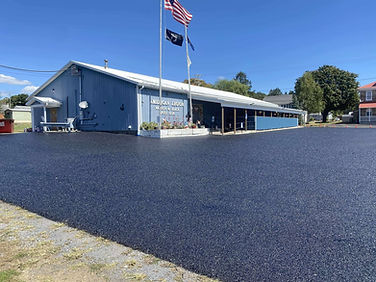
It also gives the pavement a deeper black appearance with a fresh paved sheen. That finish is very different from the flatter, duller look many ordinary water-based sealers leave behind. For property owners who care about curb appeal, that visible difference is not a small detail. It is often one of the first things people notice.
Crack sealing at the right time
Even the best sealer cannot perform well if cracks are left open. Once a crack allows water under the surface, the damage tends to spread. Sealing cracks early helps stop that process before it leads to larger failures.
This is one of those areas where timing matters. Hairline cracking may be manageable as part of routine maintenance, but wider or growing cracks need attention sooner. If a driveway or lot has widespread failure, patching and sealing alone may not be enough. Still, for many surfaces, proactive crack treatment is one of the most cost-effective protection steps you can take.
Keeping water off the surface
Drainage is not always the first thing people think about, but it has a direct effect on asphalt life. Standing water increases wear, finds weak points, and accelerates breakdown. Even a well-applied protective treatment will not overcome constant ponding in the same low spots.
That does not mean every property needs a major drainage project. Often, the practical step is simply paying attention to where water sits after a storm and addressing problem areas before they worsen. Protection works best when the surface can actually shed water the way it should.
Regular cleaning and spill control
Oil, gas, and debris do more than make asphalt look neglected. Petroleum spills can soften pavement, and built-up debris traps moisture against the surface. Regular blowing, sweeping, and cleanup help reduce unnecessary wear.
This is not the most glamorous part of asphalt maintenance, but it does make a difference. A protected driveway or parking area lasts longer when damaging materials are not left sitting on it for weeks or months.
Why ordinary sealers often fall short
A lot of people assume all sealcoating products do the same job. They do not. Some lower-grade sealers mainly add color and a temporary barrier on top of the asphalt. That can improve appearance for a while, but it is not the same as feeding protection into the pavement itself.
The trade-off is simple. Surface-only products may look like a quick fix upfront, but they often do less to help aging asphalt stay resilient. They can also leave a flatter finish that does not have the richer, freshly paved look many property owners want.
A premium asphalt-based rejuvenating sealer takes a different approach. Instead of acting like a cosmetic layer alone, it penetrates the asphalt and supports preservation at the surface level where deterioration begins. For driveways and parking lots exposed to Pennsylvania weather, that is a meaningful difference.
Best asphalt protection methods for driveways vs. parking lots
The right approach depends on how the surface is used.
Residential driveways
For most homeowners, the priorities are preventing cracks, slowing fade, and keeping the driveway looking sharp from the street. A rejuvenating sealer is often the best fit because it combines visible curb appeal with real protection. If the driveway is treated before it becomes heavily cracked and brittle, the payoff is usually better long-term performance and fewer expensive problems later.
Homeowners in areas like Blair County, Bedford County, and Centre County often deal with strong sun, winter weather, and road salt in the same year. That mix is hard on asphalt, which is why preventive maintenance usually makes more sense than waiting until deterioration is obvious.
Commercial asphalt surfaces
Parking lots and other commercial surfaces face heavier traffic, more turning movement, and more exposure to fuel drips and wear. Protection still matters, but planning becomes even more important. Crack sealing, surface preparation, and the right protective treatment all need to work together.
For a business, appearance matters too. A darker, well-maintained lot looks more professional and signals that the property is being cared for. But the bigger value is extending pavement life and reducing how quickly wear turns into repair bills.
Timing matters more than most people think
One of the biggest mistakes property owners make is waiting until the asphalt already looks rough. By that point, oxidation may be advanced, the surface may be drying out, and cracks may already be allowing water underneath.
The best asphalt protection methods work best as preventive maintenance. That means treating asphalt while it is still in decent condition, not after major breakdown has started. There is always some case-by-case judgment involved, but in general, earlier protection gives you more value than late-stage damage control.
This is also why professional evaluation matters. Two driveways can look similar from the road and need different recommendations up close. One may be a strong candidate for rejuvenation and crack treatment. Another may have deeper issues that need to be addressed first.
What central Pennsylvania property owners should look for
If you are comparing asphalt protection options, do not just ask how black the surface will look on day one. Ask what the material is actually doing for the pavement. Ask whether it penetrates, whether it helps fight oxidation and moisture, and whether the finish will hold up with a cleaner, richer appearance.
That matters across central Pennsylvania, from properties in Blair County to Bedford County and Centre County, where seasonal temperature swings and winter conditions put real stress on asphalt. A better product and better application method can make a noticeable difference in both appearance and service life.
For homeowners, that often means a driveway that keeps its deep black color longer and stays in better shape year after year. For commercial properties, it means a surface that presents better and holds up better under regular use.
Protection is cheaper than replacement for a reason
There is no maintenance method that makes asphalt last forever. At some point, every surface reaches the end of its service life. But there is a big difference between replacing pavement sooner than necessary and getting more years out of it with proper preservation.
That is the real value behind premium asphalt protection. It is not about a quick cosmetic change. It is about slowing the aging process, reducing avoidable damage, and helping the surface keep both its strength and appearance longer.
If your driveway or parking lot is starting to fade, dry out, or show early cracking, waiting rarely improves the situation. The better move is to protect it while there is still something worth preserving. For many properties, that one decision is what keeps a manageable maintenance job from turning into a much bigger expense later.
Comments