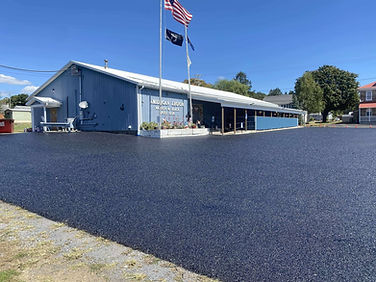
Asphalt Oxidation Treatment That Protects Pavement
A driveway does not usually fail all at once. It starts by losing its rich black color, then the surface feels dry, gray, and slightly rough. Fine cracks follow. That progression is oxidation, and the right asphalt oxidation treatment can slow it before small surface changes become costly pavement repairs.
For central Pennsylvania property owners, oxidation is more than a cosmetic concern. Sun exposure, rain, freeze-thaw cycles, road salt, vehicle traffic, and occasional fuel drips steadily pull asphalt apart at the surface. A quality treatment helps protect the pavement while bringing back the deep black, freshly paved sheen that makes a driveway or parking area look cared for.
What Asphalt Oxidation Does to Pavement
Asphalt contains binders that hold the aggregate, or stone, together. When pavement is new, those binders are flexible and better able to handle normal movement from weather and traffic. Over time, oxygen and ultraviolet light break down those compounds. The asphalt loses flexibility, becomes brittle, and begins to fade.
That faded gray appearance is a warning sign, not just an appearance issue. As the binder dries out, stone can begin to loosen from the surface. Small cracks give water a path below the pavement, where freezing temperatures can widen damage quickly. Pennsylvania winters are especially hard on neglected asphalt because water expands as it freezes and puts pressure on already weakened areas.
Oxidation cannot be avoided completely, but it can be managed. Treating pavement before it becomes severely dry, cracked, or unraveling is one of the most practical ways to protect the investment already in the ground.
How Asphalt Oxidation Treatment Works
A proper asphalt oxidation treatment should do more than leave a dark layer on top. Cove Asphalt Sealing uses a premium asphalt-based rejuvenating sealer designed to penetrate the pavement surface and help restore compounds aging asphalt has lost.
That difference matters. Ordinary water-based sealers can sit primarily on top of the pavement, creating a temporary color change but offering limited rejuvenation. Their finish can also look dull black and may show blue, brown, or white hues as it wears. A premium asphalt-based treatment is intended to work into the surface, helping protect the asphalt rather than simply covering it.
When the material is applied to sound, properly prepared pavement, it helps shield the surface from UV exposure, water intrusion, road salt, fuel spills, and continued oxidation. It also restores a richer black color with a fresh paved sheen. Homeowners notice the curb appeal immediately, while property managers appreciate a cleaner, more uniform appearance across traffic areas.
The goal is not to pretend damaged pavement is new. The goal is to preserve pavement that still has a good foundation and delay the need for more extensive repair or replacement.
When Treatment Makes Sense
The best time for asphalt oxidation treatment is before the driveway or lot reaches a point of widespread deterioration. A surface that has faded, feels dry, or has minor cracking is often a strong candidate, especially if the pavement still drains properly and the base remains stable.
Treatment is particularly useful when a property owner wants to maintain a newer driveway, protect an aging but serviceable surface, or improve the appearance of a commercial entrance, parking area, or private lane. Regular preservation costs far less than waiting until the surface breaks apart and requires significant repair.
There are limits. Sealer is not a structural repair product. Deep alligator cracking, major potholes, drainage failures, heaving, or areas where the base has failed need to be evaluated and repaired before any protective treatment is applied. Covering serious damage may improve color for a short time, but it will not correct what is happening below the surface.
A straightforward assessment should focus on pavement condition first. The right answer may be treatment, crack repair followed by treatment, or holding off until unstable areas are addressed. That is why a no-pressure estimate from an asphalt preservation specialist is more useful than a one-size-fits-all recommendation.
Preparation Determines the Result
Premium material performs best on a clean, dry surface. Before treatment, the pavement should be cleared of loose debris, dirt, and vegetation. Oil or fuel spots require attention because contamination can prevent the treatment from bonding and penetrating as intended.
Cracks should also be considered before sealing. Small cracks can allow water into the pavement structure, so addressing them before the protective application helps the finished surface perform better. The exact preparation depends on the age, condition, and use of the pavement.
Weather matters as well. Asphalt treatment needs appropriate dry conditions and temperatures for the material to cure correctly. Rushing an application ahead of rain or applying in unsuitable conditions can compromise the finish and reduce the value of the work. A professional schedule should account for the forecast rather than treat every day as equal.
Better Protection Than a Surface-Only Coating
Not every black driveway finish delivers the same result. That is where many property owners get disappointed. A driveway may look dark immediately after a basic coating, yet the surface can still remain dry underneath, and the color may fade unevenly as the coating wears.
A penetrating, asphalt-based rejuvenating sealer takes a different approach. It is selected to help replenish and protect the asphalt surface while delivering a more attractive finish. The deep black appearance is not the only benefit, but it is an important one. A well-maintained driveway improves curb appeal, and a professionally protected commercial surface helps create a better first impression for customers, tenants, and visitors.
The trade-off is that quality preservation requires careful preparation, the right weather window, and a material suited to the pavement. It is not the cheapest shortcut. For property owners who want longer-lasting value rather than a temporary cosmetic fix, that difference is worth understanding.
How Often Should Asphalt Be Treated?
There is no universal calendar for every property. Exposure makes a difference. A shaded driveway with light vehicle use may age differently than a wide, sun-exposed driveway that sees daily traffic, snow removal, salt, and frequent turning vehicles. Commercial pavement may need closer monitoring because traffic concentrates wear at entrances, parking stalls, and drive lanes.
The practical approach is to watch the pavement, not just the date on the calendar. When black asphalt starts looking gray, dry, or worn, it is time to consider an evaluation. Treating it while the surface is still in maintainable condition gives the material the best chance to help protect it.
After treatment, avoid sharp turns from stationary tires, heavy point loads, and fuel spills whenever possible. Keep drainage paths clear, remove standing water, and address new cracks early. Preservation works best as part of a maintenance plan, not as a single task forgotten for years.
A Local Approach to Long-Term Pavement Care
Central Pennsylvania asphalt faces real seasonal stress. From winter salt in Blair County and Bedford County to changing weather conditions across Centre County, driveways and parking areas need protection that accounts for how local pavement actually ages.
The right asphalt oxidation treatment can help a sound surface stay flexible longer, resist the effects of weather, and maintain the deep black finish property owners want. It is a practical investment in curb appeal and pavement life, especially when applied before cracking and surface unraveling take over.
If your asphalt is beginning to look faded or brittle, the best next step is to have its condition assessed while preservation is still an option. Acting early gives your driveway or parking area a better chance to keep doing its job for years to come.
Comments