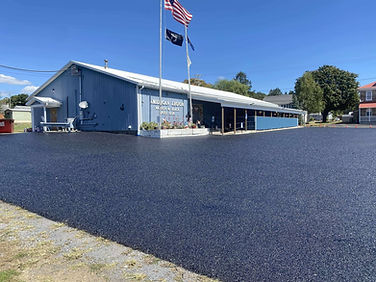
Commercial Pavement Maintenance Planning That Pays
A parking lot rarely fails all at once. It fades, dries out, develops small cracks, holds water after a storm, and begins to unravel at the edges. By the time those problems look serious, repair costs have usually climbed. Commercial pavement maintenance planning gives property owners a practical way to protect asphalt earlier, budget with more confidence, and keep the property looking cared for.
For central Pennsylvania businesses, that planning matters. Our pavement sees freeze-thaw cycles, road salt, summer UV exposure, rain, vehicle traffic, and occasional fuel drips. A good maintenance plan recognizes those conditions and focuses on preserving sound asphalt before water and oxidation turn manageable issues into larger ones.
Start With the Pavement You Have
The right plan begins with an honest look at the parking area, drive lanes, private roads, or other commercial asphalt surfaces. Not every faded lot needs the same work, and sealing cannot correct every pavement problem. Asphalt that is structurally sound but dry, gray, and beginning to show minor cracking is often an excellent candidate for preservation. Deep alligator cracking, soft areas, major potholes, or widespread base failure need repair evaluation first.
Walk the property after rain if possible. Standing water, particularly near entrances, wheel paths, and low areas, is a warning sign because moisture is one of asphalt's biggest enemies. Check edges where pavement meets grass or gravel, since unsupported edges often break down first. Also look closely around catch basins, curbs, loading areas, and the places where vehicles stop, turn, and idle.
Documenting these conditions with dated photos makes future decisions easier. It also helps a property manager distinguish normal surface aging from changes that require attention.
Classify issues by urgency
A useful plan separates immediate repair needs from preservation work and longer-term monitoring. Immediate needs include holes, unsafe broken areas, active water-related deterioration, and cracks that are open enough to admit substantial moisture. Preservation work includes treating sound but aging asphalt before it becomes brittle and porous. Monitoring applies to minor conditions that are stable but should be reviewed seasonally.
This approach prevents two common mistakes: waiting until the lot is visibly failing, or spending money sealing pavement that needs repair first.
Build a Commercial Pavement Maintenance Planning Schedule
Commercial pavement maintenance planning should be based on pavement condition and exposure, not just a date on the calendar. A lightly used office lot with good drainage may age differently than a busy retail lot, apartment complex entrance, or service area with frequent turning vehicles. Sun exposure, traffic, drainage, prior maintenance, and winter salt use all affect timing.
At minimum, schedule a visual inspection in spring and again before winter. Spring reveals what freeze-thaw cycles and plowing season may have done. A fall inspection gives you time to address cracks, surface wear, and drainage concerns before another winter sends water into vulnerable areas.
Your schedule should account for four practical actions:
Inspect cracks, edges, low areas, and high-traffic zones twice each year.
Repair significant cracks and localized damaged areas before protective treatment.
Apply a premium asphalt-based rejuvenating sealer when the pavement is ready for preservation.
Keep gutters, drains, and nearby landscape edges from directing water onto or under the asphalt.
The exact sealing interval depends on the surface. A newer lot may need protection on a different schedule than an older lot that has already lost oils and flexibility. A local asphalt specialist can assess the existing condition rather than applying a one-size-fits-all recommendation.
Choose Protection That Supports the Asphalt
Not all sealers perform the same job. Ordinary water-based products primarily sit on the surface and can leave a dull black appearance that sometimes carries blue, brown, or white hues. They may improve color temporarily, but appearance alone is not a pavement maintenance strategy.
A premium asphalt-based rejuvenating sealer is designed to penetrate the asphalt surface. That matters because aging asphalt loses the compounds that help it remain flexible and resistant to weathering. A penetrating treatment helps restore lost compounds while protecting the surface from oxidation, UV exposure, water intrusion, road salt, fuel spills, and surface unraveling.
The visible result matters too. A well-maintained commercial property makes a better first impression on customers, tenants, and visitors. The right material leaves a deep black finish with a fresh paved sheen, not a flat, washed-out look. More importantly, it supports the goal behind the appearance: extending the useful life of the asphalt where the pavement is still a good candidate for preservation.
Put Water Management at the Center of the Plan
Water changes the stakes for every other maintenance decision. Once it enters cracks or works beneath the surface, freeze-thaw cycles can expand the damage. Water that repeatedly collects at an entrance, wheel path, or pavement edge deserves attention even if the rest of the lot looks good.
Property teams should watch for downspouts that discharge onto asphalt, clogged drains, settled areas, and grass or gravel that is rising above the pavement edge. Even small changes in drainage patterns can shorten the life of a parking area over time.
There is a trade-off here. Addressing drainage conditions may add cost compared with simply treating the surface, but ignoring recurring water can waste an otherwise smart preservation investment. The best plan handles the cause of deterioration along with the visible symptoms.
Budget Before the Damage Dictates the Budget
A predictable maintenance budget is one of the strongest reasons to plan ahead. Replacement is expensive, disruptive, and difficult to schedule around customers, tenants, employees, or deliveries. Preservation and timely repairs allow a property owner to spread spending over time instead of reacting to a sudden pavement failure.
Create a simple annual pavement line item that covers inspections, minor repairs, and periodic surface protection. For larger properties, divide the pavement into zones and prioritize the areas with the highest traffic or fastest deterioration. An entrance drive and main parking field may need attention sooner than a lightly used overflow area.
Do not judge a proposal by the lowest upfront number alone. Ask what material will be used, whether the pavement condition supports treatment, how cracks and damaged sections are handled, and what finish you can expect. A lower-cost surface-only coating can be less valuable if it does little to help preserve aging asphalt beneath it.
Coordinate Maintenance Around Business Operations
The best maintenance plan is one that can actually be carried out without creating unnecessary disruption. Consider customer peak times, employee schedules, deliveries, tenant access, and events before choosing a service date. Clear communication and a phased approach can help keep essential areas available while work is completed.
It is also wise to set expectations about cure time and traffic restrictions before the work begins. Rushing vehicles onto a freshly treated surface can affect the finished appearance. A professional contractor should explain the timing clearly and help you choose a practical window.
For property owners in Blair, Bedford, and Centre counties, local weather patterns should be part of that conversation. Spring and fall conditions can be ideal for evaluating pavement, while seasonal temperature swings make early action especially valuable. Cove Asphalt Sealing serves commercial properties across central Pennsylvania with a preservation-focused approach built around premium asphalt-based rejuvenating sealer, not ordinary surface-only coating.
Make the Plan a Living Record
A pavement plan should not sit in a folder until a problem appears. Update it after inspections, repairs, major storms, and sealing service. Keep notes on where water collects, which areas see the heaviest traffic, and when cracks begin to change. Over several seasons, that record becomes a useful guide for planning work at the right time.
The goal is not to make asphalt maintenance complicated. It is to avoid the costly pattern of neglect, visible deterioration, emergency repairs, and premature replacement. A few informed decisions made early can protect both the pavement and the appearance of the property for years to come.
If your commercial asphalt is fading, drying out, or beginning to crack, now is the right time to assess it. A free, no-pressure estimate can help you understand what condition the pavement is in and whether preservation is the smart next step.
Comments