Best Driveway Sealer for Salt and Winter Wear
A central Pennsylvania winter can make a tired asphalt driveway look much older by spring. Road salt, de-icing products, melting snow, freeze-thaw cycles, and standing water all work their way into an already-dry surface. The best driveway sealer for salt is not simply the blackest coating in the bucket. It is a material that helps protect the asphalt itself, especially when winter conditions expose every weak spot in the pavement.
For homeowners and property managers, that difference matters. A driveway may look acceptable in the fall, then develop faded areas, loose aggregate, hairline cracks, and rough patches after a hard winter. Choosing a premium asphalt-based rejuvenating sealer before deterioration advances can help preserve the surface, improve curb appeal, and delay more costly repairs.
Why Salt Is Hard on Asphalt
Salt does not usually damage sound asphalt in one dramatic event. The trouble is the cycle it creates. Salt lowers the freezing point of water, so snow and ice melt more frequently on the driveway. That meltwater can enter small cracks, porous spots, and weakened edges in the asphalt.
When temperatures drop again, moisture freezes and expands. As that cycle repeats, small defects can widen. Water also carries salt deeper into vulnerable areas, while vehicle traffic presses moisture and grit against the surface. On a driveway that has already been dried out by sun, oxidation, and age, winter exposure can speed up surface unraveling.
The goal of sealing is not to make asphalt invincible. It is to reduce the ways water, salt, sunlight, and everyday wear can take hold. That starts with selecting the right kind of sealer, not just the lowest-cost option.
What Makes the Best Driveway Sealer for Salt?
The best choice for salt-prone driveways is generally a premium asphalt-based sealer designed to penetrate and rejuvenate weathered pavement. Unlike ordinary surface-only coatings, this type of material works into the upper portion of the asphalt rather than sitting primarily on top like a thin paint layer.
A penetrating asphalt-based treatment can help restore some of the compounds asphalt loses as it ages and oxidizes. That matters because older pavement becomes dry and brittle. A brittle surface is more likely to crack, lose aggregate, and allow water into the structure below. Rejuvenating the pavement while creating a protective barrier addresses the condition of the asphalt, not just its color.
Appearance is part of the value, too. A quality asphalt-based sealer leaves a deep black finish with a fresh paved sheen. That is a different result from many ordinary water-based sealers, which can dry to a dull black and may show blue, brown, or white hues depending on the material and conditions. A driveway should look protected, not like it received a temporary cosmetic cover-up.
Penetrating Protection vs. Ordinary Surface Coating
Not every black driveway coating performs the same way through a Pennsylvania winter. Basic water-based sealers can provide a short-term color change and some surface coverage, but they are often chosen because they are inexpensive and easy to apply. That does not make them the strongest choice for aging asphalt exposed to salt, moisture, and repeated freezing.
A premium asphalt-based rejuvenating sealer is a better fit when the priority is long-term asphalt preservation. It penetrates the surface, helps renew dry pavement, and supports protection against oxidation, UV exposure, water intrusion, fuel drips, salt, and surface wear. The result is both visible and practical: richer color now, with a better-maintained surface over time.
There is still a trade-off to understand. No sealer can correct a failed base, deep alligator cracking, severe potholes, or areas where asphalt has broken apart. Those issues should be evaluated before sealing. A quality treatment performs best on pavement that is structurally serviceable and addressed before minor damage becomes major deterioration.
Timing Matters More Than Most Property Owners Think
Waiting until the driveway looks severely faded or rough is a costly habit. Asphalt protection is most effective as preventive maintenance. When the pavement still has a solid foundation but is beginning to lose color, look dry, or show small cracks, sealing can help slow the damage cycle.
For many central Pennsylvania properties, late spring through early fall offers the best working conditions, provided the pavement is dry and weather allows for proper curing. The surface should be cleaned thoroughly first. Dirt, loose debris, vegetation, and active stains can interfere with how well a treatment contacts the asphalt.
Cracks also deserve attention before the sealer is applied. Sealer helps protect the overall surface, but it is not a substitute for proper crack repair. Addressing open cracks reduces a direct path for water and salt to move below the pavement. This preparation is one reason professional results hold up better than a rushed weekend application.
Salt-Smart Habits Between Sealcoating Appointments
A premium sealer gives the driveway a stronger line of defense, but routine care still affects how long the asphalt lasts. Use de-icing products thoughtfully and avoid treating more area than necessary. Shovel or plow snow before it becomes heavy, compacted ice, and keep metal snowplow blades from scraping aggressively along the pavement.
Pay attention to drainage as well. Water that pools near the garage, driveway edge, or low spots has more time to penetrate the surface. Clearing leaves and debris from drainage paths helps reduce standing water after storms and snowmelt. If you notice a new low area, expanding crack, or crumbling edge, address it early rather than assuming the next sealcoat will solve it.
Vehicle fluids should be cleaned when practical. Fuel, oil, and other automotive spills can soften or stain asphalt, particularly on older surfaces. The combination of spills, sun, salt, and moisture is harder on pavement than any one factor alone.
Choosing a Professional Application
The material matters, but so does the company applying it. An effective asphalt preservation service begins with evaluating the condition of the driveway or parking area. The right recommendation depends on age, cracking, drainage, traffic, and whether the surface is ready for rejuvenating protection.
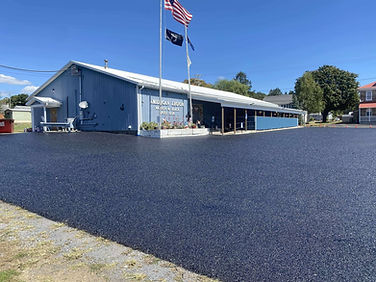
Cove Asphalt Sealing uses a premium asphalt-based rejuvenating sealer because ordinary surface-only coatings do not offer the same approach to preserving aging pavement. The focus is on helping homeowners and commercial property owners protect sound asphalt before replacement becomes the conversation. Proper preparation, attention to surface condition, and a high-quality material are what create the deep black, freshly paved appearance while supporting longer pavement life.
For commercial properties, this approach can be especially useful. Parking areas see more traffic, turning movements, and vehicle fluids than a typical residential driveway. A well-maintained, dark black asphalt surface presents the property better while helping management stay ahead of avoidable deterioration.
When Sealing Should Wait
A trustworthy asphalt specialist should also tell you when sealing is not the next step. Pavement with widespread deep cracking, significant movement, soft areas, large potholes, or major drainage failures may need repairs first. Applying sealer over serious defects can make the surface look darker temporarily, but it will not restore lost structural strength.
New asphalt also needs adequate time to cure before it receives a protective treatment. The appropriate timing varies with the installation and conditions, so it is worth getting a professional recommendation rather than sealing too soon. The best maintenance plan is based on the actual pavement in front of you, not a one-size-fits-all schedule.
Salt is part of winter in central Pennsylvania, but severe driveway damage does not have to be. Protecting asphalt while it is still in maintainable condition gives you a better chance of keeping cracks smaller, preserving a smoother surface, and enjoying the deep black look of a cared-for driveway. If winter has left your pavement faded, dry, or rough, a no-pressure professional estimate can help you decide whether now is the right time to protect it.
Comments