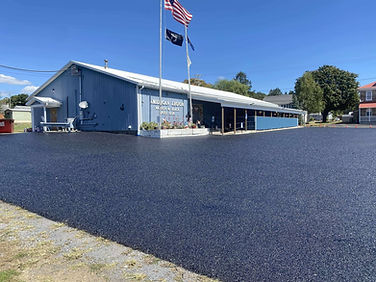
Faded Pavement Restoration Case Study Results
A driveway can look worn out long before it is beyond saving. In this faded pavement restoration case study, a central Pennsylvania asphalt surface had lost its rich black color, felt dry and brittle, and showed the early signs of weather-related wear that often lead to cracking and costly repairs.
The owner did not need a replacement driveway. They needed the right kind of preservation while the asphalt was still structurally sound. That distinction matters. A quality asphalt restoration treatment can help protect aging pavement from further oxidation, moisture, salt, and sun exposure while bringing back the deep black appearance homeowners want.
The Starting Point: Faded, Dry, and Exposed Asphalt
This residential driveway had been exposed to years of Pennsylvania weather. Sunlight had oxidized the binder near the surface, rain and freeze-thaw cycles had worked into small openings, and winter road salt had added another source of stress. The driveway was still serviceable, but it no longer had the flexibility and dark appearance associated with healthier asphalt.
From the street, the surface looked gray rather than black. Up close, it had a dry, weathered texture with light surface wear in the wheel paths and along the edges. There were no major pavement failures requiring removal or replacement, but waiting several more seasons would have made small problems more expensive to address.
This is often the best time to act. Asphalt preservation is most effective before widespread cracking, deep depressions, or major surface unraveling take hold. Once pavement has lost too much material or has significant structural damage underneath, a protective treatment cannot reverse those issues. But when the asphalt is faded and oxidized while still fundamentally stable, restoration can be a practical investment.
Why Ordinary Sealer Was Not the Right Fit
Many property owners assume every black driveway coating performs the same job. It does not. Ordinary water-based sealers generally sit on top of the pavement and can leave a dull black finish that may show blue, brown, or white hues as it dries and wears. That approach may improve appearance temporarily, but it does not offer the same level of asphalt-focused restoration.
For this faded pavement restoration case study, the better approach was a premium asphalt-based rejuvenating sealer. Rather than simply covering the surface, this material is designed to penetrate into the weathered asphalt and help restore lost compounds near the top of the pavement.
That penetration matters because fading is not only a color problem. It is evidence that the asphalt binder has been affected by oxidation and exposure. A quality rejuvenating treatment addresses the surface in a more meaningful way while also creating a rich, freshly paved sheen.
The goal was not to make the driveway look artificially painted. The goal was to improve its appearance while helping protect the asphalt against the conditions that cause aging in the first place.
Preparing the Surface for Lasting Results
A premium material cannot overcome poor preparation. Before treatment, the driveway needed to be evaluated, cleaned, and readied so the sealer could perform as intended.
Loose debris, dirt, and vegetation were removed from the asphalt surface and edges. Areas with oil or fuel contamination required special attention because contaminants can interfere with adhesion and penetration. Small cracks and open joints were also reviewed before sealing. A rejuvenating sealer helps preserve asphalt, but it is not a substitute for addressing cracks that are already allowing water into the pavement.
Timing was also part of the decision. Asphalt sealing should be completed during suitable weather conditions, with adequate drying time and no immediate rain forecast. Central Pennsylvania weather can shift quickly, so proper scheduling helps protect both the finish and the investment.
This preparation stage is one reason professional work tends to look better and last better. The visible result is important, but the work done before the material is applied has a direct effect on how evenly the surface restores.
The Restoration Process
Once the driveway was clean, dry, and prepared, the asphalt-based rejuvenating sealer was applied in a controlled, even coat. The material was worked across the pavement to provide consistent coverage without heavy buildup, missed edges, or uneven appearance.
The change was visible quickly. The faded gray tone gave way to a deep black finish with the fresh paved sheen that many homeowners want when they invest in driveway maintenance. More importantly, the finish was tied to a material selected for preservation, not simply short-term color.
As the treatment cured, the driveway took on a more uniform appearance. Minor surface variation from years of exposure did not disappear entirely, because no preservation treatment should be represented as a replacement for new asphalt. Still, the overall improvement was substantial: darker color, cleaner curb appeal, and a surface that looked cared for rather than neglected.
What Changed After Restoration
The most immediate result was visual. The driveway looked newer, sharper, and better matched to the home. Faded asphalt can make an otherwise well-kept property appear tired. Restoring its black finish improved the first impression from the road without the cost and disruption of a full replacement.
The longer-term value was protection. The rejuvenating sealer helped shield the surface from ongoing UV exposure, water intrusion, road salt, fuel drips, and the gradual oxidation that makes asphalt dry and brittle. Those threats cannot be eliminated entirely in Pennsylvania, especially through freezing winters and hot summer sun. They can, however, be managed with timely maintenance.
This is the trade-off homeowners should understand. Asphalt sealing and rejuvenation are preservation services, not miracle cures. They work best on pavement that still has a sound base and manageable surface wear. If a driveway has severe alligator cracking, major potholes, or widespread structural movement, it may need more extensive repair than sealing alone can provide.
For a faded but stable driveway, though, restoration is often the more sensible choice. It improves curb appeal now and may help delay the conditions that push pavement closer to replacement.
Why Timing Makes the Difference
A common mistake is waiting until asphalt looks severely damaged before scheduling maintenance. By that point, water may already be entering open cracks and weakening the pavement beneath the surface. The cost of repair rises quickly when deterioration moves below the top layer.
The better approach is to watch for early warning signs: color fading from black to gray, a dry or rough texture, light surface unraveling, small cracks, and areas that hold water longer than they should. These do not always mean a driveway is failing, but they do mean it deserves a professional assessment.
For homeowners and property managers across central Pennsylvania, preventive asphalt care is usually easier to plan and budget for than major repair work. Cove Asphalt Sealing helps residential and commercial customers evaluate whether their pavement is a strong candidate for premium sealing and rejuvenation before avoidable wear becomes a larger expense.
A Better Standard for Pavement Appearance and Protection
This case study shows why the material matters as much as the color. A driveway can be black for a short time after almost any coating, but a better asphalt-based treatment is designed to do more than change the surface appearance. It supports asphalt preservation while delivering the deep, fresh paved look that ordinary water-based products often cannot match.
If your driveway or parking area has faded but remains in generally sound condition, do not assume replacement is the only option. A professional evaluation can clarify whether targeted crack repair and a penetrating rejuvenating sealer can help protect the pavement you already have. Acting while the surface is still recoverable is often the most practical way to protect curb appeal, control long-term costs, and keep asphalt looking like it belongs on a well-maintained property.
Comments