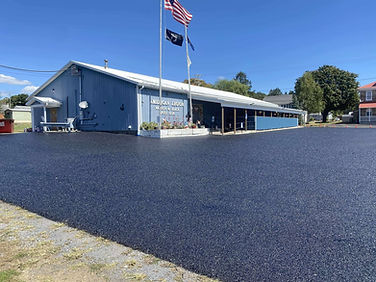
How to Extend Asphalt Lifespan
A driveway usually does not fail all at once. It starts with fading, then the surface turns dry and brittle, small cracks open up, and water begins working its way in. If you want to know how to extend asphalt lifespan, the answer is not waiting until damage is obvious. The best results come from protecting asphalt early, before oxidation, moisture, salt, and traffic turn minor wear into major repair.
In central Pennsylvania, asphalt takes a beating. Freeze-thaw cycles, road salt, UV exposure, rain, fuel drips, and daily traffic all chip away at the surface over time. That is why long-term pavement performance depends less on a single repair and more on a smart maintenance schedule.
How to Extend Asphalt Lifespan Starts With Prevention
Asphalt contains oils and binders that help keep the pavement flexible. As those compounds break down from age and weather, the surface loses elasticity. That is when it starts to look gray, feel dry, and crack more easily under pressure.
Many property owners make the mistake of treating asphalt maintenance as a cosmetic extra. It is not. A quality protective treatment helps slow oxidation, limit water intrusion, and reduce the kind of surface wear that leads to expensive patching or replacement later. If the goal is to keep a driveway or parking lot in service longer, prevention is usually the better value.
This is where material choice matters. Not all sealers protect asphalt the same way. Ordinary surface coatings can improve color for a while, but they may sit on top without doing much to replenish what aging asphalt has lost. A premium asphalt-based rejuvenating sealer works differently. It penetrates the pavement, helps restore lost compounds, and protects the surface against the conditions that make asphalt brittle and vulnerable.
The Biggest Threats to Asphalt Longevity
Water is one of the most damaging forces asphalt faces. Once moisture enters cracks or weak spots, it can soften the base, widen damage, and create bigger failures during freeze-thaw cycles. Even a small crack can become a much more expensive issue after one hard winter.
Oxidation is another major problem. Sunlight and air slowly dry out the pavement, causing the asphalt to lose flexibility. That is why older driveways often fade from deep black to dull gray before they begin cracking more aggressively.
In Pennsylvania, road salt adds another layer of stress. Salt and moisture together accelerate surface wear, especially on driveways and parking lots that already have minor cracks or porous areas. Gasoline and oil spills can also weaken sections of pavement, particularly in commercial settings or around parking areas where vehicles sit for long periods.
Traffic load matters too, but it depends on the property. A residential driveway may age mostly from weather and neglect, while a commercial lot may deal with turning tires, repeated stopping, and higher daily use. The maintenance approach should match the actual demands on the surface.
Seal Before the Surface Gets Too Far Gone
One of the most effective answers to how to extend asphalt lifespan is simple - do not wait until the surface looks rough enough to worry you. By that point, the pavement has often already lost a lot of its protective qualities.
A properly timed sealing schedule helps preserve flexibility and reduce exposure to water, UV rays, salt, and spills. It also improves appearance, which matters more than many people think. A rich, dark finish is not just about curb appeal. It is often a sign that the surface has renewed protection instead of being left exposed to the elements.
There is also a visible difference between products. Standard water-based sealers can leave a flatter, duller black and sometimes show blue, brown, or whitish tones as they weather. A premium asphalt-based rejuvenating sealer produces a deeper black finish with a fresh paved sheen while also delivering better preservation. That combination of protection and appearance is a big reason many homeowners and property managers choose a higher-quality treatment instead of the cheapest option.
Crack Repair Is Not Optional
If cracks are already present, they need attention before sealing. Sealing over open cracks does not solve the underlying problem. Water will still find a way in, and the damage beneath the surface can continue.
Small cracks caught early are usually manageable. Larger cracks, spreading patterns, or areas with edge breakdown may need more involved repair. This is one of those situations where timing matters. The longer cracking is ignored, the more likely the pavement will need patching instead of simpler maintenance.
For homeowners, this often means checking the driveway at least once or twice a year, especially after winter. For commercial properties, regular inspection is even more important because small defects can spread faster under heavier use.
Drainage Can Add Years or Subtract Years
A lot of asphalt damage gets blamed on age when drainage is really the problem. If water sits on the surface after rain or snowmelt, the pavement is under more stress than it should be. Standing water increases penetration into weak spots and can speed up cracking, raveling, and base damage.
Good drainage does not always require a major fix, but it does require attention. Keep edges clear, avoid letting soil build up over the pavement line, and watch for low spots that hold water. On commercial surfaces, drainage patterns should be monitored so runoff is not repeatedly collecting in the same areas.
If you are trying to extend pavement life, keeping water moving off the surface is one of the smartest things you can do.
Routine Care Makes a Bigger Difference Than Most People Expect
Asphalt lasts longer when basic maintenance is consistent. That includes keeping the surface clean, removing debris that traps moisture, and cleaning up fuel or oil drips before they sit too long. Dirt and organic buildup may seem harmless, but they can hold moisture against the pavement and hide early signs of trouble.
Snow removal also matters in this region. Sharp plow edges, repeated scraping, and deicing practices can all affect asphalt over time. The goal is not to avoid winter maintenance. It is to use methods that protect the surface rather than slowly tear it up.
For driveways, heavy concentrated loads can shorten lifespan as well. Parking the same heavy vehicle in one exact spot for years or letting dumpsters or equipment rest on the edge of asphalt can create premature stress. For parking lots, the same principle applies at a larger scale.
Residential and Commercial Asphalt Need Different Strategies
A homeowner in Blair County may be mostly focused on curb appeal, cracking, and getting more years out of a driveway before major repairs are needed. A property manager in Centre County may care more about maintaining a professional appearance, reducing liability from deteriorating pavement, and controlling long-term maintenance costs across a larger lot.
The core principles are the same, but the schedule and priorities can be different. Residential asphalt often benefits most from early preservation and timely crack repair. Commercial asphalt may need more frequent monitoring because traffic patterns, fuel exposure, and wear points are less forgiving.
That is why local conditions and property type should shape the maintenance plan. Across service areas like Blair County, Bedford County, and Centre County, weather exposure and winter conditions make proactive surface protection especially worthwhile.
Why Better Materials Help Asphalt Last Longer
The phrase how to extend asphalt lifespan usually leads people to timing, but product quality is just as important. If a treatment only changes the look of the surface for a short period, it may not give the pavement the preservation benefits owners are actually paying for.
A better material does more than darken the top layer. It should help defend against oxidation, moisture, salt, UV exposure, and surface unraveling while supporting the flexibility that aging asphalt gradually loses. That is the difference between a maintenance service that mainly covers the surface and one that helps preserve it.
For property owners who care about both appearance and durability, that difference shows up in two ways. The asphalt keeps a deeper, fresher paved look, and it stands a better chance of avoiding early deterioration.
In central Pennsylvania, many homeowners and businesses are not looking for the cheapest short-term fix. They want pavement to last longer, look better, and hold up through the seasons. That is the practical value of choosing an asphalt preservation approach instead of an ordinary coating approach.
If your driveway or parking lot is starting to fade, dry out, or show early cracking, the best time to act is before those issues spread. Quality maintenance done at the right time is almost always less costly than waiting for replacement to become the only option.
Comments