How to Extend Driveway Life the Right Way
- 10 hours ago
- 6 min read
A driveway usually starts telling on itself before most homeowners notice. The deep black fades to gray. Fine cracks show up along the edges. Water sits a little longer after rain. If you are wondering how to extend driveway life, the best answer is simple: protect asphalt before small signs of wear turn into expensive damage.
In central Pennsylvania, that matters even more. Asphalt takes a beating from freeze-thaw cycles, road salt, summer sun, rain, and daily traffic. Once oxidation dries the surface out and water starts working its way in, deterioration tends to speed up. The goal is not just making a driveway look darker for a season. The goal is keeping the pavement flexible, protected, and in better shape for longer.
What shortens asphalt driveway life
Most driveway damage does not start with one major event. It builds over time. Sun exposure pulls essential oils and binders out of the asphalt. That makes the surface more brittle. Water enters small openings, then expands during freezing weather. Salt and chemical exposure add more stress. Vehicle weight, especially in the same parking spots, compounds the problem.
That is why an asphalt driveway can look mostly fine one year and noticeably older the next. Fading is not just cosmetic. It is often an early sign that the surface is drying out and losing resilience. Once that happens, cracks, raveling, and surface breakdown become much more likely.
How to extend driveway life with preventive maintenance
If you want real longevity, maintenance needs to happen before the driveway looks severely worn out. Waiting until cracking is widespread usually means you are already behind.
The most effective approach starts with routine inspection. Walk the driveway a few times a year and look for hairline cracks, edge wear, standing water, fuel spots, and areas where the color has gone from rich black to dull gray. These are early warnings, and they are much cheaper to address than widespread failure.
Cleaning also plays a bigger role than many people think. Leaves, dirt, and built-up debris trap moisture on the surface. Oil and fuel drips can soften asphalt in localized areas. Keeping the driveway clean helps you spot problems sooner and reduces the conditions that speed up wear.
Drainage matters too. If water regularly pools on the surface or runs toward the edges, the driveway is under more stress every time it rains or snows. Good maintenance cannot change every drainage issue, but identifying wet spots early helps you understand where extra attention may be needed.
Why sealing quality makes a big difference
Not all sealing does the same job. This is where many property owners lose years of potential pavement life without realizing it.
Ordinary surface coatings are often chosen because they are familiar and inexpensive. The problem is that many of them mainly sit on top of the asphalt. They may darken the surface for a while, but they do not always do much to replenish what aging asphalt has lost. Some water-based products also leave a flatter, duller black appearance that can develop off-color hues instead of the richer look homeowners expect.
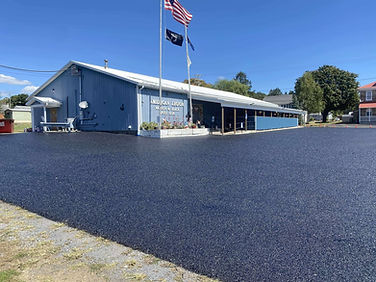
A premium asphalt-based rejuvenating sealer works differently. Rather than acting like a basic topcoat, it penetrates the pavement and helps restore lost compounds in aging asphalt while adding a layer of protection against oxidation, UV exposure, water intrusion, road salt, fuel drips, and surface unraveling. That difference matters when your goal is preservation, not just appearance.
A better material also tends to deliver a better finish. Homeowners usually want protection, but they also want the driveway to look cared for. A deep black finish with a fresh paved sheen gives you that visible improvement without sacrificing long-term value.
Timing matters more than people expect
One of the biggest mistakes homeowners make is waiting too long to seal or protect their driveway. There is a window where asphalt is still in good enough condition to respond well to preservation. Once cracking becomes extensive or the surface starts breaking apart, maintenance options narrow.
That does not mean every driveway should be treated on the exact same schedule. It depends on age, sun exposure, traffic, drainage, and overall condition. A newer driveway may need a different timeline than one that has already gone several seasons with no protection. The key is evaluating the actual pavement rather than following a one-size-fits-all rule.
For many properties, earlier preventive care leads to better results than trying to rescue heavily neglected asphalt later. That is especially true in places like Blair County, Bedford County, and Centre County, where winter weather and seasonal swings can accelerate deterioration.
Crack care is not optional
Even small cracks deserve attention. They are one of the clearest signals that water has a path into the pavement structure. Once water gets below the surface, freeze-thaw cycles can widen the damage quickly.
There is some nuance here. A few minor surface cracks do not always mean the driveway is near failure. But ignoring them because they seem minor is usually what turns a manageable issue into a larger repair. Early crack treatment helps preserve the surrounding asphalt and supports the performance of the protective sealer applied over time.
If a driveway has widespread cracking, crumbling edges, or signs of more advanced structural issues, the right approach may differ from a driveway that is mostly sound with only light aging. That is why a professional evaluation is worth it. Good asphalt preservation is not guessing. It is matching the treatment to the condition.
Daily habits that help your driveway last longer
Extending driveway life is not only about professional maintenance. A few simple habits make a real difference over time.
Try not to park heavy vehicles in the exact same spot every day if the asphalt is aging. Avoid turning the steering wheel while the vehicle is stopped, especially in hot weather, because that can scuff and stress the surface. Clean up fuel or oil spills reasonably quickly. Keep the edges clear so grass and roots do not start breaking into the pavement line.
Snow removal matters too. Use care with metal blades and avoid repeatedly scraping the same edges aggressively. Winter maintenance should protect the surface, not wear it down faster.
These steps will not replace sealing and crack care, but they do reduce unnecessary strain. Think of them as helping good professional maintenance work even better.
For homeowners, appearance and protection go together
A lot of property owners start thinking about driveway maintenance because the surface looks faded. That is understandable. Curb appeal matters, and a gray, weathered driveway can make the whole property look older.
But appearance should be seen as a clue, not the only goal. When asphalt loses its rich black color, it is often telling you that oxidation is underway. Restoring that darker finish with the right material is valuable because it looks better and because it often comes with the kind of protection that helps slow future wear.
That is the real advantage of high-quality asphalt preservation. You are not choosing between looks and performance. Done correctly, you get both.
Local conditions make professional guidance worth it
Central Pennsylvania driveways face a very specific set of conditions. Long winters, snow and ice treatment, wet seasons, summer heat, and repeated temperature swings all affect how asphalt ages. A maintenance plan that makes sense in another region may not be the best fit here.
That is why local experience matters. Property owners looking for long-term protection often benefit from working with a specialist who understands how asphalt behaves across this region and uses materials designed for preservation, not just quick surface darkening. For broader local service information, homeowners in Blair County, Bedford County, and Centre County often start by reviewing county-level coverage and what is available in their area.
Cove Asphalt Sealing focuses on that preservation mindset. The emphasis is not on a generic coating that simply changes the color for a short time. It is on using a premium asphalt-based rejuvenating sealer that helps protect the pavement, improve curb appeal, and support a longer service life.
If you have been asking how to extend driveway life, the answer usually comes down to acting earlier, using better materials, and treating asphalt like an asset worth protecting. A driveway does not need to be failing before it deserves attention. Often, the smartest time to preserve it is when it still has plenty of life left to save.
Comments