Better Alternatives to Water Based Sealers
A driveway can tell you pretty quickly what kind of sealer was used on it. If the surface looks flat, dull, or starts fading back out too soon, there is a good chance it was coated with a standard water-based product. Homeowners looking for better alternatives to water based sealers are usually asking a smart question at the right time - before more oxidation, cracking, and surface wear take hold.
For asphalt in central Pennsylvania, that question matters. Between UV exposure, rain, freeze-thaw cycles, road salt, and vehicle traffic, pavement takes a beating. The wrong material may darken the surface for a while, but appearance alone is not the same as preservation.
Why homeowners look for better alternatives to water based sealers
Water-based sealers are common because they are familiar and widely used. They can improve color at first, and for some property owners that initial black finish is what gets attention. The problem is that many of these products work more like a surface coating than a true asphalt treatment.
That distinction matters because asphalt does not just need to be covered. As it ages, it loses the oils and compounds that help keep it flexible and resilient. Once that happens, the pavement becomes more brittle. Brittle asphalt is more likely to crack, allow water intrusion, and continue breaking down under weather and traffic.
A basic water-based coating may sit on top of the pavement without doing much to address that underlying loss. It can also leave behind a duller finish, and sometimes the color leans off-black with blue, brown, or whitish tones instead of a rich, fresh paved look. If your goal is both protection and curb appeal, that is usually where disappointment starts.
What makes an alternative actually better
Not every sealer that is not water-based is automatically a better choice. A better product should do more than change color for a season. It should help protect the asphalt from the things that shorten pavement life in the first place.
That includes oxidation from sun exposure, water penetration, salt exposure, fuel drips, and gradual surface unraveling. It should also improve the look of the pavement in a way that feels clean and substantial, not thin or temporary.
The strongest alternatives are asphalt-based rejuvenating sealers. Instead of acting like a simple film across the top, these products are designed to penetrate the pavement and restore some of what aging asphalt has lost. That is a big difference in both function and results.
The difference between coating and rejuvenating
Think of it this way. A coating mostly changes the top layer. A rejuvenating sealer goes further by absorbing into the asphalt and helping recondition the surface. That does not make old pavement new again, and it is not a fix for major structural failure. But for asphalt that is aging, drying out, and starting to lose flexibility, it is a much smarter preventive treatment.
This is why asphalt preservation specialists tend to put more emphasis on material quality than on price alone. If the product does not penetrate and protect, the lower upfront cost can disappear fast when cracking and deterioration continue.
Asphalt-based rejuvenating sealers are the best fit for most asphalt surfaces
For most residential driveways and many commercial asphalt surfaces, the best alternative to ordinary water-based sealers is an asphalt-based rejuvenating sealer. It is better aligned with what asphalt actually needs over time.
Asphalt is petroleum-based. When a compatible asphalt-based treatment penetrates the surface, it helps replenish lost compounds and slow down the drying and oxidation process. That can help the pavement hold up better against seasonal stress, especially in areas like Blair County, Bedford County, and Centre County where winter weather and freeze-thaw conditions are part of life.
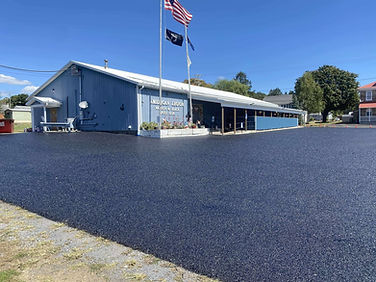
The visual difference is noticeable too. A premium asphalt-based rejuvenating sealer gives pavement a deeper black finish with a fresh paved sheen. That matters for homeowners who want the driveway to look cared for, and it matters for commercial properties where first impressions start in the parking lot.
Where water-based products fall short
The biggest weakness with many water-based sealers is not that they do nothing. It is that they often do less than people assume. They may provide a surface refresh, but they usually do not offer the same level of penetrating restoration or long-term preservation.
That creates a trade-off. If someone only wants the cheapest short-term cosmetic update, they may accept that kind of result. But if the goal is extending pavement life, reducing the pace of surface wear, and getting a richer finish, a better material is worth it.
This is especially true for asphalt that already shows signs of aging such as graying, dryness, or early brittleness. On that kind of surface, a simple topcoat can be underwhelming. A rejuvenating sealer is more likely to match the condition of the pavement and the owner's long-term goals.
Better protection matters more than a lower upfront price
Sealcoating decisions often get reduced to price, and that is where a lot of property owners end up with ordinary products that do not deliver much beyond short-lived color. The better question is what the sealer is doing for the asphalt after application.
If a premium material helps protect against water intrusion, UV damage, salt, fuel exposure, and oxidation while also improving appearance, that is real value. It can help delay more expensive repairs and preserve the surface longer. That does not mean every driveway will age at the same rate, because traffic, drainage, sun exposure, and existing condition all play a role. But material quality absolutely affects the outcome.
For homeowners, that can mean fewer worries about the driveway drying out and looking worn before it should. For commercial properties, it can mean a more professional-looking surface and a better maintenance strategy over time.
When the best alternative depends on pavement condition
There is always an it depends factor with asphalt. If the pavement is still in decent shape and the main concern is preserving it before major damage starts, a premium asphalt-based rejuvenating sealer is often the right move. If the surface has widespread cracking, edge failure, or more advanced deterioration, sealing alone may not solve the whole problem.
That is why honest evaluation matters. Good asphalt maintenance is not about putting the same product on every surface and calling it done. It is about matching the treatment to the pavement's actual condition.
For many driveways and parking areas, the sweet spot is early intervention. When the asphalt is starting to fade and dry but has not yet reached severe failure, a penetrating rejuvenating treatment can do a lot more good than a basic coating applied too late or chosen just for price.
Why finish quality should not be ignored
Some contractors talk only about protection, while others talk only about appearance. Property owners care about both, and they should. If you are investing in sealing, you want the pavement protected and you want it to look noticeably better.
This is another area where better alternatives to water based sealers stand out. Water-based products can leave a flatter, duller black and sometimes show off-colors that do not resemble fresh asphalt. A premium asphalt-based rejuvenating sealer typically produces a darker, richer look with more of that fresh paved sheen people actually want.
That finish is not just cosmetic vanity. It is part of the value of maintaining your property well. A clean, deep black driveway adds curb appeal. A well-finished commercial asphalt surface gives visitors, customers, and tenants a better first impression.
Choosing a local asphalt preservation specialist
The material matters, but so does who applies it. A local specialist who focuses on asphalt preservation will usually be more selective about product quality and more realistic about what your pavement needs.
That is especially important in central Pennsylvania, where seasonal conditions can be hard on asphalt. Property owners in areas served through Blair County, Bedford County, and Centre County often need maintenance that is built around real weather exposure, not generic one-size-fits-all recommendations.
Cove Asphalt Sealing focuses on premium asphalt protection for residential and commercial surfaces using a rejuvenating asphalt-based sealer designed to penetrate, protect, and restore appearance. That approach makes more sense for property owners who want longer-term value, not just a quick dark coating on the surface.
If you have been comparing products and wondering whether there are better alternatives to water based sealers, there are. The better option is usually the one that works with the asphalt, not just on top of it. When a sealer penetrates, restores, protects, and leaves behind a deep black finish with a fresh paved sheen, the difference is easy to see and even more important over time. A well-maintained driveway or parking lot does not just look better this season - it stands a better chance of lasting longer too.
Comments