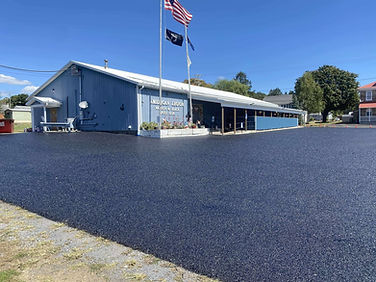
Parking Lot Sealing in State College
- 6 days ago
- 5 min read
A parking lot in State College takes more abuse than most property owners realize. Between freeze-thaw cycles, road salt, rain, UV exposure, and steady traffic, asphalt starts drying out long before major cracks and potholes show up. That is why parking lot sealing in State College is not just about appearance. It is a practical way to protect pavement before wear turns into expensive repair.
For retail centers, office buildings, apartments, churches, and other commercial properties, the condition of the lot shapes first impressions fast. Faded gray asphalt, early cracking, and a rough surface make a property look older and less cared for. A properly treated surface looks cleaner, darker, and better maintained, but the real value is what happens below that finish. The right material helps defend the asphalt against oxidation, water intrusion, salt, fuel drips, and surface breakdown.
Why parking lot sealing in State College matters
State College weather is hard on asphalt. Winter moisture works into small openings, then expands when temperatures drop. In warmer months, sun exposure dries out the pavement and pulls out the oils that help asphalt stay flexible. Add traffic and turning tires, and the surface starts getting brittle.
That brittleness is the part many property owners miss. Asphalt usually does not fail all at once. It gradually loses resilience, fades, dries out, and becomes more prone to cracking and unraveling. By the time the damage is obvious, the cost to correct it is much higher.
Parking lot sealing in State College makes the most sense when the asphalt is still structurally sound but beginning to show age. That timing matters. Sealing is a preservation service, not a cure for pavement that is already too far gone. When applied at the right stage, it helps slow deterioration and can extend the useful life of the lot.
Not all sealers protect asphalt the same way
This is where property owners should pay attention. A lot of ordinary sealers mainly sit on the surface. They can darken the pavement for a while, but they do not always offer the same level of long-term asphalt preservation. Some water-based products also leave a flatter, duller look that can fade unevenly and sometimes show blue, brown, or whitish hues.
A premium asphalt-based rejuvenating sealer works differently. Instead of acting like a basic top coat, it penetrates the pavement and helps restore compounds asphalt loses as it ages. That matters because aging asphalt is not only changing color. It is losing the flexibility and protection that help it resist cracking, oxidation, water, salt, and daily wear.
The finish also looks better. A higher-quality asphalt-based treatment leaves a deep black color with a fresh paved sheen, not the washed-out look some cheaper products leave behind. For commercial properties, that visual difference is immediate. For the pavement itself, the bigger advantage is stronger preservation.
What property owners should expect from a quality sealing service
A good parking lot sealing job should improve both appearance and protection. If it only looks darker for a short time, that is not much value. The real goal is helping the asphalt hold up better through Pennsylvania weather and regular use.
When a parking lot is treated with a premium rejuvenating sealer, property owners can expect the surface to look cleaner and richer in color while gaining a layer of defense against common causes of deterioration. That includes UV exposure, rain, snow, road salt, and fuel or oil drips that often show up around parked vehicles.
That said, every lot is different. A lightly used office lot and a busy retail lot do not age the same way. The size of the lot, existing wear, drainage patterns, and traffic volume all affect timing and results. Sealing is a smart preventive step, but it works best when the pavement is evaluated honestly and maintained before damage accelerates.
Timing makes a big difference
One of the biggest mistakes commercial property owners make is waiting until the lot looks rough from the road. At that point, the asphalt may already be much more dried out and vulnerable than it appears. Surface fading is often an early warning sign, not just a cosmetic issue.
The better approach is to treat the lot while it still has good structure and before cracking spreads. That usually gives the best return because preservation costs far less than major repair or replacement. If a lot already has problem areas, those should be addressed first so sealing becomes part of a broader maintenance plan instead of a last-minute fix.
Curb appeal is not a small thing for commercial asphalt
A dark, well-kept lot changes how a property is perceived. Tenants notice it. Customers notice it. Visitors may not think about asphalt in a technical way, but they absolutely notice when a parking lot looks fresh versus tired.
That is one reason premium parking lot sealing is a strong value for commercial properties in State College. You are not just trying to make old asphalt black again. You are improving the presentation of the whole property while helping protect one of its most used exterior surfaces.
For businesses and managers responsible for multiple property details, that combination matters. It is easier to justify maintenance when it improves appearance immediately and helps reduce the chances of bigger pavement costs later.
Why local conditions in Centre County matter
State College is not a market where generic advice works very well. Local weather patterns, winter treatment, and seasonal temperature swings all affect asphalt performance. A preservation plan that makes sense in a milder climate may not be enough here.
That is why working with a company that understands Centre County conditions matters. Property owners looking for broader local service information can explore asphalt sealing in Centre County, and businesses with properties in nearby areas may also want to review service coverage in Blair County and Bedford County. Local knowledge helps with practical decisions like when to schedule service, what kind of wear to watch for, and how to protect asphalt before seasonal stress gets worse.
How to tell if your lot is a good candidate
Most lots do not need replacement as soon as they start looking worn. In many cases, a parking lot is a strong candidate for sealing if the surface is fading, the color has shifted from black to gray, and the asphalt is showing age but still has sound overall structure.
Small cracks, early oxidation, and a dry-looking surface often signal that it is time to act. On the other hand, if the pavement has severe structural failure, widespread breakup, or major base problems, sealing alone will not solve it. That is where a straightforward assessment matters. Good asphalt maintenance is about doing the right service at the right time, not overselling a treatment that is not a fit.
Choosing value over the cheapest option
For commercial properties, the low bid is not always the low cost. Cheaper materials may give a temporary color change, but if they do not penetrate and protect the asphalt well, the pavement may continue drying out underneath. That means the property owner pays for appearance without getting the same level of preservation.
A premium asphalt-based rejuvenating sealer costs more for a reason. It is designed to do more than sit on top. It helps restore, protect, and improve the look of the pavement in a way ordinary sealers often do not match. Over time, that can mean better surface performance, better curb appeal, and fewer headaches as the lot ages.
For property owners in State College, that is usually the smarter conversation to have. Not what is cheapest today, but what helps the asphalt last longer and look better while it does.
If your parking lot is starting to fade, dry out, or lose that clean finished look, this is the right time to evaluate it. A well-timed sealing service can protect the pavement you already have, improve the appearance of your property, and help you avoid more expensive problems later.
Comments