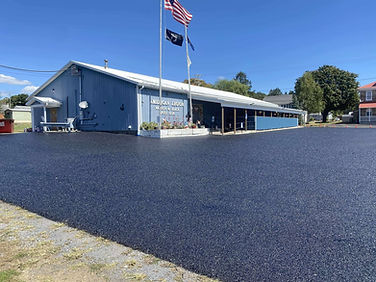

Premium Driveway Sealer That Lasts Longer
A driveway usually gives warning signs before it fails. The rich black color fades to gray, the surface starts looking dry, and small cracks begin showing up along the edges and in low spots. By the time many property owners start thinking about sealing, the asphalt has already lost flexibility and begun to break down. That is why choosing a premium driveway sealer matters. The right material does more than darken the surface for a season. It helps protect the asphalt itself from the kind of damage that leads to much bigger repair costs later.
In central Pennsylvania, asphalt takes a beating. Sun exposure dries out the surface. Rain and snow work into weak areas. Freeze-thaw cycles widen small cracks. Road salt, vehicle fluids, and daily traffic add even more stress. If the sealer sitting on top of the driveway is only there for appearance, it will not do much to slow that process. A better product needs to work below the surface as well as above it. For property owners researching asphalt sealing, that difference is one of the biggest reasons material choice matters.
What makes a premium driveway sealer different
Not all sealers protect asphalt the same way. Ordinary water-based coatings tend to stay on the surface. They can improve color for a while, but they often produce a flatter, duller black and may even leave off-tones as they wear. More importantly, they are usually surface-level products. Once that outer layer starts to weather, the asphalt underneath is still vulnerable.
A premium asphalt-based rejuvenating sealer is different because it is designed to penetrate the pavement. Instead of acting like a simple topcoat, it helps restore some of the compounds aging asphalt loses over time. That matters because older asphalt gets dry and brittle. When pavement becomes brittle, it is more likely to crack, unravel, and absorb water.
This is where the trade-off becomes clear. A cheaper sealer may lower the upfront cost, but it often delivers a shorter-lived cosmetic result and less meaningful protection. A premium material usually costs more because it is doing more. It is protecting curb appeal, but it is also part of a smarter long-term maintenance plan.
Why asphalt deterioration starts earlier than most people think
Many homeowners assume a driveway is in good shape as long as there are no major potholes or wide cracks. In reality, the decline often starts well before obvious failure. Oxidation is one of the biggest reasons. As asphalt ages, it loses oils and flexibility. The surface becomes faded, dry, and increasingly fragile.
Water makes the problem worse. Once moisture gets into small openings, freeze-thaw weather can force those openings wider. Over time, what started as a minor surface issue can become cracking, edge breakdown, or even deeper damage. Salt, gasoline drips, and routine traffic only speed things up.
That is why a premium sealing approach is often most valuable before a driveway looks terrible. Preventive maintenance is usually far less expensive than waiting until repairs become unavoidable.
Premium driveway sealer and long-term protection
The real value of a premium driveway sealer is not just how it looks the week after application. It is how it helps the asphalt hold up through weather, traffic, and seasonal stress. A penetrating, asphalt-based rejuvenating sealer helps defend against oxidation, UV exposure, water intrusion, salt, fuel spills, and surface wear.
That does not mean any sealer can reverse severe damage or make failing pavement new again. If a driveway already has advanced cracking or structural issues, sealing is not a cure-all. But for asphalt that is still fundamentally sound, the right sealer can help preserve it longer and slow down the kind of deterioration that leads to major repairs.
For property owners, that often means fewer headaches and better value over time. A maintained driveway simply has a better chance of lasting than one left exposed year after year.
The finish matters too
Protection is the main reason to invest in better sealing, but appearance still counts. A driveway is one of the first things people notice when they pull up to a home. On commercial properties, the condition of the asphalt affects how the entire site feels. Faded, patchy pavement can make an otherwise well-kept property look neglected.
A premium asphalt-based sealer stands out here too. Instead of a chalky or dull finish, it leaves behind a deeper black color with a fresh-paved sheen. That look is one reason many homeowners and property managers immediately notice the difference between premium sealing and ordinary coating.
The visual benefit is not just about vanity. It supports curb appeal, property value, and pride of ownership. When the protection and the finish improve together, the investment makes more sense.
When a premium sealer is worth it
It depends on the condition of the pavement, the goals for the property, and how long you plan to keep the surface in service. If the asphalt is relatively sound and you want to protect it before cracking and brittleness get worse, premium sealing is a smart move. It also makes sense if appearance matters and you want more than a temporary black coating.
For residential driveways, this usually means sealing before the surface becomes heavily weathered. For commercial properties, it can be part of a broader maintenance strategy that keeps parking areas looking professional while helping reduce long-term deterioration.
Where it may be less effective is on pavement that has already moved far beyond preventive care. Large failures, widespread breakup, or severe cracking may call for repair work before sealing can provide meaningful value. A trustworthy contractor should be honest about that instead of applying product to asphalt that is already past the point of preservation.
What homeowners in central Pennsylvania should look for
In this region, weather is a major factor, so product quality matters. Property owners should ask what kind of sealer is being used and whether it penetrates and rejuvenates the asphalt or simply coats the top. That distinction is not marketing fluff. It affects both performance and finish.
You should also pay attention to how the contractor talks about the work. A specialist in asphalt preservation should be able to explain why the material is different, what kind of protection it offers, and where sealing fits into the life of your pavement. The goal should not be to sell the cheapest application possible. It should be to help the asphalt last longer and look better doing it.
For homeowners and property managers across Blair County, Bedford County, and Centre County, that local understanding matters. The same seasonal stress shows up across Cambria, Fulton, Mifflin, Somerset, Huntingdon, and Clearfield counties too, even though those county pages are not live yet.
That matters whether you are trying to protect a driveway in Bellwood, preserve asphalt in Everett, or stay ahead of wear in Pleasant Gap. Different properties age in different ways, but the same principle holds up: protect good asphalt before it turns into an expensive problem.
Better than ordinary sealcoating
A lot of companies talk about sealcoating as if all products are basically the same. They are not. The difference between a premium asphalt-based rejuvenating sealer and a basic water-based coating shows up in how the driveway looks, how the surface wears, and how well the asphalt is protected underneath.
That is an important distinction for anyone trying to avoid premature cracking or extend the life of an existing driveway. If the goal is simply to darken the pavement for a short time, a lower-grade product might seem fine. If the goal is real asphalt preservation, the material has to do more than sit on top.
That is where a results-driven company like Cove Asphalt Sealing separates itself. The focus is not generic sealcoating. It is higher-quality asphalt protection that penetrates, rejuvenates, and restores a fresh-paved look while helping defend the surface against the conditions that break it down.
Choosing value over short-term savings
The cheapest option is not always the least expensive in the long run. If a lower-grade sealer fades quickly, offers limited protection, or leaves the asphalt drying out underneath, the property owner may still face cracking and repair costs sooner than expected. Paying for better material and better application can be the more practical choice.
That is especially true when replacement costs are considered. A driveway or parking area is a major asset. Protecting it with a premium product is often a small fraction of what full replacement would cost later. Good maintenance does not eliminate every future expense, but it can buy valuable time and help pavement age more gracefully.
If your asphalt is starting to fade, dry out, or lose its clean finished look, that is usually the right moment to act, not the moment to wait. A premium driveway sealer makes the most sense when it is used to preserve good pavement before wear turns into serious damage.
Comments