Best Asphalt Protection for Winter in PA
A central Pennsylvania winter can do more damage to asphalt in a few months than a mild summer season. Snowmelt finds small cracks, overnight temperatures freeze that water in place, and road salt adds another layer of stress. The best asphalt protection for winter starts before the first hard freeze, while the pavement can still be cleaned, repaired, and properly treated.
For homeowners, that means fewer cracks spreading across the driveway and a better-looking entrance all winter. For commercial properties, it means a surface that is better prepared for salt, traffic, plowing, and repeated freeze-thaw cycles. The goal is not simply to make asphalt look black for a short time. It is to preserve the pavement underneath so it holds up longer.
Why Winter Is Hard on Pennsylvania Asphalt
Asphalt is not completely waterproof. As it ages, sunlight and oxygen gradually dry out the binders that help the pavement stay flexible. The surface begins to fade from black to gray, becomes more brittle, and develops tiny openings that allow water to enter.
That is where winter creates trouble. Water moves into hairline cracks and porous areas, then freezes and expands. When temperatures rise, it thaws and settles farther into the pavement. This freeze-thaw pattern can widen cracks, weaken the edges of a driveway, and eventually contribute to surface unraveling or potholes.
Salt is useful for managing ice, but it does not make old asphalt any easier to maintain. Salt water can work into existing openings and keep the surface exposed to moisture during a season when it may not have enough time to dry thoroughly. Snowplow blades, shovels, tire chains, and heavy turning traffic can also catch weak areas that were already deteriorating.
The Best Asphalt Protection for Winter Starts Before Winter
The most effective winter protection is preventive maintenance completed during suitable weather, not an emergency coating applied after snow arrives. Asphalt sealing materials need the right surface and weather conditions to cure as intended. Once temperatures stay cold or the pavement is wet, it is generally better to focus on keeping the surface clear and plan preservation work for the next favorable window.
Before winter, inspect the driveway or parking area closely. Look for open cracks, crumbling edges, faded sections, low areas that hold water, and places where the surface has begun to lose aggregate. Small defects are much easier and less costly to address before moisture reaches the base beneath the asphalt.
Crack repair matters because a sealer is not a substitute for repairing wide or active cracks. Filling appropriate cracks first helps limit direct water entry. If a section has deep structural failure, major depressions, or severe breakup, it may need a more specific repair plan before surface preservation makes sense.
Choose a Penetrating Asphalt-Based Sealer
Not all sealers protect asphalt in the same way. Ordinary water-based sealers mainly sit on top of the pavement as a surface coating. They can improve color for a time, but they do not offer the same asphalt-restoring benefit as a premium asphalt-based rejuvenating sealer designed to penetrate the pavement.
A penetrating asphalt-based material works into the upper surface of aging asphalt, helping restore some of the compounds lost through oxidation. That matters before winter because flexible, conditioned pavement is better positioned to handle seasonal stress than dry, brittle asphalt. The treatment also creates a protective barrier against water intrusion, UV exposure, road salt, fuel drips, and ongoing surface wear.
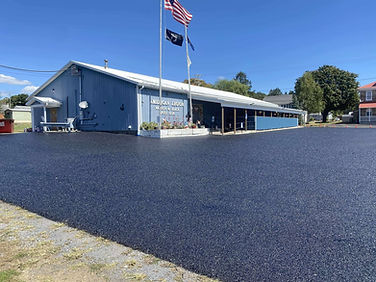
Appearance is part of the value as well. Premium asphalt-based rejuvenating sealer leaves a deep black finish with a fresh paved sheen. That is a noticeably different result from many water-based products, which can leave a dull black appearance or develop blue, brown, or white hues as they weather.
The right choice still depends on pavement condition. A sound driveway or parking lot with fading, oxidation, and minor surface wear is often a strong candidate for rejuvenating protection. Pavement with significant alligator cracking, deep potholes, or a failing base needs repairs evaluated first. Putting any sealer over serious structural problems may improve the color temporarily, but it will not correct what is happening below the surface.
Protect the Areas Winter Attacks First
Driveway edges, low spots, and high-traffic turning areas deserve extra attention. These are often the places where snowmelt collects, tires apply force, and the pavement begins to separate. Keep soil, mulch, and leaves from building up against the driveway edge, since trapped moisture can keep asphalt wet longer than it should be.
Drainage is equally important. If downspouts discharge directly onto asphalt, redirecting that flow away from the pavement can reduce repeated water exposure. A driveway that receives runoff from a slope may need a closer look at where water travels during rain and snowmelt. Preservation works best when the surface is not constantly being asked to handle standing water.
For parking lots, managers should pay attention to entrances, loading-adjacent areas, drive lanes, and corners where vehicles turn sharply. These spots often show wear first. Addressing them before winter can help avoid a spring season filled with preventable patching and complaints from tenants, customers, or employees.
Smart Winter Care After the Surface Is Protected
A professional sealing application is a strong first step, but winter habits still affect the pavement. Use plastic-edged shovels or properly adjusted snow removal equipment when practical, especially near driveway edges. Avoid repeatedly striking the pavement with metal blades, which can scrape already vulnerable areas.
Use de-icing products carefully and according to their directions. No winter product removes every risk, and excessive use can leave salt residue on the surface. When weather allows, clearing slush and standing water helps limit the amount of moisture available to enter cracks.
It also helps to avoid parking heavy vehicles in the same spot for long periods on a weakened driveway. Asphalt is more vulnerable when it is already soft from a warm spell or compromised by water underneath. Moving vehicles occasionally and keeping an eye on developing cracks can prevent a small issue from becoming a larger repair.
Timing Matters More Than a Last-Minute Fix
Many property owners call after the first snowfall because they suddenly notice how faded or cracked their asphalt has become. At that point, the best immediate move may be winter monitoring and planning, not applying a product in unsuitable conditions. Quality surface protection depends on dry pavement, appropriate temperatures, and enough curing time.
The better approach is to schedule an assessment in late summer or fall, before cold weather settles in. That gives time to clean the surface, address cracks, and apply a premium treatment under conditions that support a lasting result. It also means the driveway or parking lot enters winter looking refreshed rather than already worn down.
Cove Asphalt Sealing helps homeowners and commercial property owners across central Pennsylvania protect aging asphalt with a premium asphalt-based rejuvenating sealer, not a basic surface-only coating. The difference is visible in the deep black, fresh-paved sheen, but the bigger benefit is what happens below that finish: better conditioning and protection for the pavement you already own.
If your asphalt is fading, becoming brittle, or showing early cracks, do not wait for another freeze-thaw season to reveal the full extent of the damage. A straightforward evaluation before winter can help you decide whether preservation is the right next step and keep a costly replacement further down the road.
Comments