Is Asphalt Rejuvenation Right for Driveways?
A driveway can look worn out long before it is ready to be replaced. The deep black color fades to gray, the surface starts to feel dry and rough, and small cracks become easier to spot after a central Pennsylvania winter. So, is asphalt rejuvenation right for driveways? For many homeowners, it is a smart way to protect an aging but structurally sound driveway before oxidation, water, salt, and weather turn manageable wear into larger repair costs.
The key is understanding what rejuvenation can do - and what it cannot. A quality asphalt rejuvenating sealer is a preservation treatment, not a shortcut for pavement that has already failed. When the driveway still has a solid base and the damage is limited, the right material can restore protection, improve appearance, and help the asphalt hold up longer.
What asphalt rejuvenation does for a driveway
Asphalt contains binders that help hold its stone and sand together. Over time, sun exposure, rain, snow, road salt, temperature swings, and vehicle traffic pull those protective compounds out of the surface. The pavement becomes drier and more brittle. That is why an older driveway often develops a faded color, surface raveling, and fine cracks.
Asphalt rejuvenation is designed to address that aging process. Rather than simply placing a surface-only film over the pavement, a premium asphalt-based rejuvenating sealer penetrates the asphalt surface and helps restore lost compounds. It also forms a protective barrier against the elements that speed up deterioration.
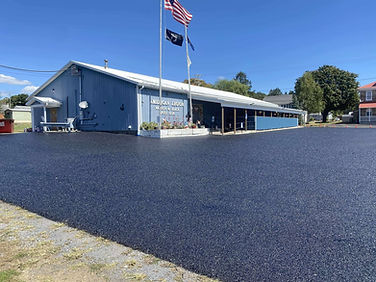
For a homeowner, the benefit is practical: a driveway that looks better now and has a better chance of avoiding premature decline. The finish should have a deep black color with a fresh paved sheen, not the flat, inconsistent look that can come with ordinary water-based sealers. Some water-based products can dry dull black or show blue, brown, or white hues, especially as conditions change. A premium asphalt-based treatment is chosen for both the protection it provides and the cleaner finished appearance it leaves behind.
Is asphalt rejuvenation right for your driveway?
Rejuvenation is usually a strong fit when the driveway is showing normal signs of age but remains fundamentally sound. Fading, light surface wear, early oxidation, small hairline cracks, and a dry or brittle appearance are all signs that preventive treatment may make sense.
It is especially valuable for homeowners who want to stay ahead of damage. Water is one of asphalt's biggest long-term problems. Once it enters cracks and reaches the base beneath the driveway, freeze-thaw cycles can widen the damage. Protecting the surface before water has an easy path inside is generally less expensive and less disruptive than waiting for major deterioration.
Driveways in Blair, Bedford, and Centre counties deal with real seasonal stress. Summer sun oxidizes the surface, winter moisture finds weak spots, and road salt can add to the wear. A driveway that sees those conditions year after year benefits from a maintenance plan built around preservation rather than neglect followed by replacement.
Good candidates for rejuvenation
A good candidate has a stable surface with no widespread structural failure. The asphalt may be gray, faded, dry, or beginning to show minor cracking, but it should still feel solid underfoot and under vehicles. The stone should remain well bonded in most areas, and the driveway should drain reasonably well rather than holding standing water for days.
Rejuvenation is also a good option for homeowners who care about curb appeal. The visual difference can be immediate. A treated driveway frames the home better, gives the property a more cared-for appearance, and restores the dark finish people associate with newer asphalt.
This treatment is not only about looks, though. The renewed appearance is paired with protection from UV exposure, moisture, road salt, fuel drips, and surface unraveling. That combination makes it a practical investment for a driveway that still has years of useful life left.
When rejuvenation is not enough
No sealer or rejuvenator can fix a driveway with serious structural damage. Large potholes, extensive alligator cracking, deep depressions, heaving, major edge failure, or widespread loose aggregate point to problems below the surface. In those cases, covering the driveway may improve its color temporarily, but it will not correct the underlying issue.
Drainage also matters. If water repeatedly flows across the driveway or pools in the same area, the source of the water problem should be addressed before expecting a surface treatment to perform at its best. Asphalt preservation works best when it is part of sensible property maintenance, not a substitute for correcting major failures.
A straightforward evaluation should separate cosmetic aging from structural trouble. That distinction protects homeowners from spending money on the wrong solution and helps ensure the driveway receives the treatment it actually needs.
Why the material matters more than the label
Not every product described as driveway sealer performs the same way. This is where many homeowners get disappointed. An ordinary coating may darken the pavement for a while, but a surface-only product does not necessarily provide the penetrating, restorative qualities needed by aging asphalt.
Cove Asphalt Sealing uses a premium asphalt-based rejuvenating sealer selected to penetrate and protect the pavement. The goal is not to make a tired driveway look black for a short period. The goal is to help preserve the asphalt, reduce exposure to the conditions that cause cracking and oxidation, and deliver a finish with a fresh paved sheen.
That difference matters because asphalt maintenance should be judged over more than the first few days after application. A driveway treatment should support longer pavement life while giving the property a visible upgrade. Homeowners should ask what material is being used, whether it is designed to penetrate the asphalt, and what preparation is included before application.
Timing can determine the value you get
The best time to rejuvenate asphalt is usually before the surface becomes severely brittle or broken. Waiting until the driveway is heavily cracked limits the value of any preservation treatment. Acting when fading and early wear first appear gives the asphalt more protection during the years when it can still respond well to maintenance.
There is no one schedule that fits every driveway. Exposure, drainage, vehicle traffic, tree cover, age, and previous maintenance all affect timing. A shaded driveway may stay damp longer. A sunny driveway may oxidize more quickly. A steep driveway can see more wear from braking and runoff, while a driveway used by heavier vehicles may need closer attention.
Most homeowners do best by watching for changes rather than relying on a calendar alone. When the original dark color has faded, the surface looks dry, or minor cracks are becoming more visible, it is worth getting a professional opinion. Early attention can keep a small maintenance decision from becoming a much larger asphalt expense.
What to expect from the process
Professional results begin with preparation. The surface needs to be cleaned so the treatment can contact the asphalt properly. Dirt, debris, and loose material interfere with adhesion and appearance. Conditions also matter, since pavement needs appropriate weather and drying time for the product to perform as intended.
Once applied, a premium rejuvenating sealer creates the immediate transformation homeowners want: a richer, darker driveway that looks cared for rather than faded. More importantly, the treatment begins protecting the surface from the exposures that age asphalt every season.
The driveway will still need common-sense care afterward. Avoid allowing heavy fuel spills to sit, keep drainage paths clear, and pay attention to new cracking before it expands. Rejuvenation is a valuable layer of protection, but regular observation remains part of getting the longest life from any asphalt surface.
A practical choice for preserving sound asphalt
Asphalt rejuvenation makes the most sense when your driveway is aging, not failing. If the pavement is still stable, the treatment can help slow oxidation, reduce weather exposure, improve curb appeal, and preserve the investment already beneath your tires.
For central Pennsylvania homeowners, that can be the difference between maintaining a driveway on your terms and facing larger problems after another round of sun, rain, ice, and salt. A no-pressure professional assessment can help you decide whether your driveway is ready for rejuvenation now or whether it needs a different solution first.
Comments