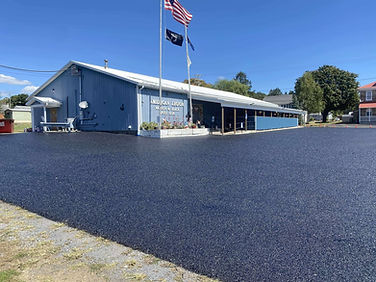
Driveway Sealcoating That Protects Asphalt Longer
A driveway can look worn out long before it is ready to be replaced. The gray color, rough texture, and first scattered cracks are signs that asphalt is losing the oils and flexibility that help it stand up to weather. Quality driveway sealcoating gives homeowners a practical way to slow that decline, protect the surface, and bring back the deep black appearance of freshly paved asphalt.
For Central Pennsylvania properties, the timing matters. Sun, rain, freeze-thaw cycles, road salt, and vehicle traffic all take a toll on an exposed driveway. Waiting until cracks spread and the surface begins to unravel usually means repairs become more involved and more expensive. Preserving sound asphalt while it still has a solid foundation is the smarter long-term move.
What Driveway Sealcoating Should Actually Do
Not every sealer works the same way. Many ordinary water-based products sit primarily on top of the pavement. They may darken the driveway at first, but the finish can look dull and may develop blue, brown, or white hues as it wears. Surface-only coatings can improve appearance temporarily, yet they do little to address asphalt that has become dry and brittle beneath the surface.
A premium asphalt-based rejuvenating sealer is designed for a different result. It penetrates the pavement rather than simply covering it, helping replenish compounds that aging asphalt loses over time. That penetration supports a richer black finish with a fresh paved sheen while helping shield the driveway from oxidation, UV exposure, water intrusion, salt, and everyday wear.
The distinction is easy to see after application, but it matters even more over the years that follow. A driveway is not just a black surface in front of the house. It is an asphalt investment that needs protection before small signs of aging turn into widespread deterioration.
Why Central Pennsylvania Asphalt Wears So Quickly
Pennsylvania weather creates a difficult environment for residential and commercial asphalt. Moisture enters small surface openings, then expands when temperatures drop below freezing. Repeated freeze-thaw movement can widen those openings into cracks. Once water reaches deeper layers, it can weaken the structure below the asphalt, not just the top layer you can see.
Oxidation adds another problem. As asphalt ages in the sun and air, it gradually loses the flexible binders that help it move slightly with temperature changes. The pavement becomes gray, dry, and more prone to cracking under vehicle weight. Road salt and deicing materials can add to the wear during winter, especially near garage entrances, turning areas, and parking spaces.
Sealcoating cannot fix a failed base or make deep structural damage disappear. It can, however, protect a driveway that is still fundamentally sound. That is why early maintenance is usually more valuable than waiting for the pavement to look severely damaged.
The Warning Signs Worth Acting On
Fading from black to gray is often one of the earliest visible signs of oxidation. A rough, grainy surface can indicate that the asphalt is beginning to lose aggregate at the top. Small cracks, especially those that recur after winter, deserve attention before they collect water and expand.
Other clues include minor raveling along edges, a driveway that looks dry rather than rich and black, or areas near parked vehicles that show staining from fuel or oil. These conditions do not automatically mean replacement is needed. They do mean the surface should be evaluated before another season of weather exposure adds to the damage.
When Is the Right Time to Sealcoat a Driveway?
The best time depends on the driveway's age, current condition, prior maintenance, and the weather window available for proper application. New asphalt needs time to cure before it is sealed. Sealing too early can interfere with that process, while waiting too long leaves the fresh surface exposed to unnecessary oxidation.
For an established driveway, the goal is to seal before it becomes heavily cracked, loose, or structurally compromised. A professional inspection can separate cosmetic aging from problems that need crack repair or other preparation first. This matters because high-quality sealer performs best on a clean, stable surface that has been properly prepared.
Dry conditions and suitable temperatures are also essential. Applying sealer when rain is expected or when the pavement is damp can affect adhesion and curing. The crew should plan the work around local conditions rather than rushing the application simply to fit a calendar date.
Preparation Determines the Result
A good finish starts well before the sealer is applied. Dirt, leaves, loose debris, and surface contaminants must be removed so the material can make proper contact with the asphalt. Cracks should be addressed where appropriate, and areas affected by oil or fuel need attention because contaminants can interfere with the treatment.
Edges, transitions near garages, and high-traffic areas also deserve careful work. These are often the places where moisture, tires, and plow activity create the most stress. A rushed application can leave uneven coverage or miss vulnerable areas that need protection the most.
This is one reason homeowners should look beyond the lowest price. Driveway sealcoating is not just the act of spreading black material across pavement. The material quality, surface preparation, application method, and attention to detail all influence how the driveway looks and how well it is protected.
Better Appearance Is Part of the Value
Protection is the main reason to maintain asphalt, but curb appeal is a meaningful benefit. A faded, blotchy driveway can make an otherwise well-kept home look neglected. A properly sealed driveway creates a clean, uniform black surface that frames the property and gives it a more finished appearance.
For commercial properties, the visual improvement carries similar value. Customers, tenants, and visitors notice the condition of an entrance and parking area before they walk through the door. A well-maintained asphalt surface communicates that the property is cared for, while helping owners preserve the pavement they already have.
The best result is not a flat, temporary-looking black coating. It is a deep black finish with a fresh paved sheen that complements the property while supporting real asphalt preservation.
How Long Does Driveway Sealcoating Last?
There is no one-size-fits-all schedule. Longevity depends on sun exposure, drainage, vehicle traffic, driveway condition, winter weather, and the type of sealer used. A shaded driveway with good drainage may age differently than a steep, sun-exposed drive where water runs across the same wheel paths every day.
Instead of treating sealcoating as a fixed annual chore, monitor the pavement. When the black color begins to fade, the surface looks dry, or minor wear is becoming visible, it is time to consider an evaluation. Regular maintenance is generally less costly and less disruptive than allowing damage to build until major repairs are required.
Homeowners can also help between applications by keeping drainage paths clear, removing standing water when practical, cleaning up fuel spills promptly, and avoiding sharp turns from heavy vehicles in one spot. These small habits will not stop aging, but they can reduce unnecessary stress on the asphalt.
Choose Preservation Over a Temporary Cover-Up
For property owners in Blair, Bedford, Centre, Cambria, Fulton, Mifflin, Somerset, Huntingdon, and Clearfield Counties, driveway maintenance should be about more than making pavement look darker for a season. The right material should help protect the asphalt itself while producing a finish worth seeing from the street.
Cove Asphalt Sealing uses a premium asphalt-based rejuvenating sealer because aging pavement needs more than a surface-only coating. When the driveway is in serviceable condition, professional preparation and penetrating protection can help extend its useful life, limit weather-related wear, and restore the polished look homeowners want.
If your driveway is fading, drying out, or beginning to show small cracks, the most helpful next step is a no-pressure professional assessment before another Pennsylvania winter has a chance to make those early signs worse.
Comments