Brittle Asphalt Treatments That Protect Pavement
A driveway can look solid from the street and still be losing the flexibility it needs to withstand another Pennsylvania winter. When asphalt turns gray, dry, and rough, the binder that holds the stone together is breaking down. The right brittle asphalt treatments address that early-stage deterioration before small surface cracks, loose aggregate, and water intrusion become much more expensive problems.
For homeowners and commercial property managers, the goal is not simply to make blacktop look darker for a season. It is to protect the pavement you already own, improve curb appeal, and help delay major repairs or replacement. That calls for a treatment that does more than sit on top of the surface.
Why Asphalt Becomes Brittle
Asphalt pavement is made from aggregate held together by an asphalt binder. When pavement is new, that binder has oils and flexibility that help it move slightly as temperatures change and vehicles travel across it. Over time, sun exposure, oxygen, rain, road salt, and traffic gradually deplete those compounds.
The result is oxidation. Asphalt loses its rich black color, becomes less flexible, and begins to look faded or chalky. In central Pennsylvania, freeze-thaw cycles make the issue worse. Water enters tiny surface openings, freezes and expands, then leaves behind larger cracks and weaker pavement when it thaws.
A brittle surface does not always mean the base beneath it has failed. In many cases, the pavement is still a good candidate for preservation. The key is acting while the surface is dry and oxidized, rather than waiting until cracking has spread or the asphalt has started to unravel.
Brittle Asphalt Treatments: What Actually Helps
Not every black coating provides the same kind of protection. Ordinary water-based sealers are primarily surface coatings. They can improve appearance temporarily, but they may dry to a dull black finish and sometimes show blue, brown, or white hues. More importantly, a surface-only coating does not necessarily replace the compounds that aging asphalt has lost.
A premium asphalt-based rejuvenating sealer takes a different approach. It is designed to penetrate the pavement surface, helping restore lost oils and protect vulnerable asphalt from further oxidation and water exposure. The material absorbs into the surface rather than simply forming a layer over it, which makes it a stronger choice for asphalt that is beginning to dry out and turn brittle.
This type of treatment can help protect pavement against several common sources of wear:
UV exposure that fades and dries the binder
Rain and melting snow that work into open surface pores
Road salt tracked onto driveways and parking areas during winter
Fuel drips and vehicle fluids that can soften or stain vulnerable asphalt
Surface raveling, where stones begin to loosen from the pavement
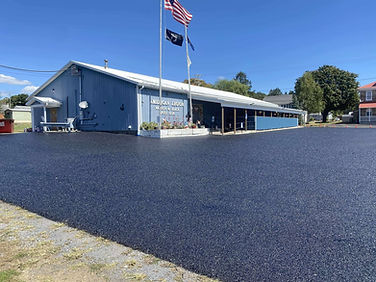
The visible difference matters, too. A quality asphalt-based treatment restores a deep black color with a fresh paved sheen, not the flat, washed-out look associated with lower-grade coatings. For a home driveway, that can noticeably sharpen curb appeal. For a business property, it helps the parking area look cared for before visitors ever reach the entrance.
Timing Matters More Than Most Owners Think
The best time to treat brittle asphalt is before the deterioration becomes structural. If the surface has faded, feels dry, shows minor hairline cracks, or has started to lose its uniform texture, preservation may still be the sensible next step.
Once deep cracks, widespread alligator cracking, major depressions, or base failure are present, a sealer alone cannot correct the underlying problem. Those areas may need repair before treatment. A reputable asphalt maintenance specialist should be clear about that distinction instead of presenting sealing as a fix for every condition.
New asphalt also needs time to cure before it receives a treatment. Fresh pavement has oils that need to settle and harden naturally. The right schedule depends on the installation, weather, traffic, and condition of the surface, which is why a site-specific evaluation is more useful than a one-size-fits-all recommendation.
How Penetrating Rejuvenation Protects Aging Pavement
A penetrating rejuvenating sealer works best when the asphalt surface is properly prepared. Dirt, leaves, loose debris, and vehicle fluids can interfere with adhesion and absorption, so the pavement should be cleaned thoroughly. Cracks and damaged areas should also be evaluated before the treatment is applied.
After preparation, the material is applied evenly across the pavement. It penetrates into the upper asphalt surface, where it helps condition dry, oxidized binder and reduce the pavement's exposure to moisture and UV damage. The treatment is not magic, and it will not rebuild pavement that has already failed. What it can do is help preserve sound, aging asphalt so deterioration has less opportunity to accelerate.
That distinction is especially valuable for property owners trying to manage long-term costs. Replacing a driveway or parking lot is a major investment. Regular preservation, completed at the appropriate time, is generally far more manageable than waiting for visible damage to dictate the schedule.
Driveways and Parking Lots Need Different Planning
The material may be similar, but the maintenance plan should reflect how the pavement is used. A residential driveway often sees lighter traffic but may be exposed to standing water, snow removal, road salt, and vehicles parked in the same areas every day. Homeowners usually want protection first, along with the immediate improvement of a deep black driveway that complements the rest of the property.
Commercial asphalt may experience more frequent vehicle movement, turning pressure, delivery traffic, and fluid drips. Property managers also need to consider customer access and practical scheduling. Treating a parking area before the surface becomes visibly worn can support a cleaner property appearance while helping protect the pavement asset underneath.
In both cases, the condition of the asphalt determines whether rejuvenation is the right treatment. A professional assessment should look at oxidation, cracks, drainage patterns, surface wear, and any areas where the pavement may need attention first.
What to Look for in a Quality Asphalt Treatment
When comparing brittle asphalt treatments, ask what the product is intended to do. Does it merely add color at the surface, or is it formulated to penetrate and rejuvenate aging asphalt? The answer affects both the finish and the level of protection the treatment can provide.
It also helps to ask how the surface will be prepared and whether the contractor explains limitations honestly. Quality maintenance is not just applying material. It is recognizing when a driveway is a good preservation candidate, addressing repair needs where appropriate, and applying a product suited to the pavement's age and condition.
Cove Asphalt Sealing uses a premium asphalt-based rejuvenating sealer because central Pennsylvania pavement needs more than a cosmetic cover-up. The focus is on helping homeowners and commercial property owners protect their asphalt from drying, cracking, weather exposure, and premature surface wear while delivering the deep black, freshly paved appearance they want.
A Practical Next Step for Aging Asphalt
If your driveway or parking lot has started to fade from black to gray, feel rough, or show early cracking, do not assume replacement is the only answer. Early evaluation gives you more choices and can help you address brittle pavement while preservation is still practical.
For property owners across Blair, Bedford, Centre, Cambria, Fulton, Mifflin, Somerset, Huntingdon, and Clearfield Counties, a no-pressure estimate can clarify whether your asphalt is ready for a penetrating rejuvenating treatment or needs repairs first. The best time to protect pavement is when it is showing early signs of aging, not after the damage has already taken over.
Comments