Property Manager Guide to Parking Lot Sealing
A faded, brittle parking lot sends a message before a tenant, customer, or visitor reaches the front door. This property manager guide to parking lot sealing explains how to protect an asphalt surface before small cracks, water intrusion, and oxidation turn into expensive repair decisions. For Central Pennsylvania properties, the right maintenance plan also has to account for winter road salt, freeze-thaw cycles, summer sun, and constant vehicle traffic.
Parking lot sealing is not just about making asphalt look black again. A quality treatment should help preserve the pavement beneath the surface, slow the effects of weathering, and give the property a clean, freshly maintained appearance. The material used and the timing of the work make a meaningful difference.
Why Parking Lots Deteriorate Faster Than Expected
Asphalt is flexible, but it is not maintenance-free. Its binders gradually dry out and oxidize under UV exposure. As that happens, the pavement loses some of the flexibility that helps it handle traffic and temperature changes. The result is a gray, faded surface that becomes more vulnerable to cracking and surface unraveling.
Water is the bigger long-term concern. It finds its way into open cracks and weakened areas, then expands and contracts as temperatures change. In Central Pennsylvania, that cycle can accelerate damage through the winter. Road salt, fuel drips, and daily traffic add more stress to a surface that is already aging.
A parking lot does not need to be covered in potholes to need attention. In fact, sealing is most valuable when the pavement is still structurally sound enough to preserve. Waiting until widespread cracking or base failure appears can limit what any protective treatment can accomplish.
Property Manager Guide: Parking Lot Sealing at the Right Time
The best time to plan parking lot sealing is before deterioration becomes a repair project. Look for fading from black to gray, a dry or brittle appearance, light surface raveling, and small cracks that have begun to open. These are signs that the asphalt has lost protection, not necessarily signs that the entire lot needs replacement.
New asphalt also needs time to cure before it is treated. The proper waiting period depends on the pavement, weather, and installation conditions. An experienced asphalt preservation specialist can evaluate whether the surface is ready rather than applying a product too soon.
For an existing lot, frequency depends on traffic volume, drainage, sun exposure, pavement age, and the kind of protection previously used. A lightly used professional office lot may follow a different schedule than a busy retail, multifamily, or industrial-access property. There is no responsible one-size-fits-all interval. The goal is to inspect regularly and treat the surface while it can still benefit from preservation.
Seal Sound Pavement, Repair Failed Pavement First
Sealing is a preventive maintenance service, not a cure for every asphalt problem. Cracks should be addressed before sealing so water does not continue working beneath the surface. Areas with deep alligator cracking, major depressions, or evidence of base failure may need separate repair planning before a protective treatment is applied.
That distinction matters for budgeting. A property manager gets better value by separating preservation needs from structural repairs. Treating a sound but faded lot can help extend its useful life. Coating a severely failed area without addressing the cause may improve color temporarily, but it will not correct the underlying pavement issue.
Material Choice Affects More Than Appearance
Many property owners have seen ordinary water-based sealers that sit primarily on the surface. They can darken pavement initially, but the finish may look dull and can sometimes show blue, brown, or white hues as it dries or ages. Surface-only coatings may have a place in certain situations, but they are not all built to provide the same level of asphalt preservation.
Cove Asphalt Sealing uses a premium asphalt-based rejuvenating sealer designed to penetrate the asphalt rather than simply coat the top. That matters because aging pavement needs help replacing and restoring lost compounds while it receives protection from water, UV exposure, road salt, fuel spills, and ongoing oxidation.
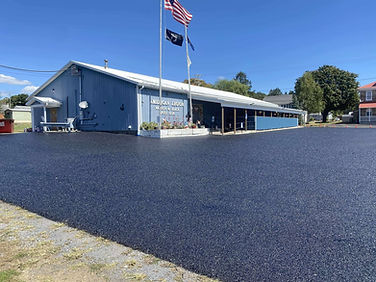
The visible result is also different. A properly treated lot has a deep black finish with a fresh paved sheen, which can make a commercial property look cared for without suggesting that maintenance was an afterthought. For a manager responsible for tenant satisfaction and curb appeal, that immediate improvement is valuable. The longer-term benefit is giving the existing pavement better protection against the conditions that cause it to dry out and deteriorate.
Plan the Work Around Operations, Not Just the Calendar
Parking lot sealing requires a practical access plan. Before scheduling, identify delivery windows, tenant peak hours, employee entrances, accessible parking needs, garbage pickup schedules, and any areas that cannot be closed at the same time. A well-planned project can often be completed in sections so the property remains functional.
Weather also matters. The pavement must be clean and dry enough for the material to perform as intended, and the treatment needs appropriate curing conditions before traffic returns. Rushing the work because of a calendar date or ignoring a weather change can compromise the result.
A site review should clarify the condition of the asphalt, the traffic pattern, and how the lot can be managed during service. For larger or more active properties, this planning is just as important as the application itself. Clear communication with tenants and staff helps avoid avoidable inconvenience and protects the newly treated surface during its curing period.
Build a Parking Lot Maintenance Budget That Prevents Surprises
The most costly parking lot decisions usually happen after maintenance has been deferred for too long. A more useful approach is to inspect the surface at least seasonally and track changes: new cracks, fading, water ponding, edge deterioration, and areas where traffic is beginning to wear the pavement faster.
Your annual plan should account for crack repair, surface cleaning, and protective sealing as separate but related needs. Keep records of prior treatments, known drainage concerns, and high-traffic areas. Those notes make it easier to prioritize work and explain maintenance decisions to owners or asset managers.
It also helps to avoid comparing proposals on price alone. Ask what material will be used, whether it is designed to penetrate and rejuvenate aging asphalt, how the surface will be prepared, and what conditions could affect the application. A lower upfront number is not always lower cost if the treatment provides only a short-lived cosmetic change.
For properties throughout Blair, Bedford, and Centre counties, local weather exposure is part of the equation. Sun, snow, salt, and repeated freezing temperatures place real demands on commercial asphalt. A preservation-focused approach is designed to address those conditions while the pavement is still worth protecting.
What to Expect From a Professional Assessment
A useful assessment starts with the asphalt itself, not a generic recommendation. The contractor should look at pavement age, cracks, faded areas, surface texture, drainage patterns, traffic exposure, and signs of more serious failure. From there, the manager can decide whether the lot is a good candidate for sealing now or whether certain repairs should come first.
Be clear about operational constraints and your expectations for appearance. If the goal is a premium deep-black finish that helps the property look freshly paved while protecting the asphalt beneath it, say so. The right material and preparation process should support both outcomes.
A well-maintained lot is easier to budget, easier to present to tenants and visitors, and less likely to force a major decision before its time. When the asphalt is still sound, proactive sealing is one of the clearest ways to protect the investment already under your feet.
Comments