Penetrating Sealer Versus Surface Coating
A driveway can look faded long before it looks seriously damaged. That is the point where the choice between a penetrating sealer versus surface coating matters most. One approach is designed to work into the asphalt and help restore what weather has taken away. The other primarily forms a layer across the top. Both may make pavement look darker at first, but they do not protect aging asphalt in the same way.
For central Pennsylvania homeowners and property managers, that difference is practical. Our freeze-thaw cycles, road salt, summer UV exposure, rain, and vehicle traffic all work on asphalt year after year. Choosing the right treatment can help preserve a driveway or parking area before small surface problems become expensive repairs.
What Happens as Asphalt Ages
Asphalt is not a maintenance-free surface. It contains binders and oils that give pavement flexibility and help hold the aggregate together. Over time, sun, air, water, salt, and traffic gradually dry out those compounds. The surface fades from black to gray, becomes more brittle, and is more likely to develop cracks, loose aggregate, and surface unraveling.
Water is especially hard on neglected pavement. Once it enters cracks or weakened areas, it can work below the surface. In Pennsylvania, freezing temperatures can make that moisture expand and place additional stress on the asphalt. Sealcoating is not a substitute for repairing structural damage, but applied at the right time, it is a smart form of preventive maintenance.
The key question is whether the product simply changes the appearance of the surface or helps protect the asphalt itself.
Penetrating Sealer Versus Surface Coating: The Core Difference
A surface coating sits on top of the pavement. It creates a visible barrier and can temporarily darken a driveway or parking lot. Many ordinary water-based sealers fall into this category. They may be a budget-minded option for pavement that needs a short-term cosmetic refresh, but their protection is largely limited to the film they leave behind.
A penetrating asphalt-based rejuvenating sealer is made to absorb into the upper portion of the asphalt. Rather than relying only on a layer at the surface, it helps replenish lost compounds in aging pavement while protecting it from the elements. This approach is especially valuable for asphalt that has started to fade, dry out, or lose its flexibility but is still in serviceable condition.
That distinction affects both performance and appearance. A surface-only coating can wear away from traffic and weather because its primary job is to remain on top. A quality penetrating treatment works with the asphalt beneath it, helping protect the pavement where oxidation begins to take its toll.
Why Penetration Matters for Asphalt Protection
Asphalt preservation is about slowing deterioration, not just making a surface look black for a season. When pavement becomes dry and brittle, it is less able to handle temperature swings and everyday use. A penetrating rejuvenating sealer helps condition the upper asphalt surface, which can support a longer useful life when paired with timely crack repair and regular maintenance.
It also provides a layer of defense against common driveway and parking lot threats, including UV exposure, water intrusion, road salt, fuel drips, and oxidation. No sealer can make damaged asphalt new again or eliminate every future crack. However, protecting pavement before it becomes severely worn can reduce the pace of surface deterioration.
For a homeowner, that can mean delaying the much higher cost of major repairs or replacement. For a commercial property, it can mean maintaining a cleaner, more professional-looking entrance and parking area while protecting a significant asset.
A Better Finish Is More Than Cosmetic
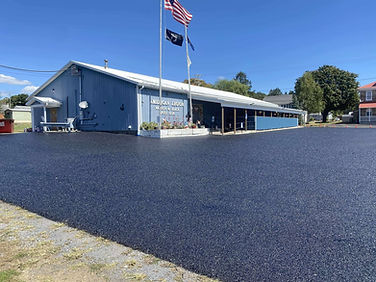
The finish is often where property owners first notice the difference. Premium asphalt-based rejuvenating sealer leaves a deep black color with a fresh-paved sheen. It improves curb appeal without looking flat or chalky, making faded pavement look cared for again.
Some ordinary water-based surface coatings can dry to a dull black and may develop blue, brown, or white hues depending on the material, application conditions, and wear. That does not necessarily mean the coating was applied incorrectly, but it can be disappointing when a property owner expects the rich appearance of freshly paved asphalt.
A deep black finish also makes a practical impression. It sharpens the look of a home, complements landscaping and exterior finishes, and helps a commercial property present a well-maintained image to customers, tenants, and visitors.
When a Surface Coating May Be the Better Fit
There are situations where a basic surface coating may be reasonable. If appearance is the only goal, the pavement is near the end of its life, or a property owner needs the lowest initial cost, a conventional coating can provide a temporary visual improvement.
The trade-off is long-term value. Lower-cost surface coatings generally do not offer the same asphalt-restoring benefit as a premium penetrating product. They can also require more frequent attention as the top layer wears from tires, sun, precipitation, and snow removal.
It is worth comparing proposals based on more than the initial price. Ask what material will be used, whether it penetrates or simply coats, how the surface will be prepared, and what finish to expect after curing. Those details tell you much more about the result than a price per driveway alone.
Proper Preparation Still Determines the Result
Even the best sealer cannot perform properly on a dirty, wet, or badly neglected surface. Professional preparation begins with evaluating the pavement. Cracks, oil spots, loose debris, and failing areas need attention before sealing can deliver its full value.
Cracks should be addressed so water has fewer places to enter. The asphalt must also be clean and dry enough for the material to bond and penetrate as intended. Weather conditions matter, too. A professional contractor will schedule the application around suitable temperatures and moisture conditions instead of treating sealcoating as a one-size-fits-all job.
This is why material quality and workmanship belong together. A premium product applied carelessly is not a premium result. Cove Asphalt Sealing focuses on the complete preservation process: proper surface preparation, a high-quality asphalt-based rejuvenating sealer, and an even application that delivers lasting protection and a fresh paved appearance.
Is Your Asphalt Ready for a Penetrating Treatment?
The best candidates are driveways and parking areas that are faded, dry-looking, or beginning to show minor cracking but still have a sound base and intact overall structure. If the asphalt has widespread potholes, deep alligator cracking, major settlement, or severe crumbling, sealing alone will not correct those underlying problems. An honest evaluation should separate surfaces that can be preserved from those that need more extensive repair first.
For pavement in good repair, waiting until it looks severely gray and brittle is rarely the best strategy. Regular protection helps keep asphalt from reaching that stage as quickly. Many property owners find that a planned maintenance schedule is easier to budget for than responding to rapid deterioration after several neglected seasons.
A Local Choice for Central Pennsylvania Pavement
Central Pennsylvania asphalt takes a beating from all four seasons. Homeowners in Blair County, Bedford County, and Centre County know how quickly a driveway can fade after winter salt and summer sun. Commercial lots face the same exposure, often with more vehicle traffic and fuel drips added to the mix.
Whether the surface is a residential driveway or a business parking area, the goal should be preservation, not a quick cover-up. A penetrating asphalt-based treatment helps protect the pavement while delivering the darker, cleaner finish owners want to see when they pull in or welcome customers.
If your asphalt is fading but still structurally sound, this is a good time to request a free, no-pressure estimate. A clear assessment of your pavement and the material being applied can help you choose protection that looks better now and makes better sense for the years ahead.
Comments