Asphalt Sealing vs Replacement Timeline: What Wins?
A driveway can look faded and tired long before it is ready to be torn out. Understanding the asphalt sealing vs replacement timeline helps homeowners and property managers make the right call before small surface problems become expensive structural damage. The difference often comes down to what is happening below the surface, not simply how black or gray the pavement looks.
Central Pennsylvania asphalt takes a beating from sun, rain, freeze-thaw cycles, road salt, and vehicle traffic. Asphalt naturally loses the oils and binders that keep it flexible. As it dries out, it becomes brittle, cracks more easily, and allows water to work deeper into the pavement. A quality maintenance plan can slow that process dramatically, but preservation has to start while the pavement still has a sound foundation.
The Asphalt Sealing vs Replacement Timeline
New asphalt does not stay new-looking for long. In the first year or two, the surface begins oxidizing from UV exposure and weather. That is normal, but it is also the point when proactive protection offers the most value. Rather than waiting for visible deterioration, property owners can preserve the pavement while it is still structurally healthy.
For many driveways and parking areas, this is the general progression:
Years 0-2: Asphalt is curing and beginning to lose its deep black color. Heavy sealcoating too early is not always appropriate, but planning for future preservation is wise.
Years 2-5: The surface may begin fading from black to charcoal gray. Minor hairline cracks can appear, especially in high-stress areas. This is often an excellent window for crack repair and premium asphalt sealing.
Years 5-10: Untreated asphalt may become noticeably dry, brittle, and rough. Cracks widen, edges weaken, and water can enter the pavement. Preservation may still be effective if the base remains solid and repairs are handled first.
Years 10-15 and beyond: The right decision depends on the pavement's condition and maintenance history. Well-maintained asphalt may have years of useful life left. Neglected pavement with widespread cracking, settling, potholes, or base failure may be approaching replacement.
These ranges are not guarantees. A lightly used residential driveway on stable ground may outlast the timeline, while a busy commercial entrance, shaded area with poor drainage, or surface exposed to repeated salt use may deteriorate faster.
When Asphalt Sealing Is the Smarter Investment
Asphalt sealing makes sense when the pavement is fundamentally sound but showing surface aging. Fading, mild oxidation, small cracks, a dry appearance, and early surface wear are warning signs that the asphalt needs protection, not necessarily replacement.
The most important question is whether the pavement still has a stable base. If the driveway feels firm under traffic, has no widespread low spots, and is not breaking apart in large sections, maintenance can usually be a practical way to extend its service life. Cracks should be addressed before sealing so water does not continue working beneath the surface.
Cove Asphalt Sealing uses a premium asphalt-based rejuvenating sealer rather than an ordinary surface-only coating. The material is designed to penetrate the asphalt, help restore lost compounds, and protect against oxidation, UV exposure, moisture, road salt, fuel drips, and surface unraveling. That matters because aging asphalt needs more than temporary color. It needs help retaining the flexibility that reduces cracking over time.
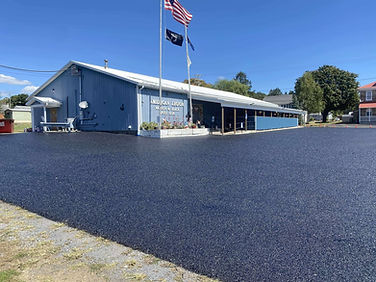
The visible benefit is immediate: a deep black finish with the sheen of fresh pavement. The long-term benefit is more important. Properly maintained asphalt can remain useful longer, helping a homeowner delay the high cost and disruption of replacement.
What Sealing Cannot Fix
Premium sealing is preservation, not a cure for structural failure. It cannot correct a failed base, major heaving, deep potholes, severe alligator cracking, or broad areas where the asphalt is crumbling apart. Applying sealer over those issues may improve the color briefly, but it will not solve the reason the pavement is failing.
This is why an honest assessment matters. A good maintenance plan starts with the condition of the asphalt, the cracks, the drainage, and the areas where vehicles put the most stress on the surface.
Signs Replacement May Be Closer Than Sealing
Replacement becomes more likely when damage extends beyond the top layer of asphalt. Large interconnected cracks that resemble an alligator's skin are often a sign that the pavement has lost support underneath. Repeated potholes, sunken sections, standing water after rain, and widespread breakup at the edges can point to deeper problems as well.
A few isolated defects do not automatically mean the entire driveway or parking area has reached the end. Localized repairs may be possible before a preservation treatment. But when structural distress covers a substantial part of the surface, continuing to apply maintenance products is usually not the best value.
Think of sealing as a way to protect a sound asset. Replacement is the reset required when that asset no longer has a dependable foundation. Waiting too long to protect asphalt can shorten the time between those two decisions.
Why Timing Matters More in Central Pennsylvania
Pennsylvania weather creates a predictable cycle of damage. Water enters an unsealed crack, freezes, expands, and makes the opening larger. Spring rain sends more water into that opening. Summer heat and UV exposure dry out the surface further. Then winter salt and another freeze-thaw season repeat the process.
That cycle is why a faded driveway should not be ignored just because it still functions. Asphalt does not usually fail overnight. It declines in stages, and the most cost-effective time to act is often before the damage looks dramatic.
Homeowners in Blair County, Bedford County, and Centre County often face the same combination of changing temperatures, winter road treatment, and moisture exposure. Commercial property owners have an added concern: vehicle traffic concentrates stress around entrances, parking stalls, loading areas, and turning zones. Early maintenance helps protect these high-wear areas before deterioration spreads.
How Often Should You Seal Asphalt?
There is no one schedule that fits every property. Many sound residential driveways benefit from professional sealing on a roughly two- to three-year cycle after the asphalt has properly cured, depending on exposure and wear. A commercial surface may need closer monitoring because traffic, fuel spills, and turning vehicles can accelerate aging.
The condition of the pavement should guide the schedule. A driveway in full sun may oxidize faster than one with partial shade, although heavy tree cover can create moisture and debris concerns of its own. A steep driveway may experience more wear from braking and acceleration. Areas near garage doors, drain paths, and road entrances often deserve extra attention because they see the most traffic and water.
Ordinary water-based sealers can leave a dull black appearance and may sometimes show blue, brown, or white hues as they weather. A premium asphalt-based rejuvenating sealer is chosen for a different result: deeper penetration, stronger asphalt preservation, and a rich black finish that looks closer to newly paved asphalt.
A Practical Decision Process for Property Owners
Start by looking past the color. Walk the driveway or parking lot after a rain and note where water sits. Check for cracks that are widening, loose aggregate, soft spots, potholes, and sections that have settled. Look closely at the edges, where unprotected asphalt often begins to unravel.
If the pavement is dry and faded but solid, request an assessment before another winter season adds more damage. If cracking is limited, repair and sealing may provide meaningful protection. If structural issues are widespread, ask for a straightforward opinion on whether continued maintenance is worthwhile or whether replacement planning is the more responsible path.
The best asphalt sealing vs replacement timeline is not based on a calendar alone. It is based on protecting good pavement early, repairing damage before water reaches the base, and recognizing the point when surface treatment can no longer address the underlying problem.
A well-timed preservation treatment can keep a driveway or parking area looking sharp while helping it stay stronger through Pennsylvania weather. If your asphalt is fading, drying out, or developing early cracks, now is the right time to have its condition evaluated before a manageable maintenance job turns into a replacement decision.
Comments