Commercial Asphalt Preservation Guide for Lots
A parking lot rarely fails all at once. It fades, dries out, develops small cracks, and begins letting water into the pavement structure. This commercial asphalt preservation guide is built for property owners and managers who want to address those early warning signs before routine maintenance turns into costly repair or replacement.
For commercial properties across central Pennsylvania, preserving asphalt is about more than keeping a lot dark and tidy. A well-maintained surface supports curb appeal, protects the investment beneath vehicle traffic, and helps prevent the kind of deterioration that makes a property look neglected. The right approach depends on the pavement's age, condition, drainage, traffic, and maintenance history.
What Asphalt Preservation Actually Does
Asphalt contains oils and binding compounds that help keep the surface flexible. Sun exposure, oxygen, water, road salt, and vehicle fluids gradually pull those compounds from the pavement. As the asphalt oxidizes, it becomes gray, dry, and brittle. That is when surface wear can turn into cracking, raveling, and water intrusion.
Commercial asphalt preservation slows that process. It is preventive maintenance for pavement that is still structurally sound enough to benefit from protection. The goal is not to hide major failure. The goal is to protect the surface before water reaches the base and before small defects become larger repair issues.
That distinction matters when comparing materials. Ordinary water-based sealers often sit on top of the pavement and can leave a dull black finish, sometimes with blue, brown, or white hues. A premium asphalt-based rejuvenating sealer is designed to penetrate the asphalt surface, help restore lost compounds, and provide a richer black appearance with a fresh paved sheen. It protects while improving how the lot looks from the street.
Start With the Pavement Condition
The best maintenance decision begins with an honest look at the lot. Not every commercial surface is ready for the same service, and applying a protective treatment over serious deterioration is not a long-term answer.
A good candidate for preservation typically has fading, light surface wear, minor cracking, and early signs of oxidation, but remains generally stable. The asphalt may look tired and dry, yet it has not broken apart across large areas. In these cases, sealing and rejuvenation can help slow further aging and restore a more professional appearance.
If the lot has widespread alligator cracking, deep potholes, soft spots, or noticeable movement, the issue may be below the surface. Water may already have affected the base beneath the asphalt. Those areas should be evaluated and repaired before preservation work is considered. Protecting sound pavement is smart. Expecting a sealer to correct structural failure is not realistic.
Watch for These Early Warning Signs
Fading is often the first visible signal. A dark lot turning gray is losing the flexibility and protection that fresh asphalt once had. Fine cracks, loose aggregate, rough texture, standing water after rain, and wear near entrances or drive lanes also deserve attention.
Central Pennsylvania weather makes timing especially important. Freeze-thaw cycles can widen cracks after water gets inside. Road salt and winter traffic add more stress. Waiting until spring to inspect a lot is wise, but waiting until the pavement is badly broken can reduce the value of preventive maintenance.
A Practical Commercial Asphalt Preservation Plan
A useful plan is based on condition, not a calendar alone. Many commercial properties benefit from regular inspections and a preservation schedule that responds to real wear. A busy medical office, retail center, apartment property, or professional office lot may need attention sooner than a lightly used private lot.
Begin by inspecting the pavement at least twice each year, ideally after winter and again before cold weather returns. Look closely at entrances, loading areas, drainage paths, dumpster areas, and places where vehicles turn or stop repeatedly. These sections often wear faster than open parking stalls.
Keep water moving off the surface whenever possible. Ponding water is one of asphalt's most persistent enemies because it has time to work into cracks and weak points. Clean debris from drainage areas, watch for low spots, and address cracks before they grow. Crack repair and surface preservation work together. One helps limit water entry; the other helps defend the broader pavement surface from ongoing oxidation and weather exposure.
When the lot is ready, professional surface preparation is essential. Dirt, loose material, vegetation, and vehicle-fluid residue can interfere with results. The pavement should be clean, dry, and properly prepared so the material can perform as intended. A rushed application may look acceptable at first, but good preservation work starts well before the sealer is applied.
Why Material Choice Changes the Result
Commercial property managers are often offered the lowest-price coating option. That can be tempting when a lot is large or maintenance dollars are being watched closely. But the upfront price is only one part of the decision. The finish, level of protection, and long-term appearance matter too.
A premium asphalt-based rejuvenating sealer offers a different approach from a basic surface-only product. Rather than simply covering the top, it penetrates the pavement and helps condition aging asphalt. That can help reduce the dry, brittle look associated with oxidation while adding protection against UV exposure, water intrusion, road salt, fuel spills, and surface unraveling.
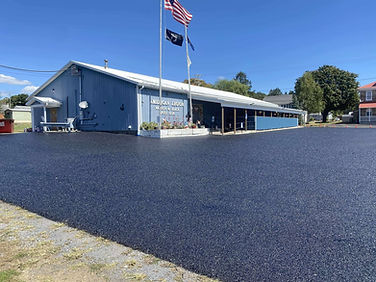
Appearance is not a minor detail for commercial properties. A deep black finish with a fresh paved sheen can improve first impressions at a storefront, office, rental property, or community facility. Customers and tenants may not know the technical difference between asphalt treatments, but they notice whether the property looks cared for.
There is still a trade-off to consider. Preservation is not a substitute for repairing failed asphalt, and no maintenance product eliminates every future crack. The right material provides the best value when it is applied to pavement before major deterioration takes hold. That is why early action usually costs less than delayed action.
Plan Around Weather, Traffic, and Access
Commercial asphalt work needs to fit the property's operations. The best schedule is one that gives the pavement enough time to be prepared and treated without creating unnecessary disruption for customers, employees, residents, or deliveries.
Dry weather is necessary for quality results. Property managers should also consider traffic patterns when selecting work dates. A smaller lot may need a phased plan so sections can remain available while others are being serviced. Larger sites may benefit from completing work during lower-traffic hours or on days when customer volume is lighter.
Clear communication makes a noticeable difference. Tell tenants, staff, and visitors where to park, when access may be limited, and when treated areas can be used again. Temporary inconvenience is easier to manage when expectations are clear and the finished lot looks substantially better.
Protect the Investment Before Replacement Is the Only Option
Replacement is one of the most expensive outcomes in pavement ownership. While every lot eventually reaches the end of its service life, consistent maintenance can help extend the useful life of asphalt and delay major capital expenses.
That is the value of a preservation-first mindset. Inspect the lot before damage becomes obvious to everyone. Repair cracks while they are manageable. Choose a material that does more than change the color of the surface. Then repeat maintenance at intervals that reflect the lot's actual exposure and use.
For property owners in Blair, Bedford, Centre, Cambria, Fulton, Mifflin, Somerset, Huntingdon, and Clearfield counties, Cove Asphalt Sealing provides a premium approach built around protection, appearance, and long-term value. A free, no-pressure evaluation can help determine whether your commercial pavement is ready for rejuvenating surface protection or needs repairs addressed first.
A well-kept parking lot does not need to announce itself. It simply gives visitors confidence that the property is managed with care, while helping the asphalt underneath hold up for the years ahead.
Comments