Can Sealcoating Prevent Water Damage to Asphalt?
A driveway can look fine from the curb while water is slowly working into its weakest areas. Faded color, tiny surface cracks, loose aggregate, and a dry, gray appearance are often early signs that the asphalt has lost protection. So, can sealcoating prevent water damage? A quality asphalt preservation treatment can significantly reduce the amount of water that enters an aging pavement surface, helping homeowners and property managers avoid the chain reaction that leads from moisture to cracking, potholes, and costly repairs.
The key is choosing the right material and applying it before the pavement is too far gone. Not all sealers protect asphalt in the same way, and no coating can solve standing water, major structural failure, or open cracks that need repair first.
Why Water Is So Hard on Asphalt
Asphalt pavement is designed to flex, but it is not waterproof forever. The binders that hold the aggregate together gradually break down from sun exposure, oxygen, traffic, temperature changes, road salt, and fuel or oil drips. As the surface becomes dry and brittle, it develops openings where water can enter.
That water does more than darken the pavement temporarily. It can move through cracks and porous areas into the base below the asphalt. Once the base loses stability, the surface above it can begin to sink, crack, or break apart. In central Pennsylvania, freeze-thaw cycles make the problem worse. Water expands as it freezes, widens small cracks, and leaves more room for the next round of moisture to enter.
This is why a small crack or a driveway that merely looks faded should not be dismissed as cosmetic. Appearance often tells you what is happening to the asphalt's protective oils and surface integrity.
Can Sealcoating Prevent Water Damage? It Depends on Timing
Sealcoating is most effective as preventive maintenance. Applied to sound pavement with cracks properly addressed, a quality sealer helps shield the asphalt from water intrusion and slows the oxidation that makes asphalt more porous over time.
It cannot make damaged pavement new again. If water is pooling because of poor drainage, the driveway has deep alligator cracking, or sections have already failed at the base, sealing over the surface will not correct the underlying issue. Those conditions need to be evaluated and repaired before a protective treatment can do its job.
For the majority of driveways and parking areas that are aging but still structurally stable, however, sealing at the right time can make a meaningful difference. It limits exposure, helps retain flexibility, and gives the surface a more consistent barrier against rain, snowmelt, salt, and everyday weather.
The Best Time to Protect Asphalt
The best time to act is when the asphalt has started to fade or lose its rich black color but has not yet developed widespread deterioration. You may also notice fine hairline cracks, a rougher texture, or small areas where aggregate is becoming more visible.
Waiting until water has already opened large cracks is the expensive approach. At that point, maintenance may involve more than surface protection. A professional assessment can help determine whether your pavement is ready for sealing or needs crack repair and other attention first.
Penetrating Protection Versus a Surface-Only Coating
The type of sealer matters, especially on aging asphalt. Many ordinary water-based products sit primarily on top of the pavement. They can provide a temporary dark color, but their finish may look dull black and can sometimes show blue, brown, or white hues as it dries or wears. More importantly, a surface-only coating does not offer the same approach to restoring the dry, depleted asphalt beneath it.
Cove Asphalt Sealing uses a premium asphalt-based rejuvenating sealer designed to penetrate the pavement rather than simply coat the top. As it works into the surface, it helps replenish lost compounds in aging asphalt while creating protection against moisture, oxidation, UV exposure, road salt, fuel spills, and surface unraveling.
That difference matters because water resistance and asphalt condition are connected. A pavement that has become dry, brittle, and porous is more likely to let moisture find a way in. Rejuvenating the surface while protecting it gives homeowners and commercial property owners a more complete preservation strategy than chasing appearance alone.
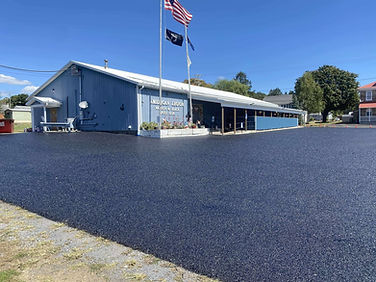
The visible result matters, too. A premium asphalt-based treatment restores a deep black finish with a fresh paved sheen. That improves curb appeal, but it also signals that the pavement has received maintenance intended to help it last longer.
What Sealcoating Can and Cannot Do
A properly selected and applied asphalt sealer can help reduce surface water penetration, slow sun-driven oxidation, protect against salt and spills, improve appearance, and extend the useful life of pavement that is otherwise in maintainable condition.
There are limits. Sealcoating does not fill deep cracks on its own, rebuild weak base material, stop water from collecting in low spots, or repair pavement that is crumbling apart. It is not a substitute for drainage correction or needed repairs. Calling it a preventative treatment is more accurate than calling it a cure.
This distinction protects property owners from spending money in the wrong order. First, deal with active cracks, failed sections, and drainage concerns. Then protect the remaining sound asphalt so it does not reach the same condition prematurely.
Why Pennsylvania Weather Raises the Stakes
Central Pennsylvania asphalt sees a demanding mix of weather. Summer sun dries and oxidizes pavement. Heavy rain tests every weak spot. Winter snow and ice introduce repeated freeze-thaw movement, while deicing salts can add more stress to an already aging surface.
A driveway or parking lot does not need dramatic damage to benefit from protection. In fact, pavement maintenance delivers the best value before dramatic damage appears. A sealed surface is better prepared to shed weather and resist the gradual deterioration that turns minor surface wear into larger repair needs.
This is especially relevant for properties in Blair, Bedford, and Centre counties, where changing seasons can expose the difference between maintained asphalt and neglected asphalt quickly. Whether the surface is a residential driveway or a customer-facing parking area, a clean, deep black finish also creates a stronger first impression.
How to Get Better Water Protection From Your Asphalt
Good material is only one part of the result. Surface preparation and application conditions matter just as much. The pavement should be cleaned so the treatment can contact the asphalt properly. Cracks and problem areas should be reviewed beforehand, and the surface needs appropriate weather and drying conditions for the sealer to perform as intended.
Property owners also play a role after the work is complete. Keep leaves and debris from blocking drainage paths, clean up vehicle fluid spills when practical, and watch for new cracks rather than allowing them to spread for seasons. If downspouts or grading direct water onto the driveway, addressing that runoff can protect the pavement more effectively than any sealer alone.
For commercial properties, regular inspections are worthwhile because traffic concentrates stress in entrances, turning areas, and parking stalls. A maintenance plan should account for those higher-wear zones instead of treating every part of the lot as if it ages at the same rate.
Protect the Pavement Before Water Finds a Way In
Water damage is rarely a single-event problem. It usually starts with gradual oxidation, small openings, and repeated exposure that quietly weakens the asphalt year after year. Professional sealcoating will not fix every pavement problem, but when it is applied at the right stage with a penetrating, asphalt-based rejuvenating material, it can be one of the most practical ways to slow that process.
If your asphalt is fading, drying out, or showing early cracking, now is the time to have it evaluated. A no-pressure estimate can help you understand whether preservation is the right next step and give your driveway or parking surface the protection and fresh paved appearance it deserves.
Comments