Asphalt Sealer Versus Coal Tar: The Real Difference
A driveway can look black again after almost any sealer is applied. The more meaningful question is what that material does for the asphalt underneath. In the asphalt sealer versus coal tar discussion, appearance matters, but protection against oxidation, water, salt, and surface breakdown matters much more - especially through central Pennsylvania winters.
For homeowners and property managers, the right choice depends on pavement condition, exposure, and the result you expect from maintenance. Coal tar has been widely used for decades, while premium asphalt-based rejuvenating sealers are designed to work more naturally with the asphalt itself. They are not interchangeable products, and the difference can affect both the finish you see today and the life you get from your pavement.
Asphalt Sealer Versus Coal Tar: What Are You Comparing?
Coal tar sealer is a protective coating made from refined coal tar. It is known for its very dark color and resistance to certain petroleum-based spills. In the past, it became a common choice for commercial lots and driveways because it formed a tough surface film and was widely available.
Asphalt-based sealer uses asphalt-compatible ingredients. The best versions go beyond leaving a coating on top. A rejuvenating asphalt sealer is formulated to penetrate the upper surface of aging pavement, helping restore some of the compounds asphalt loses as it weathers. That distinction is significant. Asphalt becomes dry, gray, and brittle as oxygen, sunlight, water, and traffic slowly break down its binder.
Not every product labeled asphalt sealer performs the same way. Basic water-based coatings may primarily change the color of the surface and can sometimes dry with dull black, blue, brown, or white hues. A premium asphalt-based rejuvenating material is intended to provide a deeper black finish with a fresh-paved sheen while helping protect the pavement below the surface.
How Each Material Protects Pavement
A coal tar coating sits on the surface and creates a barrier. When it is properly applied to sound, prepared pavement, that barrier can limit exposure to water, sunlight, and automotive fluids. Its resistance to gasoline and oil is often its best-known advantage, which can make it worth considering in specific high-spill areas.
The limitation is that coal tar does not replenish or condition the aging asphalt binder beneath it. It is a surface coating rather than a rejuvenating treatment. If the underlying pavement is becoming dry and brittle, a dark coating alone does not change that condition. Cracks still need to be addressed, drainage issues still need correction, and pavement that is structurally failing will not be restored by any sealer.
A quality asphalt-based rejuvenating sealer takes a different approach. It is compatible with the asphalt surface and penetrates rather than simply forming a layer on top. That helps reduce the effects of oxidation and weathering that contribute to surface unraveling, fading, and small cracks. For a driveway or parking area that is aging but still fundamentally sound, that kind of preservation can be a better fit than a product chosen only for a black finish.
This does not mean asphalt-based sealer is automatically the answer for every property. A heavily trafficked area with repeated fuel spills may need an evaluation based on its specific use. But for most residential driveways and many commercial asphalt surfaces, protection from weather, water intrusion, UV exposure, road salt, and normal aging is the daily challenge. That is where an asphalt-compatible rejuvenating treatment makes practical sense.
Appearance Is More Than a Cosmetic Detail
The visual difference between materials can be immediate. Coal tar is traditionally very black when first applied, though the final appearance depends on the product, application, texture of the pavement, and weather during curing. It can create a uniform look, but it is still a coating sitting above the asphalt.
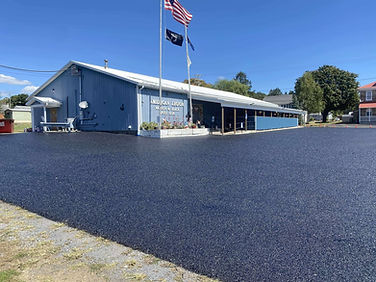
Premium asphalt-based sealer is valued for a different kind of finish: a rich, deep black appearance that resembles freshly paved asphalt. Instead of masking the character of the pavement with a flat coating, it helps bring back the darker, well-maintained look property owners want from their driveway or parking lot.
That curb appeal has real value. A faded driveway can make an otherwise well-kept home look neglected, while a gray, worn parking area can affect how customers view a business before they walk through the door. The best result is not an artificially dark surface for a few weeks. It is pavement that looks cared for because it is receiving meaningful protection.
Pennsylvania Weather Changes the Equation
Central Pennsylvania asphalt deals with more than sunshine and occasional rain. Freeze-thaw cycles push water into small openings and expand them into larger cracks. Road salt, snow removal, spring moisture, summer heat, and UV exposure all add to the stress. Once asphalt dries out and becomes brittle, it is more vulnerable to cracking and surface loss.
That is why timing matters. Sealcoating or rejuvenating is most effective as preventive maintenance, before the driveway is covered with wide cracks, deep depressions, or crumbling edges. Waiting until the pavement is severely deteriorated can turn an affordable maintenance decision into a larger repair or replacement decision.
For property owners in Blair, Bedford, and Centre Counties, a material that supports long-term asphalt preservation is especially valuable. The goal is not to pretend a worn-out surface is new. The goal is to protect a serviceable surface so it stays serviceable longer, looks better while it does, and resists the conditions that accelerate deterioration.
Durability Depends on Preparation and Product Quality
No sealer performs well over dirt, loose debris, standing moisture, failed pavement, or improperly repaired cracks. Surface preparation is not an extra step - it is part of the job. The pavement needs to be evaluated, cleaned, and given appropriate attention before material is applied.
Product quality matters just as much. A bargain coating can make a driveway appear darker for a short time, but appearance alone is not a measure of performance. Thin, surface-only treatments may wear unevenly or leave an unattractive finish. They also may do little to address the dry, oxidized condition that makes older asphalt more susceptible to damage.
A professional application of premium asphalt-based rejuvenating sealer is designed around preservation. It helps protect the pavement from moisture and weather exposure while restoring a deep black, freshly paved appearance. The finish is a benefit, but it is not the whole purpose of the service.
Which Option Is Better for Your Property?
For most homeowners, asphalt-based rejuvenating sealer is the stronger long-term choice when the driveway is in maintainable condition. It is especially well suited to pavement that has faded, lost its rich black color, or begun to show the dry look that comes with oxidation. Rather than treating the driveway as a surface to cover, it treats it as asphalt worth preserving.
For commercial properties, the answer may depend on traffic patterns and use. Areas exposed to routine fuel or oil spills deserve a closer look. Yet commercial owners should still consider the overall condition of the pavement, the desired appearance, seasonal exposure, and whether the chosen material helps support a proactive maintenance plan.
The most useful question is not simply, “Which sealer is darker?” Ask which material fits the pavement you have, the conditions it faces, and the value you want to protect. A well-maintained asphalt surface can often deliver years of additional service, but only if it receives care before damage becomes extensive.
Protect Asphalt Before It Becomes a Bigger Project
A professional assessment can show whether your pavement is a good candidate for sealing or rejuvenation, or whether cracks and other issues should be handled first. Cove Asphalt Sealing uses a premium asphalt-based rejuvenating sealer for homeowners and commercial property owners who want more than an ordinary topcoat: stronger surface protection, longer-lasting pavement value, and a deep black finish with a fresh-paved sheen.
If your driveway or parking area is starting to fade, dry out, or show early signs of weathering, this is the right time to act. Protecting sound asphalt now is usually simpler and more cost-effective than waiting for water, oxidation, and winter weather to create a much larger problem.
Comments