The Best Ways to Prevent Driveway Cracks
- Jul 15
- 5 min read
A driveway rarely fails all at once. It starts with a faint line near the edge, a spot that stays damp after rain, or asphalt that has turned gray and brittle after a few central Pennsylvania winters. The best ways to prevent driveway cracks are not complicated, but they do require acting before water, sun, salt, and traffic turn minor surface wear into expensive damage.
For homeowners and commercial property owners, the goal is not simply to make asphalt look darker for a season. It is to keep the pavement flexible, protected, and able to shed water. A driveway with a deep black, freshly paved sheen is a welcome result, but the real value is preserving the asphalt underneath.
Why Asphalt Driveways Crack
Asphalt is designed to flex slightly with normal traffic and changing temperatures. Over time, though, oxidation pulls essential compounds from the surface. The pavement becomes faded, dry, and less flexible. When temperatures rise and fall, brittle asphalt is more likely to split instead of move with the ground.
Water makes that process worse. Rain and melting snow can enter even a hairline crack, soften the base beneath the asphalt, and expand during freeze-thaw cycles. Road salt, vehicle fluids, UV exposure, and repeated traffic all add stress. In central Pennsylvania, a driveway may face every one of these conditions in a single year.
Not every crack has the same cause. Long cracks may point to aging and oxidation. Edge cracking can come from weak support along the sides of the drive. A web-like pattern of connected cracks often means the base below the asphalt is no longer carrying weight as it should. Surface protection helps preserve sound pavement, but it cannot correct a failed base. Knowing the difference helps property owners spend money in the right place.
Keep Water Off and Out of the Pavement
The first priority is drainage. Water should move away from the driveway rather than collect at the edges, in low spots, or against the garage. If puddles remain long after a normal rain, the surface deserves attention before the water finds its way into seams and cracks.
Keep gutters, downspouts, and nearby drainage paths from directing water onto the asphalt. Downspout extensions can make a practical difference when roof runoff repeatedly lands in one area. Also watch the driveway edges. Soil, mulch, or grass built up above the asphalt edge can trap moisture and reduce drainage instead of allowing water to run off.
Snow removal matters, too. Use care around edges and avoid repeatedly striking the pavement with metal equipment. A small damaged edge gives water an easy path beneath the surface, where deterioration becomes harder to see and more costly to address.
Repair Small Cracks Before They Spread
A narrow crack is an opening, not a cosmetic issue. Once water gets in, seasonal movement can widen it quickly. Prompt crack repair keeps moisture from reaching the base and helps preserve the surrounding asphalt.
The right repair depends on the crack. Isolated surface cracks in otherwise stable pavement are generally good candidates for timely sealing or filling. Wider, deep, or heavily interconnected cracks may need a more thorough evaluation because they can signal movement below the asphalt. Covering a serious structural problem without addressing its cause may improve appearance temporarily, but it will not stop the underlying failure.
Do not wait until cracks are large enough to notice from the street. Inspect the driveway in spring and fall, especially after winter weather. Pay close attention to areas near garage entrances, turning zones, drainage paths, and driveway edges, since those locations often take the most stress.
Protect Asphalt Before It Turns Gray and Brittle
This is where preventive maintenance has the greatest payoff. Asphalt that still has a solid surface and limited cracking is far easier to preserve than pavement that has already begun to unravel. The timing depends on the driveway's age, condition, traffic, drainage, and prior maintenance, but waiting until the asphalt looks severely faded is usually waiting too long.
Ordinary water-based sealers mainly create a surface coating. They can change the color, but they may leave a dull black appearance and can sometimes show blue, brown, or white hues. More importantly, a surface-only approach does not provide the same restorative benefit as a quality asphalt-based material designed to penetrate the pavement.
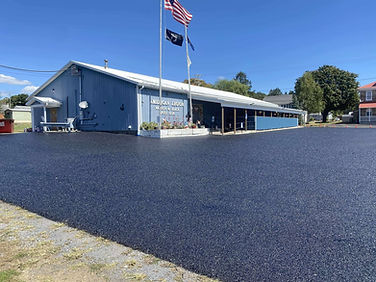
A premium asphalt-based rejuvenating sealer penetrates the asphalt surface and helps restore compounds lost through aging and oxidation. That added conditioning helps maintain flexibility while creating a deep black finish with a fresh paved sheen. It also provides a protective barrier against UV exposure, water intrusion, road salt, fuel spills, and surface unraveling.
For a sound driveway, that difference matters. The purpose is not to hide problems under a coating. It is to preserve the pavement before normal weathering turns into cracking and larger repairs.
Manage Vehicle Weight and Repeated Stress
Even a well-maintained driveway has limits. Heavy trucks, trailers, dumpsters, or construction equipment can leave depressions and cracks, particularly during hot weather when asphalt softens. If possible, keep heavy vehicles away from the driveway edges, where the pavement has less lateral support.
Parking in the exact same spot every day can also concentrate stress. This is especially noticeable near the end of a driveway or in a tight turning area. Varying parking positions when practical and avoiding sharp turns while stopped can reduce scuffing and surface stress.
Commercial properties should pay close attention to traffic patterns. A parking area may look sound overall while loading zones, entrances, and frequent turning paths wear much faster. Targeted inspections allow managers to address vulnerable areas before cracks affect a larger section of pavement.
Take Care of Driveway Edges
Driveway edges are easy to overlook because they receive less direct traffic than the center. Yet they are often where damage begins. Asphalt without adequate edge support can crack when vehicles pull too far over, when water softens the adjacent ground, or when freeze-thaw movement affects the shoulder.
Keep vehicles on the paved surface and avoid using the edge as a regular parking area. Maintain a clean transition between the asphalt and surrounding ground so water does not sit against the pavement. If an edge is crumbling or broken, address it promptly rather than allowing the damage to work inward.
Choose Maintenance Based on Condition, Not Just Appearance
A black driveway can look good while hiding issues, and a faded driveway may still be structurally sound enough for preservation. That is why a professional assessment should consider more than color. The condition of cracks, drainage, edges, traffic areas, and the overall surface determines whether rejuvenating sealing is the right next step.
For asphalt that is stable but dry, faded, and beginning to lose flexibility, premium rejuvenation can be a smart investment in longer service life and curb appeal. For pavement with major alligator cracking, deep settlement, or widespread base failure, preservation alone may not be enough. A straightforward recommendation is more valuable than applying material where it cannot deliver the result a property owner expects.
Cove Asphalt Sealing helps homeowners and commercial property owners across central Pennsylvania protect serviceable asphalt with a premium penetrating asphalt-based rejuvenating sealer, not an ordinary surface-only coating. The goal is practical: help sound pavement resist the conditions that cause cracking while restoring the clean, deep black appearance people expect from a well-kept property.
A Better Routine for Preventing Driveway Cracks
The best driveway care plan is consistent, not complicated. Watch for standing water, keep edges clear, repair small cracks early, limit unnecessary heavy loads, and protect the asphalt while it is still in preservable condition. Those steps work together. Crack filling without drainage control is limited, and sealing without addressing active cracks is not a complete maintenance strategy.
If your driveway is fading, showing new hairline cracks, or looking rough after winter, this is the right time to assess it. Early attention can help preserve more of the pavement you already own, protect your property's appearance, and postpone the far higher cost of major asphalt replacement.
Comments