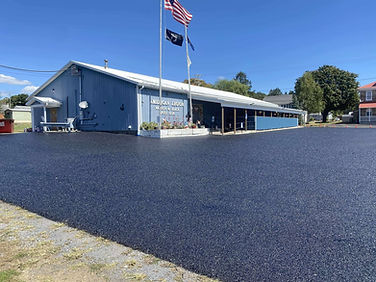
Best Time to Seal an Asphalt Driveway in PA
- Jul 13
- 5 min read
A Pennsylvania driveway can look perfectly serviceable in March and noticeably faded by late summer. That is why the best time to seal an asphalt driveway is not simply whenever the calendar has an opening. It is when the pavement is dry, temperatures are reliably warm, and the surface is still in good enough condition to benefit from preservation rather than major repair.
For most central Pennsylvania homeowners, late spring through early fall offers the best window. The exact week depends on the forecast, the driveway's condition, shade, drainage, and the sealer being applied. A quality asphalt preservation treatment needs favorable conditions to penetrate and protect the pavement properly - not a rushed application ahead of rain or a cold snap.
Best Time to Seal an Asphalt Driveway in Central Pennsylvania
The strongest sealing conditions generally arrive after spring weather settles down and continue until cooler fall temperatures become consistent. Daytime temperatures should be comfortably above 50 degrees Fahrenheit, with a dry surface and enough time for the treatment to set before rain, heavy dew, or traffic.
Late spring is often an excellent choice. Winter salt, freeze-thaw cycles, and snowplow wear are behind you, while summer sun has not had months to further dry out the asphalt. Sealing in this window helps address the faded, oxidized appearance many driveways develop after winter.
Summer can also be ideal, especially when the forecast provides a dry stretch. Warm pavement helps a premium asphalt-based rejuvenating sealer work with the existing asphalt rather than sitting on top like an ordinary surface-only coating. The result is protection that supports the pavement and a deep black finish with a fresh paved sheen.
Early fall remains a practical option when temperatures are still cooperative. It gives the driveway added protection before another season of rain, falling leaves, road salt, and freezing conditions. The trade-off is shorter days, cooler nights, and a narrower weather window. Once temperatures begin dropping consistently, it is wiser to wait than to force an application in marginal conditions.
Why Dry Weather Matters More Than a Convenient Date
A driveway may be warm one afternoon, but that does not automatically make it ready for sealing. Asphalt needs to be dry and free of standing water, heavy debris, and loose surface material. Moisture can interfere with how a treatment adheres or penetrates, particularly in shaded areas that stay damp long after the rest of the driveway has dried.
Watch the forecast, not just the current temperature. Rain before application can leave moisture in the pavement, while rain too soon afterward can disrupt the finish and curing process. Your contractor should evaluate the weather, driveway exposure, and product requirements before setting the final date.
This matters in central Pennsylvania, where a clear morning can turn into a wet afternoon and spring temperatures can swing dramatically. A professional schedule leaves room for weather changes rather than treating every dry-looking day as an application day.
Morning shade and drainage can change the answer
Two neighboring driveways can need different scheduling. A driveway under mature trees may hold dew longer, while one with poor drainage may have recurring damp spots after a storm. If water regularly collects at the edge of the pavement or near the garage, addressing the drainage issue should come before sealing.
Sealer helps defend sound asphalt from water intrusion, but it cannot correct water that continually sits on the driveway. Taking care of that issue first protects the value of the maintenance work.
Seal Before Asphalt Becomes Brittle and Gray
Waiting until a driveway looks severely worn is a common and expensive mistake. Asphalt slowly loses the oils and binding compounds that give it flexibility. UV exposure, water, road salt, and changing temperatures accelerate that process. The first visible signs are usually fading, a dry gray cast, and small cracks around the edges or high-traffic areas.
That is the point when preservation is most valuable. A premium asphalt-based rejuvenating sealer is designed to penetrate the pavement and help restore lost compounds in aging asphalt while shielding it from continued oxidation and weather exposure. It is not the same as an ordinary water-based coating that primarily changes surface color and can leave a dull black finish or blue, brown, or white hues.
The goal is not to hide every problem under a dark layer. It is to preserve asphalt while it still has a serviceable foundation. Small cracks and localized damage should be evaluated and repaired as needed before sealing. If the pavement is extensively broken, soft, crumbling, or uneven, a sealer alone will not reverse those underlying issues.
How Long Should You Wait After New Asphalt?
A newly installed asphalt driveway needs time to cure before it is sealed. In many cases, that means waiting roughly six months to a year, though the right timing depends on the mix, weather, traffic, and installer guidance. Sealing too early can prevent the new pavement from releasing oils and curing as intended.
During that first season, keep the surface clean, avoid prolonged parking in the same spot when possible, and pay attention to drainage. Once the driveway has cured, sealing can help protect the investment before the first signs of serious oxidation appear.
Older driveways need a different assessment. If yours has never been sealed, do not assume it is too late. A specialist can examine the surface for cracking, unraveling, weak edges, and areas affected by water. In many cases, timely preparation and a penetrating rejuvenating treatment can improve both appearance and protection.
How Often Should an Asphalt Driveway Be Sealed?
There is no one schedule that fits every property. Many driveways benefit from professional evaluation every few years, but exposure makes a major difference. A wide-open driveway that receives direct afternoon sun, winter salt, and regular vehicle traffic may need attention sooner than a protected driveway with lighter use.
Rather than sealing by habit every year, look for changes in the pavement. Fading, dryness, fine cracking, rough texture, and surface unraveling are better signals than a date on the calendar. Applying the right material at the right interval is more valuable than repeatedly applying a basic coating with little restorative benefit.
Commercial surfaces deserve the same practical approach. Parking areas experience more turning traffic, fuel drips, and concentrated wear, so managers should schedule inspections before visible deterioration spreads. Preserving the asphalt early can help avoid a larger repair budget later.
Prepare the Driveway for a Better Result
Good sealing starts with preparation. The surface should be cleaned of dirt, leaves, loose gravel, and oil contamination. Vegetation growing through cracks or along edges should be removed, and cracks should be addressed where appropriate before the treatment is applied.
Plan for access as well. Move vehicles, bins, portable basketball hoops, and other items off the driveway before the crew arrives. Ask how long to keep vehicles off the surface afterward, since drying and cure times can vary with weather conditions and the material used.
A professional application should look intentional from start to finish: clean edges, consistent coverage, and a finish that improves curb appeal without treating appearance as the only goal. The deep black, fresh-paved sheen is immediate, but the real value is helping the asphalt stand up better to the weather that caused the fading in the first place.
Get the Timing and Material Right
For homeowners and property managers in Blair, Bedford, Centre, Cambria, Fulton, Mifflin, Somerset, Huntingdon, and Clearfield counties, the right sealing date is a balance of forecast, pavement condition, and material quality. Cove Asphalt Sealing evaluates those factors so the work is completed when it can deliver lasting value, not simply when it is easiest to schedule.
If your driveway is turning gray, showing early cracks, or losing its smooth black appearance, do not wait for another winter to make the decision for you. A free, no-pressure estimate can help you understand whether your asphalt is ready for preservation now or whether a short wait and a few repairs would produce the better result.
Comments