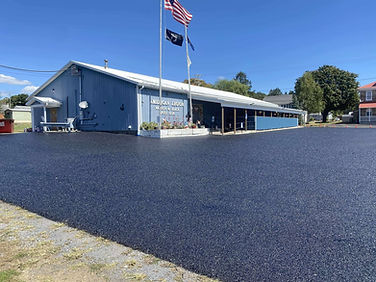
Driveway Sealcoating Bedford PA That Lasts
A Bedford driveway can look fine at the end of one summer and noticeably worn by the next spring. Sun fades the binder, rain finds small openings, winter freeze-thaw cycles work on those openings, and road salt adds another layer of stress. Quality driveway sealcoating Bedford PA homeowners can count on is not just about making asphalt black again. It is about protecting the pavement while it can still be preserved.
For most property owners, the best time to treat asphalt is before widespread cracking, loose aggregate, and brittle edges turn routine maintenance into a much larger repair decision. A properly selected sealer helps shield the surface from the weather that Bedford County driveways face year after year, while restoring the clean, dark appearance people associate with fresh asphalt.
Why Bedford Driveways Lose Their Finish
Asphalt contains binders that help hold the pavement together and keep it flexible. Over time, oxygen and ultraviolet exposure reduce those compounds. The surface begins to fade from deep black to gray, then becomes drier and more brittle. That is oxidation, and it is one of the earliest signs that a driveway needs attention.
Water makes the problem more expensive. Once it enters cracks or worn surface areas, it can weaken material below the pavement. During a Pennsylvania winter, that trapped moisture freezes and expands. Small cracks can widen, edges can begin to break down, and the surface may start to unravel.
Salt, vehicle fluids, and regular traffic contribute as well. A family driveway does not need heavy commercial traffic to show wear. Daily parking in the same areas, turning tires, plow contact, and runoff from a sloped property can all create isolated weak spots. The right maintenance plan considers the driveway's condition, drainage, age, and use rather than treating every surface exactly the same.
Driveway Sealcoating in Bedford PA Should Do More Than Cover Asphalt
Not all sealers protect asphalt in the same way. Many ordinary water-based products primarily sit on top of the pavement. They can darken a driveway initially, but the finish may be dull and can sometimes show blue, brown, or white hues as it wears. Surface-only coatings also do little to replace the compounds asphalt loses through aging.
Cove Asphalt Sealing uses a premium asphalt-based rejuvenating sealer designed to penetrate the pavement rather than simply coat its top. That difference matters on aging asphalt. The material helps restore lost compounds while providing a protective barrier against oxidation, water intrusion, UV exposure, road salt, fuel spills, and surface wear.
The visible result is a deep black finish with a fresh paved sheen. The practical result is a driveway that is better positioned to resist the drying and weather exposure that lead to premature deterioration. It is a stronger approach for homeowners who want curb appeal now without overlooking the long-term condition of the pavement underneath.
That does not mean sealer can repair every driveway. Deep alligator cracking, major low spots, crumbling sections, and base failure need to be evaluated honestly before sealing. Applying premium material over pavement that has already failed is not a substitute for correcting serious structural problems. On a sound driveway with normal aging and manageable cracking, however, sealcoating is one of the most cost-effective ways to extend useful pavement life.
When Is the Right Time to Seal a Driveway?
The best answer is usually before damage becomes obvious from the street. If your driveway has lost its rich black color, feels dry or rough in areas, or has started to develop small cracks, it may be ready for maintenance. Waiting until the surface is severely faded, brittle, and breaking apart limits what any preservation treatment can accomplish.
Weather also matters. Sealcoating needs appropriate surface and air conditions so the material can apply and cure as intended. In central Pennsylvania, the workable window generally falls during the warmer, drier parts of the year. A local specialist can assess the forecast, surface moisture, shade, and driveway condition before scheduling the work.
New asphalt is another case where timing matters. Fresh pavement needs time to cure before it is sealed. Sealing too soon can interfere with that process, while waiting too long leaves asphalt exposed to unnecessary oxidation. The appropriate schedule depends on the pavement and conditions, so a professional assessment is more useful than a one-size-fits-all date.
What Professional Preparation Changes
The quality of a sealcoating job is determined well before the sealer is applied. Dirt, leaves, loose debris, and surface contaminants can prevent even coverage and reduce how well the material performs. Preparation begins with a careful review of the pavement, followed by thorough cleaning so the rejuvenating sealer can contact the asphalt properly.
Cracks and problem areas should be addressed as part of the maintenance plan when appropriate. This is especially valuable around driveway edges, near garage approaches, and where water tends to collect. Sealing an unprepared surface may create a quick color change, but it does not deliver the same level of protection or finished appearance.
Application technique matters, too. A driveway should receive consistent coverage without missed areas, heavy puddling, or thin spots that wear unevenly. The goal is a uniform black finish that looks professional from the curb and protects the surface across its full usable area.
The Long-Term Value of Asphalt Preservation
Replacing a driveway is disruptive and costly. Preservation cannot prevent every future issue, but regular maintenance can slow the chain reaction that often leads to replacement: oxidation, brittleness, cracking, water entry, and surface breakdown. That makes sealcoating a practical investment for homeowners who intend to stay in their homes and for owners preparing a property to make a better first impression.
A well-maintained driveway also changes how the entire property looks. Faded, gray asphalt can make a cared-for home appear neglected. A deep black driveway with a fresh paved sheen sharpens the appearance of landscaping, siding, walkways, and garage doors without changing anything else on the property.
For commercial properties, the same principle applies. A clean, protected asphalt surface supports a more professional appearance for customers, tenants, and visitors. The proper maintenance approach depends on traffic levels and pavement condition, but preserving asphalt before major wear develops is generally the smarter financial move.
A Local Approach for Bedford County Properties
Bedford County properties often have conditions that deserve a closer look: long driveways, shaded areas that stay damp, steep grades, runoff patterns, and winter exposure. There is no benefit in selling the same treatment as a solution for every surface. A useful estimate starts with the current condition of the asphalt and a clear explanation of what sealing can reasonably accomplish.
Homeowners and property managers across Bedford County, as well as Blair and Centre counties, deserve a straightforward recommendation, quality material, and a finish that does not look like an ordinary coating. The goal is to preserve usable asphalt, improve curb appeal, and help prevent small surface concerns from becoming bigger ones.
If your driveway is fading, showing early cracks, or simply no longer has the appearance it once did, arrange a free, no-pressure estimate before another Bedford County winter adds to the wear. A timely inspection can help you decide whether premium asphalt rejuvenation is the right next step for your property.
Comments