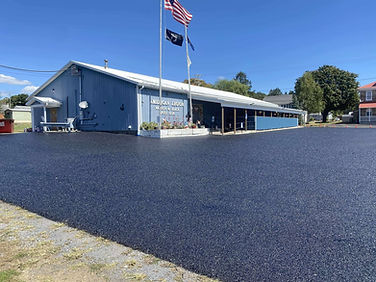
How to Seal Blacktop Driveway the Right Way
- Jul 1
- 6 min read
A blacktop driveway usually tells you when it needs attention. The rich black color fades to gray, small cracks start showing up, and the surface begins to look dry and tired instead of tight and protected. If you are wondering how to seal blacktop driveway surfaces properly, the real goal is not just making it look darker for a few months. It is protecting the asphalt from oxidation, water intrusion, UV exposure, road salt, and the slow breakdown that leads to costly repairs.
That is where many homeowners get mixed messages. Some people talk about sealing as if any product brushed across the top will do the job. In reality, the material matters just as much as the application. A surface-only coating can improve color for a while, but better asphalt protection comes from a sealer that penetrates and helps restore what aging pavement has lost.
How to seal blacktop driveway surfaces without wasting money
The first step is knowing whether your driveway is ready for sealing at all. Brand-new asphalt should not usually be sealed right away. Fresh pavement needs time to cure, and sealing too early can trap oils that should evaporate naturally. On the other hand, older asphalt that has gone too long without protection may already have cracking, edge wear, and surface unraveling that sealing alone will not fix.
For most residential driveways, the best time to seal is when the pavement is structurally sound but starting to show oxidation and fading. That is the sweet spot. At that stage, sealing helps preserve the surface before water and weather do more damage.
Preparation is the part many people rush, and it is one of the biggest reasons DIY sealing jobs fail. The driveway has to be clean, dry, and free of loose debris, dirt, and vegetation. Oil spots need special attention because sealer does not bond well to contaminated areas. If cracks are present, they should be evaluated and filled where appropriate before any sealer is applied. Sealing over dirt, active weeds, or neglected cracks does not protect the pavement. It just hides problems briefly.
The process matters, but the product matters more
If you are looking up how to seal blacktop driveway areas on your own, you will usually find advice centered on squeegees, brushes, and dry weather. That guidance is fine as far as it goes. You do need favorable temperatures, no rain in the forecast, and enough cure time before traffic returns to the surface. But application technique is only half the story.
Ordinary water-based sealers often sit on top of the pavement and create a flatter, duller look. In some cases, they can leave behind finishes with blue, brown, or whitish tones instead of the richer black most homeowners actually want. More importantly, that type of coating does less to replenish aging asphalt.
A premium asphalt-based rejuvenating sealer works differently. Instead of simply covering the surface, it penetrates the pavement and helps restore lost compounds in older asphalt. That gives you a deeper level of protection against drying, brittleness, cracking, and weather exposure, while also bringing back a deep black finish with more of a fresh paved sheen.
For a homeowner, that difference shows up in practical ways. The driveway looks better, but it also tends to stay in better condition longer. That is the point of asphalt maintenance - reducing the rate of deterioration so replacement can be pushed further down the road.
What a proper sealing job should include
A good sealing job starts with a close look at the surface condition. Minor cracking may be manageable as part of a maintenance plan, but widespread damage, severe alligator cracking, or failing edges can mean the driveway needs repairs before sealing makes sense. Honest asphalt contractors will tell you that. Sealing is preventive maintenance, not a cure-all.
After inspection, the surface should be cleaned thoroughly and any needed crack treatment should be addressed. Once the driveway is dry and weather conditions are right, the sealer is applied evenly to avoid heavy spots, thin spots, or roller marks. The finished surface should look uniform, clean, and intentionally restored, not blotchy or painted over.
Cure time matters too. Even a well-applied sealer needs time before vehicles return to the driveway. Rushing that step can scuff the surface and reduce the quality of the finished result.
DIY vs professional driveway sealing
There is nothing wrong with homeowners wanting to save money, and some do-it-yourself projects turn out reasonably well. But blacktop sealing is one of those jobs where the difference between a quick cosmetic coat and real asphalt preservation can be significant.
A DIY approach often relies on store-bought products that are easy to find but not always designed for the best long-term performance. Homeowners may also have trouble diagnosing whether a crack is minor surface wear or an early sign of deeper trouble. Uneven application, poor prep, and wrong timing are common issues. The driveway may look darker at first, but the protection may be short-lived.
Professional sealing is usually a better fit when the goal is long-term value, better curb appeal, and fewer avoidable repairs. A specialist can evaluate the pavement condition, use higher-quality material, and apply it in a way that is consistent across the whole surface. That is especially important if your driveway has started to fade, dry out, or show early signs of aging but is still in decent shape overall.
In central Pennsylvania, where freeze-thaw cycles, road salt, rain, and sun all work against asphalt, better material and proper timing are not small details. They are what separate maintenance that helps from maintenance that just looks good for a short while.
When to seal and how often it depends
Homeowners often want a simple timeline, but the right schedule depends on the age of the driveway, weather exposure, drainage, traffic, and the condition of the surface. A newer driveway with good drainage and limited wear may go longer between applications. An older driveway exposed to heavy sun, runoff, snow, and road salt may need attention sooner.
The best rule is not sealing by the calendar alone. Watch for fading color, a dry or brittle look, and the beginning of small cracks. Those are signs the asphalt is losing protection. If you wait until major cracking and surface breakdown are already underway, sealing will have less to work with.
That is why a condition-based approach usually makes more sense than guessing. A professional assessment can tell you whether your driveway is ready now, should wait a bit longer, or needs crack repair before sealing.
Why appearance and protection go together
Some homeowners think the visual improvement is just a bonus, but appearance can actually tell you a lot about asphalt condition. A faded gray driveway is not only less attractive. It is often a surface that has been oxidizing and drying out over time. Bringing back a deep black finish is about curb appeal, but it also reflects that the pavement has been treated to help resist further weathering.
That is one reason premium rejuvenating sealer stands apart from ordinary coatings. The finish looks richer and closer to fresh pavement, while the protection goes beyond the top layer. You are not just changing the color. You are helping the surface hold up better.
For property owners in areas like Blair County, Bedford County, and Centre County, that kind of preventive maintenance can make a real difference over the life of a driveway or parking area. Cove Asphalt Sealing works across central Pennsylvania with a focus on asphalt preservation, not just temporary surface color.
The right way to think about driveway sealing
If you strip away the marketing, how to seal blacktop driveway surfaces comes down to three things. Seal at the right stage, prepare the surface correctly, and use a material that does more than sit on top. Miss any one of those, and the results can fall short.
Homeowners usually feel the difference later, not the same day. A better sealing job helps the driveway resist cracking, water damage, oxidation, and seasonal wear more effectively. It also gives the surface that darker, cleaner, freshly paved look that improves the whole property.
If your driveway is fading, drying out, or starting to show age, that is usually the time to act before the damage becomes more expensive. A good sealing job should do more than make asphalt look black again. It should help it last.
Comments