How to Prevent Asphalt Oxidation
A driveway does not go from fresh black to gray and brittle overnight. It happens slowly, season after season, as sun, air, water, salt, and traffic pull essential oils out of the asphalt. If you are wondering how to prevent asphalt oxidation, the short answer is this: protect the surface early, use the right material, and do not wait for visible cracking before taking action.
That matters in central Pennsylvania, where asphalt has to handle UV exposure, freeze-thaw cycles, rain, snow, road salt, and daily wear. Once oxidation takes hold, pavement starts losing flexibility. It dries out, fades, and becomes more likely to crack, ravel, and let water in. Preventing that process is almost always more affordable than dealing with repairs later.
What causes asphalt oxidation?
Asphalt contains binders and oils that help keep the pavement flexible and durable. Oxidation happens when oxygen and sunlight break those compounds down over time. The surface becomes faded, dry, and harder than it should be. That harder surface may sound stronger, but it is actually more prone to stress damage.
This is why older untreated asphalt often turns light gray and starts showing fine surface cracks. Add water intrusion, winter salt, fuel drips, and hot summer sun, and the aging process speeds up. Driveways and parking lots do not need to be heavily damaged to be oxidized. In many cases, the warning signs show up long before major cracks appear.
How to prevent asphalt oxidation before damage starts
The best way to prevent oxidation is to treat asphalt as a surface that needs preservation, not something you ignore until it fails. Newer pavement still needs time to cure, but after that window, regular protection becomes one of the smartest maintenance decisions a property owner can make.
A good preservation plan starts with clean pavement, proper timing, and a quality sealer that does more than sit on top. This is where material choice matters. Ordinary surface coatings can improve color for a while, but they do not all deliver the same level of long-term protection. Some water-based products leave a flatter, duller black and may even show off-color hues. That cosmetic result is one issue. The bigger issue is performance.
A premium asphalt-based rejuvenating sealer is designed to penetrate the pavement and help restore lost compounds in aging asphalt while protecting against UV exposure, oxidation, water, salt, and spills. That difference matters because oxidation is not just a surface appearance problem. It is a material breakdown problem.
Why the right sealer makes a big difference
If you are serious about how to prevent asphalt oxidation, not all sealing methods should be treated as equal. Some products mainly create a surface film. Others are built to penetrate and rejuvenate the asphalt itself.
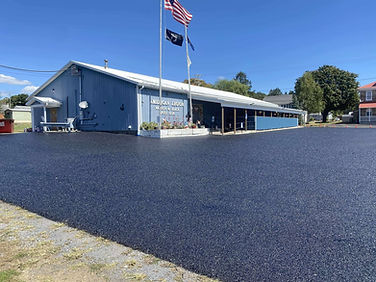
That distinction affects both appearance and protection. A better asphalt-based rejuvenating sealer helps asphalt stay healthier longer because it supports the pavement rather than simply covering it up. It also gives the surface a deeper black color with more of a fresh paved sheen instead of the dull finish many property owners associate with basic sealcoating.
For homeowners, that means better curb appeal and better long-term value. For commercial properties, it means a cleaner-looking lot and stronger surface protection without waiting until deterioration becomes obvious. In both cases, the goal is the same - slow aging before it becomes structural damage.
Timing matters more than most people think
One of the most common mistakes is waiting too long. If asphalt already has widespread cracking, crumbling edges, or surface unraveling, sealing alone is not a cure-all. Preservation works best when the pavement still has solid structure and only needs protection from ongoing exposure.
That is why routine maintenance beats delayed maintenance almost every time. Oxidation starts long before many property owners notice it. The surface may simply look faded at first. Then it becomes dry. Then small cracks begin. By that point, the pavement has already been losing flexibility for a while.
The exact timing depends on pavement age, traffic, weather exposure, drainage, and prior maintenance. A shaded residential driveway may age differently than a busy parking area that sees all-day sun and constant vehicle traffic. There is no one-size-fits-all schedule, but there is a clear pattern: earlier protection usually gives better results than waiting for visible damage.
Other ways to slow oxidation and extend asphalt life
Sealing is a major part of asphalt preservation, but it works best as part of a broader maintenance approach. Keeping the surface clean helps reduce long-term damage from debris, standing moisture, and chemical exposure. Oil and fuel spills should be cleaned up promptly, especially in parking areas or spots where vehicles sit for long periods.
Water management matters too. If water is consistently pooling on the asphalt, that can increase wear and worsen weak spots over time. The same goes for snow and ice management. In Pennsylvania, winter conditions are tough on pavement, and repeated freeze-thaw cycles can turn small issues into bigger ones faster than expected.
Traffic also plays a role. Sharp turning movements, heavy loads, and repeated stress in the same areas can accelerate wear. You cannot eliminate normal use, of course, but understanding how your driveway or lot is used helps explain why one section may age faster than another.
Signs your asphalt may already be oxidizing
Fading color is usually the first clue. Fresh asphalt has a rich black appearance, while oxidized asphalt starts turning gray. After that, the surface may feel dry or look slightly rougher. Hairline cracking can follow, especially in areas exposed to direct sun or winter stress.
If you notice the surface losing its dark color and developing a tired, weathered look, that is often the point where preservation should be on your radar. Waiting until the cracks spread usually means you are no longer just preventing oxidation - you are trying to manage the damage oxidation has already helped create.
Local conditions in central Pennsylvania make prevention even more important
In this region, asphalt deals with more than just summer sun. It also faces snow, road salt, temperature swings, rain, and freeze-thaw movement. Those conditions can be hard on untreated pavement, especially when oxidation has already dried the surface out.
That is one reason many homeowners and property managers in Blair County, Bedford County, and Centre County take asphalt preservation seriously. Local conditions reward proactive maintenance. If you are comparing options for driveway protection or lot maintenance in those areas, it helps to work with a specialist who understands how Pennsylvania weather affects asphalt and uses materials built for better long-term performance.
A better approach than ordinary sealcoating
There is a difference between making asphalt look darker for a while and helping protect it from ongoing deterioration. Property owners often assume all sealers do roughly the same job. They do not.
A premium asphalt-based rejuvenating sealer is a stronger fit for aging asphalt because it is designed to penetrate, restore, and protect rather than just create a top layer. That can make a real difference in how the surface holds up over time, especially when the goal is to reduce oxidation, slow cracking, and preserve a cleaner, freshly paved appearance.
For homeowners, the value is easy to understand. A driveway is one of the first things people see, and replacement is expensive. For commercial properties, appearance and protection both matter. A lot that looks maintained sends a better message and can help reduce the chance of larger surface issues developing too soon.
Across central Pennsylvania, including Blair County, Bedford County, and Centre County, property owners looking for longer-lasting asphalt protection often want more than a basic coating. They want a better finish, better material, and a smarter way to preserve their pavement before replacement becomes the only option.
If your asphalt is starting to fade, dry out, or lose that fresh black look, this is usually the right time to act. Oxidation rarely improves on its own. A well-timed preservation treatment can help protect the surface, improve appearance, and give your driveway or parking lot a better chance to age the right way. A free, no-pressure estimate is a practical next step when you want to protect what you already have instead of paying more for repairs later.
Comments