How Asphalt Rejuvenating Sealer Penetrates
- Jun 27
- 6 min read
If your driveway looks gray, dry, and worn out, the problem is not just the color on top. The real issue is that the asphalt has been losing the oils and flexibility that help it stay strong. That is exactly why understanding how asphalt rejuvenating sealer penetrates matters. A true rejuvenating treatment does more than sit on the surface. It works down into the pavement, where aging starts.
For homeowners and property managers in central Pennsylvania, that difference is a big deal. Freeze-thaw cycles, UV exposure, road salt, rain, and daily traffic all wear asphalt down over time. Once the surface starts drying out, it becomes more brittle. Brittle asphalt is far more likely to crack, let in water, and begin a more expensive cycle of deterioration.
How asphalt rejuvenating sealer penetrates the surface
Asphalt is not a perfectly solid slab. Even when it looks dense, it has tiny surface voids and pores. As pavement ages, oxidation dries it out and opens the door to more damage. A premium asphalt-based rejuvenating sealer is designed to soak into those pores instead of just forming a skin across the top.
That penetration happens because the material is formulated to be absorbed into the upper layer of the asphalt. Rather than acting like paint, it moves into the weathered surface and helps replace some of the essential compounds that time and exposure have stripped away. This is the key difference between a rejuvenating treatment and an ordinary coating that mainly changes appearance.
When the material penetrates properly, the pavement can regain some of the flexibility that dry asphalt has lost. That does not mean it makes old asphalt brand new again. It does mean it can help slow further aging, reduce brittleness, and improve how the surface stands up to the elements.
Why penetration matters more than a surface-only coating
A lot of people assume all sealers work the same way because they all make asphalt look darker at first. That is where the comparison can get misleading. Some products mostly stay on top and create a thin layer with a flatter, duller appearance. In many cases, water-based coatings can leave a dull black finish and sometimes even show blue, brown, or white hues as they weather.
A penetrating asphalt-based rejuvenating sealer works differently. It is meant to go into the pavement, not just cover it. That matters because the damage you are trying to prevent is not only cosmetic. Oxidation, moisture intrusion, and loss of flexibility happen within the surface layer of the asphalt itself.
When protection stays only at the top, it can offer a cosmetic refresh but less real restoration. When protection penetrates, it has a better chance of helping the pavement hold onto strength and resist the drying and cracking cycle that shortens driveway life.
What helps a rejuvenating sealer soak in
Penetration is not automatic. The condition of the pavement and the timing of the application both matter.
The asphalt needs to be clean and dry so the material can reach the pores of the surface. Dirt, dust, standing moisture, and contamination can interfere with absorption. Oil spots and fuel exposure can also affect how evenly the treatment takes. That is one reason professional surface prep matters. A premium product can only perform well if it is applied to a properly prepared surface.
The age and porosity of the asphalt also play a role. Newer pavement that has begun to weather is often an ideal candidate because it is starting to lose some of its original compounds but has not yet broken down too far. Very far gone asphalt with major cracking, base failure, or severe structural damage may need repairs before any sealer can make sense. Rejuvenation is preventive maintenance, not a cure for pavement that is already at the end of its life.
Temperature matters too. Asphalt and air conditions affect how the material flows and absorbs. If the pavement is too cold, too wet, or otherwise outside the right application window, penetration can be reduced. That is another reason results vary between a careful professional application and a quick, one-size-fits-all approach.
The role of pavement condition
There is a sweet spot with asphalt maintenance. If you treat pavement while it is aging but still fundamentally sound, a penetrating rejuvenating sealer can deliver much better value. If you wait until the driveway is heavily cracked, crumbling, or unraveling, you are asking a preservation product to solve a repair problem.
That is why property owners who want the best long-term results usually act before the surface looks beyond saving. The earlier you protect asphalt, the more pavement there is left to protect.
What the sealer is actually doing inside the asphalt
As asphalt ages, it loses lighter oils and becomes more oxidized. That process leaves the pavement stiffer and more vulnerable. A rejuvenating sealer is designed to restore some of what has been lost while adding protection against future exposure.
Inside the upper surface, the treatment helps condition the weathered asphalt. Think of it less like wrapping the driveway in a shell and more like feeding a dry material that has started to lose its resilience. The result is a surface that is better equipped to resist water intrusion, UV damage, road salt, fuel drips, and ongoing oxidation.
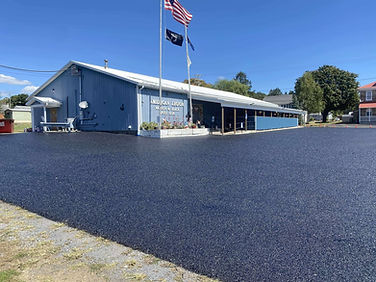
This is also why the finish tends to look better. When the material penetrates and conditions the pavement, the final appearance is not just a superficial color change. It produces a deeper black look with more of a fresh paved sheen, which is what many homeowners actually want when they invest in asphalt maintenance.
How this helps driveways and parking lots last longer
Longer pavement life usually comes down to one thing - slowing down the damage before it turns into repairs. Once water gets into cracks and surface voids, especially in Pennsylvania winters, deterioration speeds up fast. Freeze-thaw expansion, salt, and repeated wetting and drying can turn minor wear into major cracking.
A penetrating rejuvenating sealer helps by protecting the asphalt at the surface layer where that wear begins. It can reduce how quickly the pavement dries out, help limit water intrusion, and keep the surface from becoming as brittle as untreated asphalt. That does not eliminate maintenance needs, and it does not stop all cracking forever. But it can meaningfully improve the odds that your driveway or lot stays in service longer before major work is needed.
For commercial properties, the value is practical. A parking lot that holds its condition longer looks better for customers and tenants while helping delay larger repair costs. For homeowners, it is about protecting curb appeal and avoiding premature replacement.
Why ordinary sealcoating is not the same thing
This is where many property owners get frustrated. They pay for a sealer, the driveway turns black for a while, and then the improvement feels mostly cosmetic. The reason is often simple. Not all sealers are built to penetrate and rejuvenate.
Ordinary surface coatings can make asphalt look freshly treated for a period of time, but that is not the same as helping restore lost flexibility and conditioning the pavement itself. If the product mainly sits on top, it may not address the deeper issue of aging asphalt becoming dry and brittle.
That is why a premium asphalt preservation approach stands apart from basic sealcoating. It is focused on longer-term pavement health as well as appearance. Property owners who understand that difference are usually looking for more than a quick darkening effect. They want real protection and a finish that looks closer to fresh asphalt, not a flat coating.
When a penetrating treatment makes the most sense
The best candidates are driveways and lots that are aging, faded, and starting to dry out but are still structurally sound. If your asphalt has lost its rich black color, feels rougher than it used to, or is showing early signs of oxidation, that is often the right time to act.
If you are in Blair County, Bedford County, or Centre County, local weather can be especially hard on asphalt. Seasonal temperature swings and winter exposure make preventive treatment a smart move before cracking spreads. Homeowners and property managers across these areas often get the most value by addressing deterioration early rather than waiting for larger repairs.
Cove Asphalt Sealing serves central Pennsylvania with a premium asphalt-based rejuvenating sealer designed for this exact purpose. Whether the surface is a residential driveway or a commercial lot, the goal is the same - penetrate the pavement, restore protection, and deliver a deeper black finish with a fresh paved sheen.
If your asphalt still has good life left in it, the right treatment can help preserve that life. That is usually the best time to act, because protecting solid pavement is always more affordable than replacing worn-out pavement later.
Comments